1. Basic Information
- Word: 发射
- Pinyin: fā shè
- Literal Meaning: "to send out" (发) + "to shoot" (射)
- Primary Meaning: to launch, to fire, to emit, to transmit
2. In-depth Explanation
- Context and Usage:
"发射" is used when something is sent out with force or direction. In English, the closest translations depend on the object: - Launch – for rockets, missiles, satellites, spacecraft
- Fire – for guns, cannons, torpedoes, arrows
- Emit – for light, rays, radiation, heat
- Transmit – for radio signals, electromagnetic waves
This word is common in news, science, technology, and military contexts. It is somewhat formal or technical; in daily conversation, you would not normally use "发射" to talk about throwing a ball by hand. Instead, "发射" implies mechanical or powered projection, often with a specific target or direction.
- Character Breakdown:
- 发 (fā): This character means "to send out," "to issue," "to produce," or "to start." It appears in many words related to sending or producing something, such as 发送 (fā sòng, "to send") and 发电 (fā diàn, "to generate electricity").
- 射 (shè): This character means "to shoot" or "to fire." It is used in words like 射击 (shè jī, "shooting") and 射箭 (shè jiàn, "archery").
Together, "发射" literally means "to send out by shooting" – in other words, to launch or project something outward with force.
3. Example Sentences
- Chinese: 中国成功发射了一颗通信卫星。
- Pinyin: Zhōngguó chénggōng fāshè le yī kē tōngxìn wèixīng.
-
English: China successfully launched a communications satellite.
-
Chinese: 军队向目标发射了三枚导弹。
- Pinyin: Jūnduì xiàng mùbiāo fāshè le sān méi dǎodàn.
-
English: The military fired three missiles at the target.
-
Chinese: 这个设备可以发射无线电信号。
- Pinyin: Zhège shèbèi kěyǐ fāshè wúxiàndiàn xìnhào.
- English: This device can transmit radio signals.
Cultural Notes
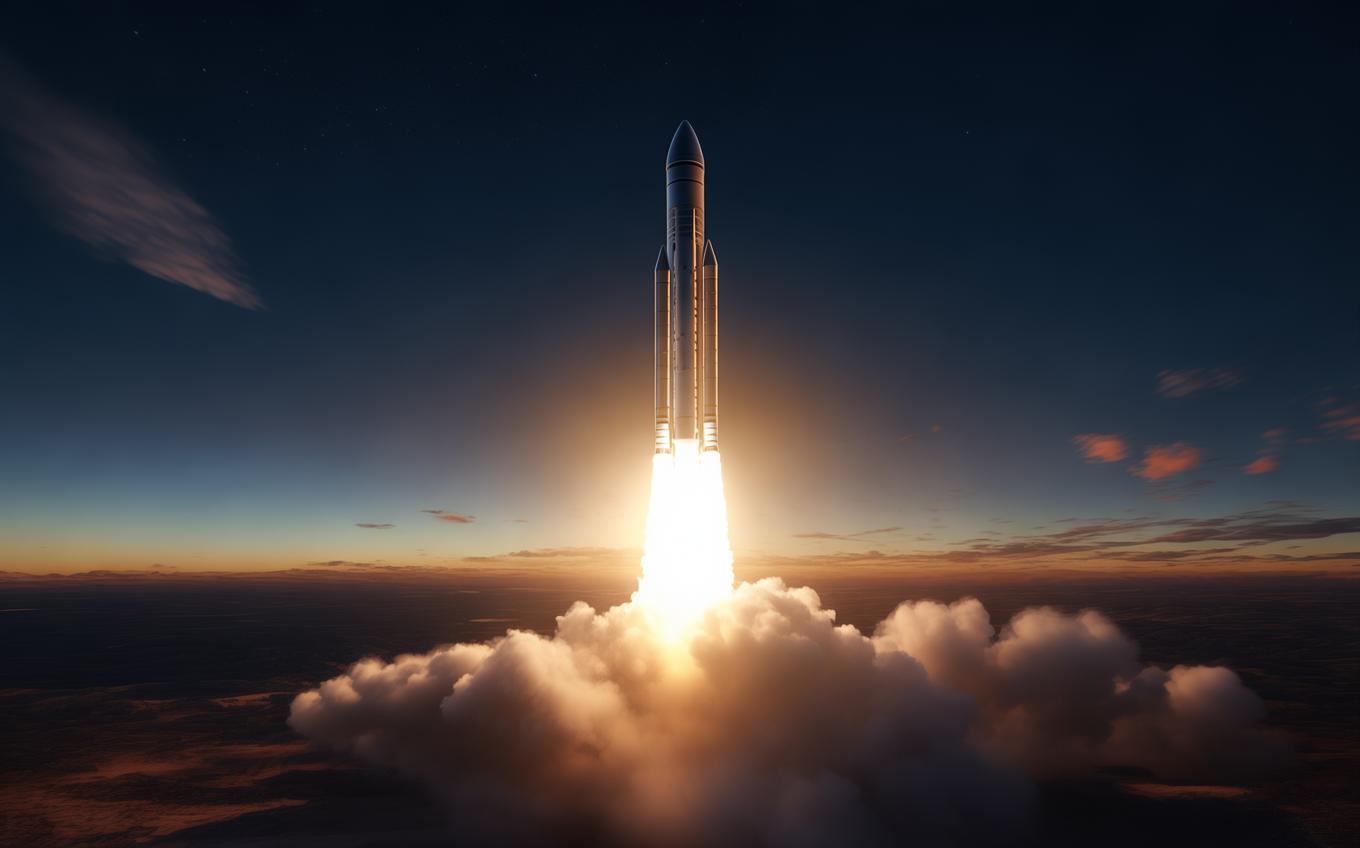
In modern Chinese media, "发射" is frequently associated with China's space program. Phrases like "火箭发射" (huǒjiàn fāshè, "rocket launch") and "卫星发射中心" (wèixīng fāshè zhōngxīn, "satellite launch center") are common in news reports. The word carries a sense of national achievement and technological progress. Additionally, in Chinese science fiction and popular science writing, "发射" is the standard verb for launching anything from missiles to fictional spacecraft, making it a key word for learners interested in space, technology, or military topics.
Conclusion
To remember "发射" (fā shè), think of "sending out with force." Use it for rockets, satellites, missiles, bullets, signals, and rays. It is the go-to verb whenever something is actively launched, fired, or transmitted. Learning this word will help you understand a wide range of news, science, and technology content in Chinese.
Sources and Further Reading
Dictionary links are provided for independent reference. Example sentences and learning notes on this page are educational explanations rather than dictionary quotations.



Comments (0)
No comments yet. Be the first to comment!