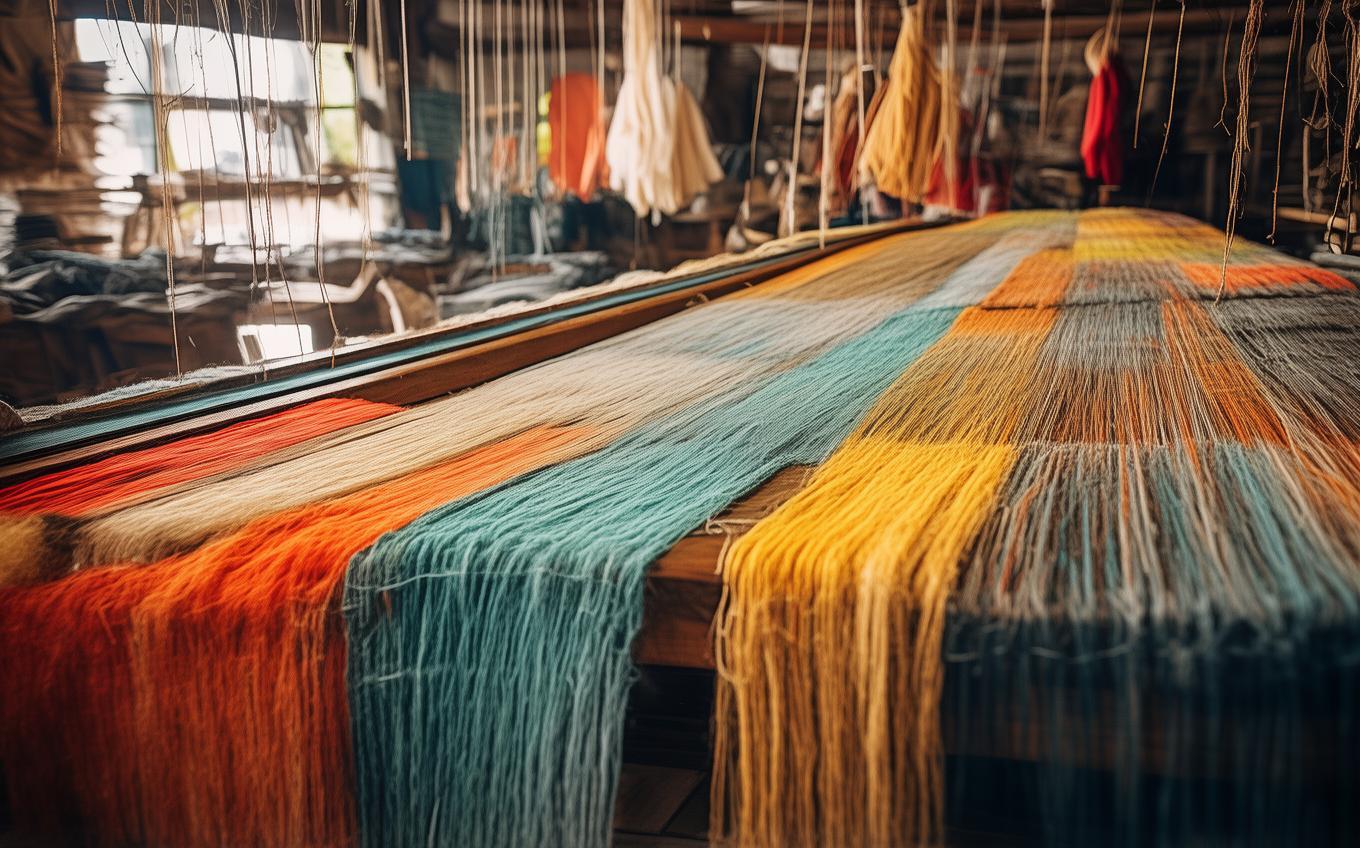
Understanding "纺织" - Chinese Word Explanation
1. Basic Information
- Word: 纺织
- Pinyin: fǎngzhī
- Literal Meaning: “spinning and weaving”
- Primary Meaning: textile; textile manufacturing; the process or industry of spinning fibers into yarn and weaving yarn into fabric
2. In-depth Explanation
- Context and Usage:
“纺织” is most often used in formal or industrial contexts to refer to the textile industry, textile production, or anything related to making cloth. It can function as a noun meaning “textile” or as a verb phrase meaning “to spin and weave.” In everyday speech, you will usually encounter it in compound words such as: - 纺织业 – textile industry
- 纺织品 – textile products
- 纺织厂 – textile factory/mill
- 纺织工人 – textile worker
The word carries a slightly technical or industrial tone. If you want to talk casually about “cloth” or “fabric,” you would more often use “布” (bù) or “布料” (bùliào). However, when the topic is manufacturing, economics, trade, or large-scale production, “纺织” is the appropriate term.
- Character Breakdown:
“纺织” is a two-character compound. - 纺 (fǎng) – This character means “to spin,” referring to the process of twisting fibers such as cotton, wool, or silk into thread or yarn. Its left side is the silk radical “纟” (mì/sī), which often appears in characters related to silk, thread, or textiles. The right side “方” (fāng) gives a phonetic hint.
- 织 (zhī) – This character means “to weave,” referring to interlacing threads or yarn to make cloth. It also contains the silk radical “纟” on the left. The right side “只” (zhǐ/zhī) contributes to the pronunciation.
Together, “纺” and “织” describe the two fundamental steps in making fabric: first spinning raw fibers into thread, then weaving the thread into cloth.
3. Example Sentences
- Chinese: 这家工厂主要生产纺织品。
- Pinyin: Zhè jiā gōngchǎng zhǔyào shēngchǎn fǎngzhīpǐn.
-
English: This factory mainly produces textile products.
-
Chinese: 中国的纺织业发展很快。
- Pinyin: Zhōngguó de fǎngzhīyè fāzhǎn hěn kuài.
-
English: China’s textile industry is developing very quickly.
-
Chinese: 她在一家纺织公司工作。
- Pinyin: Tā zài yī jiā fǎngzhī gōngsī gōngzuò.
- English: She works at a textile company.
Cultural Notes
Textile production has deep roots in Chinese civilization. Ancient China is famous for sericulture — the raising of silkworms to produce silk — and for the invention of advanced weaving techniques. The Silk Road, which connected China with Central Asia, the Middle East, and Europe, was named after the prized Chinese silk fabrics. The importance of textile work is also reflected in traditional Chinese sayings, such as “男耕女织” (nán gēng nǚ zhī), meaning “men farm, women weave,” which described the traditional division of labor in rural China. Today, China remains one of the world’s largest producers and exporters of textile products, so “纺织” is a very useful word in discussions of global trade and manufacturing.
Conclusion
Remember “纺织” as the combination of “spinning” and “weaving” — the two core actions that turn raw fibers into cloth. It is best used when talking about the textile industry, textile products, or fabric production in a formal or economic context. If you learn this word together with its common compounds like “纺织业” and “纺织品,” you will be well prepared to discuss manufacturing and trade topics in Chinese.
Sources and Further Reading
Dictionary links are provided for independent reference. Example sentences and learning notes on this page are educational explanations rather than dictionary quotations.


Comments (0)
No comments yet. Be the first to comment!