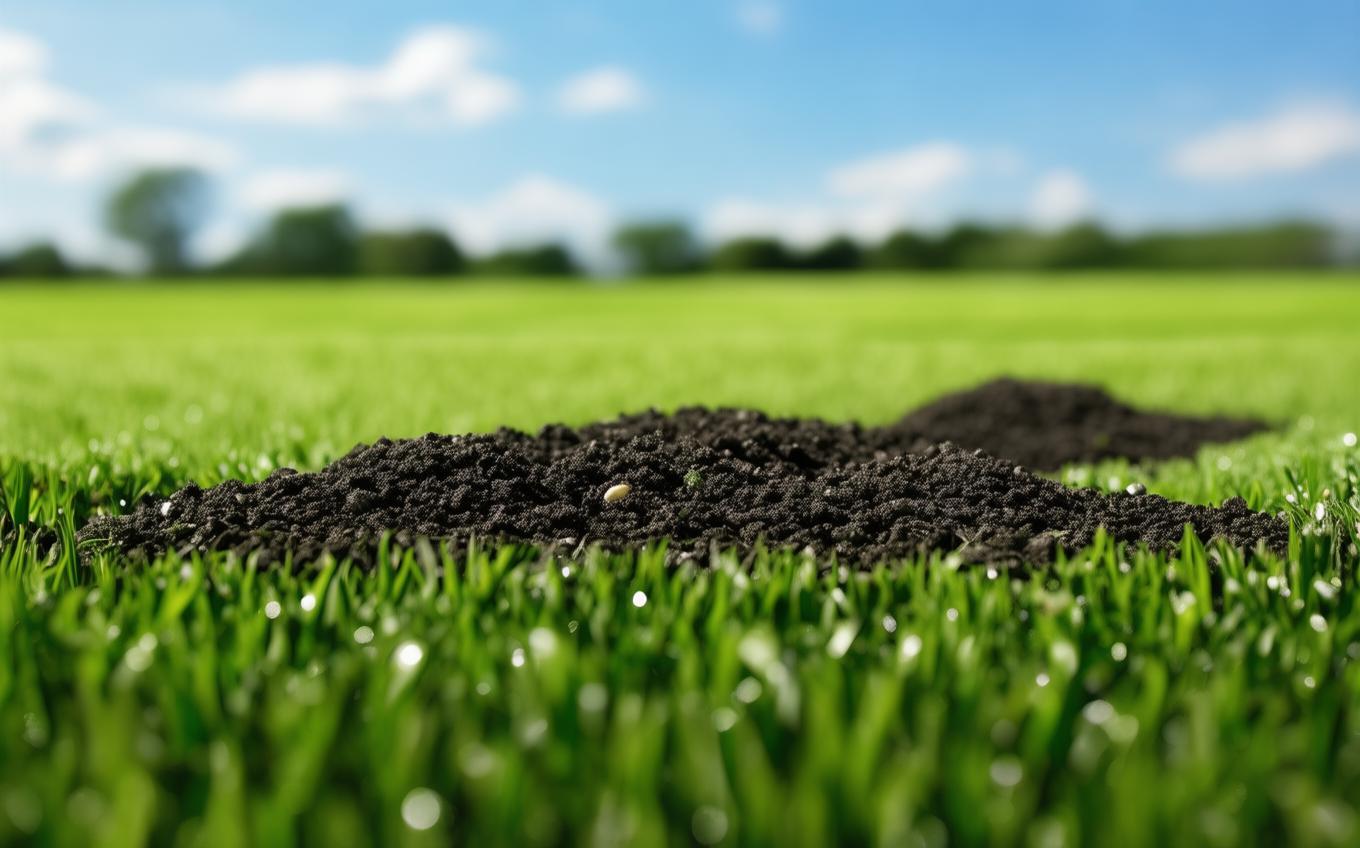
1. Basic Information
- Word: 肥料
- Pinyin: féiliào
- Literal Meaning: "fertile material" or "fertilizing material"
- Primary Meaning: fertilizer
2. In-depth Explanation
-
Context and Usage:
"肥料" is the standard Chinese word for fertilizer — any substance added to soil or plants to help them grow. It is used in both everyday conversations and formal or technical contexts, such as agriculture, gardening, and environmental science.
The word is neutral in tone and can refer to both organic fertilizer (such as compost or manure) and chemical fertilizer (such as synthetic nitrogen or phosphate products).
While "肥料" is the full, precise word, in casual spoken Chinese people sometimes use the single character "肥" (féi) to mean fertilizer, especially in farming contexts. However, "肥料" is clearer and more standard for learners. -
Character Breakdown:
- 肥 (féi): This character means "fat," "fertile," or "rich in nutrients." It can refer to fatness in people or animals, but when used in agricultural contexts, it means "fertile" or "fertilizing."
- 料 (liào): This character means "material," "stuff," or "ingredient." It is commonly used in words for raw materials, such as 材料 (cáiliào, "material") or 饮料 (yǐnliào, "beverage").
Together, 肥料 literally means "fertile material" — a material used to make soil richer and more productive.
3. Example Sentences
- Chinese: 农民正在给庄稼施肥料。
- Pinyin: Nóngmín zhèngzài gěi zhuāngjia shī féiliào.
-
English: The farmers are applying fertilizer to the crops.
-
Chinese: 这种肥料适合种花。
- Pinyin: Zhè zhǒng féiliào shìhé zhòng huā.
-
English: This kind of fertilizer is suitable for growing flowers.
-
Chinese: 过多使用化学肥料会对土壤造成伤害。
- Pinyin: Guò duō shǐyòng huàxué féiliào huì duì tǔrǎng zàochéng shānghài.
- English: Overusing chemical fertilizers can harm the soil.
Cultural Notes
China has a long agricultural history, and traditional farming relied heavily on organic fertilizers such as animal manure, compost, and plant residue. In rural areas, this type of fertilizer is often called 农家肥 (nóngjiāféi, "farmyard manure" or "farm fertilizer").
Today, with modern agriculture and environmental awareness, there is growing discussion in China about balancing chemical fertilizers with organic methods to protect soil health and food safety. The word "肥料" is therefore common not only on farms but also in news reports, school textbooks, and environmental campaigns.
Conclusion
To remember 肥料 (féiliào), think of it as "fertile material." It is the go-to word for "fertilizer" in Chinese, covering everything from natural compost to synthetic chemical products. Use it whenever you talk about helping plants grow or improving soil quality.
Sources and Further Reading
Dictionary links are provided for independent reference. Example sentences and learning notes on this page are educational explanations rather than dictionary quotations.


Comments (0)
No comments yet. Be the first to comment!