
1. Basic Information
- Word: 冰淇淋
- Pinyin: bīng qí lín
- Literal Meaning: "Ice" (冰) + "cream" (淇淋)
- Primary Meaning: Ice cream (a frozen dessert made from dairy products, sugar, and flavorings).
2. In-depth Explanation
Context and Usage
"冰淇淋" is the standard term for "ice cream" in Mandarin Chinese. It is used in both formal and informal contexts, such as in menus, advertisements, or everyday conversations. Unlike some other Chinese words, "冰淇淋" does not carry additional metaphorical meanings—it strictly refers to the dessert.
Character Breakdown
- 冰 (bīng): Means "ice." It represents the cold, frozen nature of the dessert.
- 淇淋 (qí lín): A phonetic approximation of the English word "cream." Together, the characters mimic the sound and meaning of "ice cream."
3. Example Sentences
-
Chinese: 我喜欢吃巧克力味的冰淇淋。
Pinyin: Wǒ xǐhuān chī qiǎokèlì wèi de bīngqílín.
English: I like to eat chocolate-flavored ice cream. -
Chinese: 夏天的时候,冰淇淋卖得很快。
Pinyin: Xiàtiān de shíhou, bīngqílín mài de hěn kuài.
English: In summer, ice cream sells very quickly. -
Chinese: 孩子们在公园里吃冰淇淋。
Pinyin: Háizimen zài gōngyuán lǐ chī bīngqílín.
English: The children are eating ice cream in the park.
Cultural Notes
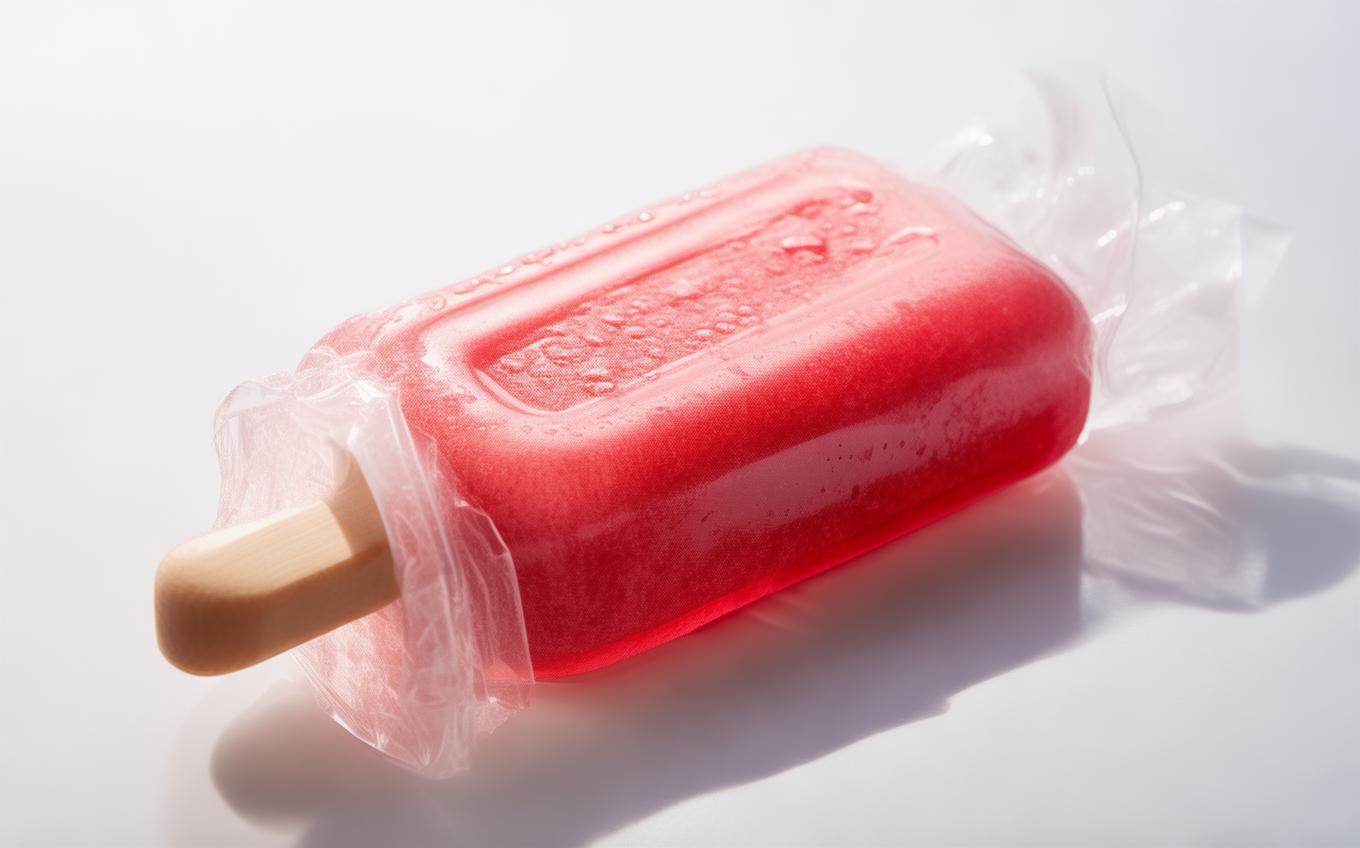
In China, ice cream is a popular treat year-round, but it is especially beloved during the hot summer months. Many convenience stores and supermarkets sell a wide variety of flavors, from traditional vanilla and chocolate to unique local flavors like red bean or green tea. Street vendors also often offer ice cream on sticks or in cones.
Interestingly, while Western-style ice cream (冰淇淋) is widespread, traditional Chinese "ice desserts" like shaved ice (刨冰, bàobīng) or sweet soups (糖水, tángshuǐ) are also popular alternatives.
Conclusion
"冰淇淋" (bīng qí lín) is the go-to word for "ice cream" in Chinese. Remember that it combines "冰" (ice) and "淇淋" (cream), making it easy to associate with the frozen treat. Use it in any context where you’d talk about ice cream in English, and enjoy exploring China’s delicious ice cream varieties!
Sources and Further Reading
Dictionary links are provided for independent reference. Example sentences and learning notes on this page are educational explanations rather than dictionary quotations.


Comments (0)
No comments yet. Be the first to comment!