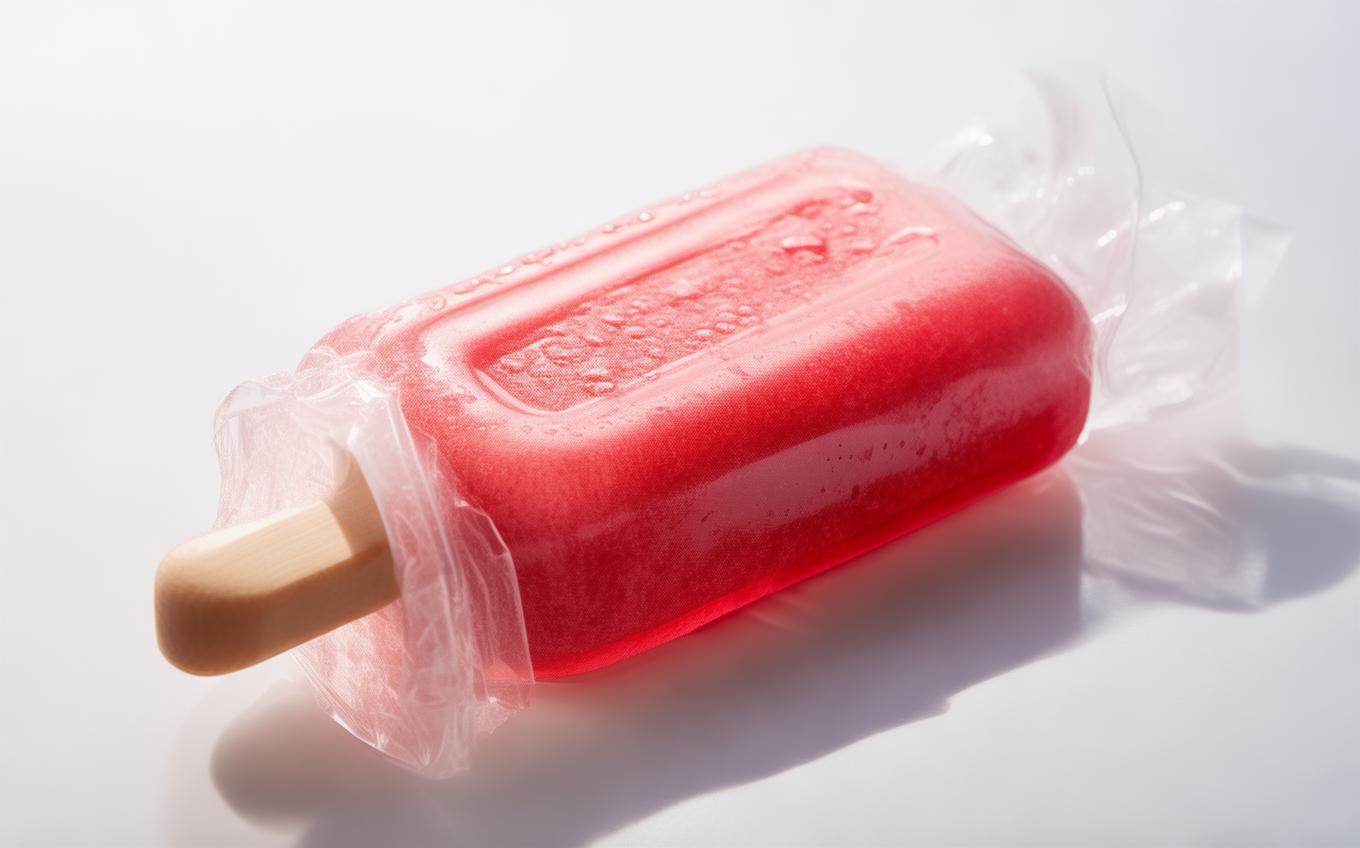
1. Basic Information
- Word: 冰棍儿
- Pinyin: bīng gùnr
- Literal Meaning: ice stick
- Primary Meaning: popsicle (American English), ice pop, ice lolly (British English) — a frozen sweet treat on a stick.
2. In-depth Explanation
-
Context and Usage:
“冰棍儿” is a colloquial word used in everyday conversation, especially in northern China and Beijing. It refers to any type of popsicle or ice pop, regardless of flavor. You can use it when asking for or offering ice pops, talking about childhood memories, or describing a hot summer day. The word carries a casual, friendly tone, and the “儿” (ér) ending gives it a distinctive Beijing dialect flavor, making speech sound more natural and local. Without “儿”, “冰棍” (bīng gùn) is also understood, but sounds slightly more formal or standard. -
Character Breakdown:
- 冰 (bīng) – “ice”. This character appears in many cold-related words, such as 冰箱 (bīngxiāng, refrigerator) and 冰淇淋 (bīngqílín, ice cream).
- 棍 (gùn) – “stick”, “rod”, or “staff”. It indicates the wooden or plastic stick that holds the frozen treat.
- 儿 (ér) – a diminutive suffix that is added to nouns in northern Chinese dialects. It makes the speech sound more casual and local. In “冰棍儿”, the “儿” merges with the previous syllable, producing the retroflex “gùnr” sound. This suffix does not change the core meaning but adds a colloquial touch.
3. Example Sentences
- Chinese: 天气太热了,我想吃一根冰棍儿。
- Pinyin: Tiānqì tài rè le, wǒ xiǎng chī yì gēn bīng gùnr.
-
English: The weather is too hot; I want to eat a popsicle.
-
Chinese: 小时候,夏天我每天都要买一根冰棍儿。
- Pinyin: Xiǎo shíhou, xiàtiān wǒ měi tiān dōu yào mǎi yì gēn bīng gùnr.
-
English: When I was little, I would buy a popsicle every day in the summer.
-
Chinese: 这个商店有卖那种老北京冰棍儿吗?
- Pinyin: Zhège shāngdiàn yǒu mài nà zhǒng lǎo Běijīng bīng gùnr ma?
- English: Does this shop sell that traditional Beijing-style popsicle?
Cultural Notes
“冰棍儿” is deeply associated with Chinese summertime memories, especially for those who grew up in the 1970s–1990s. Back then, simple ice pops made from water, sugar, and food coloring were sold by street vendors pushing bicycles with a foam box. The “儿” ending is a hallmark of Beijing dialect (北京话), but you’ll also hear it in other northern regions. In southern China, people often say 冰棍 (bīng gùn) or use words like 雪糕 (xuě gāo, ice cream bar) for creamier frozen treats. The term 冰棍儿 specifically evokes a nostalgic, simple ice pop—often just frozen sweetened water—as opposed to premium ice cream. Today, even though modern branded popsicles are widely available, the word 冰棍儿 remains a cultural symbol of beating the summer heat in a simple way.
Conclusion
Remember “冰棍儿” (bīng gùnr) as the casual, northern Chinese way to say “popsicle”. Break it down into “ice” + “stick” + a friendly suffix. Whether you’re reliving childhood summer memories or just trying to cool down, this word adds a local, colloquial touch to your Chinese. When in doubt, just drop the 儿 if you’re not comfortable with the retroflex sound—but using it will make you sound more like a native from northern China.
Sources and Further Reading
Dictionary links are provided for independent reference. Example sentences and learning notes on this page are educational explanations rather than dictionary quotations.


Comments (0)
No comments yet. Be the first to comment!