1. Basic Information
- Word: 风俗
- Pinyin: fēng sú
- Literal Meaning: "wind" + "custom/popular practice"
- Primary Meaning: Social customs, traditions, or local practices; the conventional habits and manners of a particular region or group of people
2. In-depth Explanation
Context and Usage
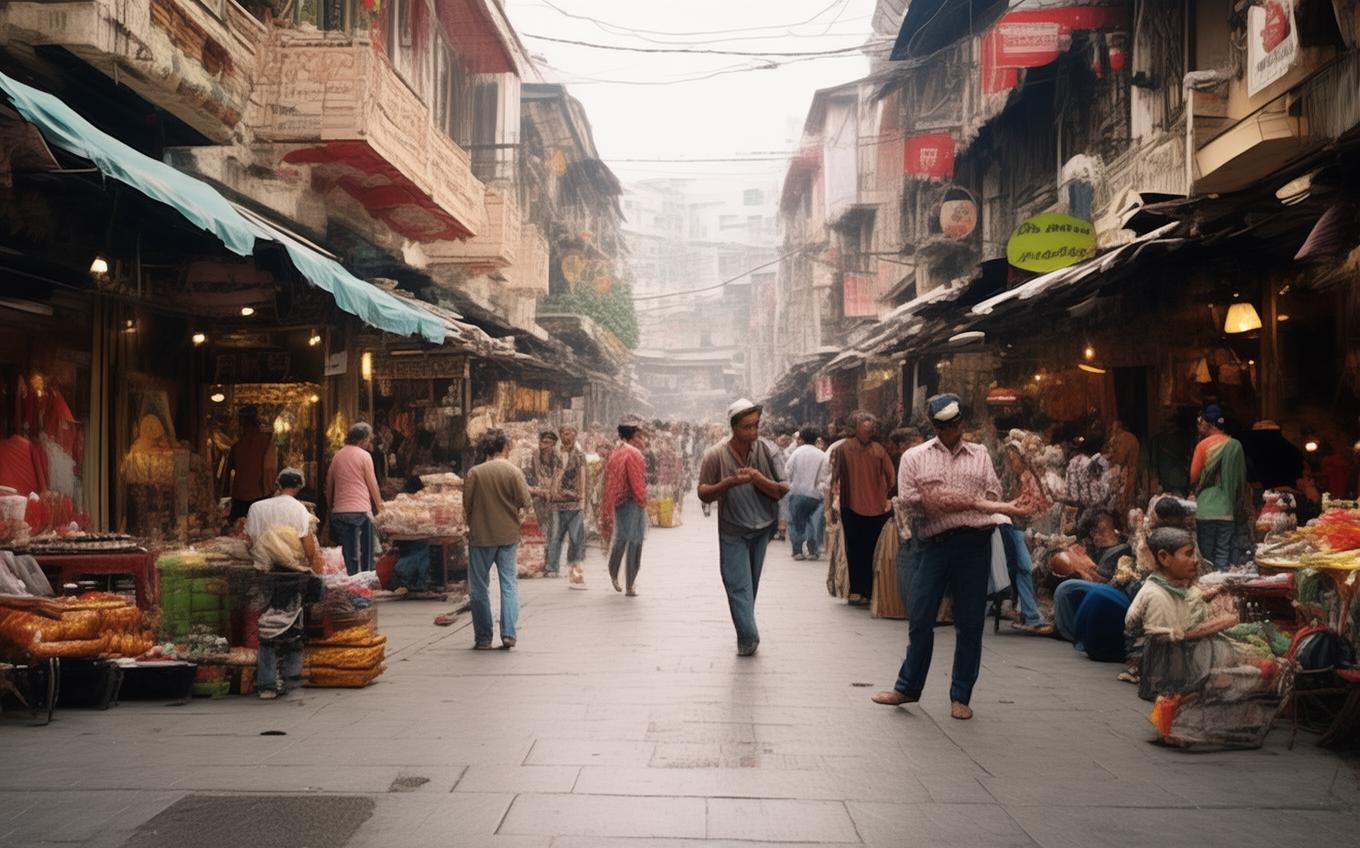
风俗 refers to the collective customs, traditions, and social conventions that have developed over time within a particular community, region, or ethnic group. It encompasses everything from festival celebrations and wedding rituals to dining etiquette and daily social habits.
The word is commonly used in both formal and informal contexts. You will encounter it in discussions about cultural differences, travel experiences, anthropological studies, and everyday conversations about local traditions. For example, when someone says "每个地方有不同的风俗" (měi gè dì fang yǒu bù tóng de fēng sú), they mean "Every place has different customs."
Nuance: While 风俗 can sometimes be translated as "custom" or "tradition," it carries a broader, more collective sense than the English word "habit." It refers to practices shared by a group rather than individual behaviors. Additionally, 风俗 often implies practices that have been passed down through generations and are deeply rooted in a community's identity.
Character Breakdown
-
风 (fēng): Literally means "wind." In this compound, it carries the extended meaning of "prevailing influence" or "atmosphere" — much like how wind spreads across a land, customs spread through a society. The character 风 is also used in words like 风气 (fēng qì, "social atmosphere") and 风格 (fēng gé, "style"), where it conveys the sense of something pervasive or characteristic.
-
俗 (sú): Means "custom," "convention," or "popular practice." It can also mean "vulgar" or "common" in other contexts, but in 风俗, it refers to established social practices. The character 俗 appears in words like 习俗 (xí sú, "custom/habit") and 世俗 (shì sú, "worldly/secular").
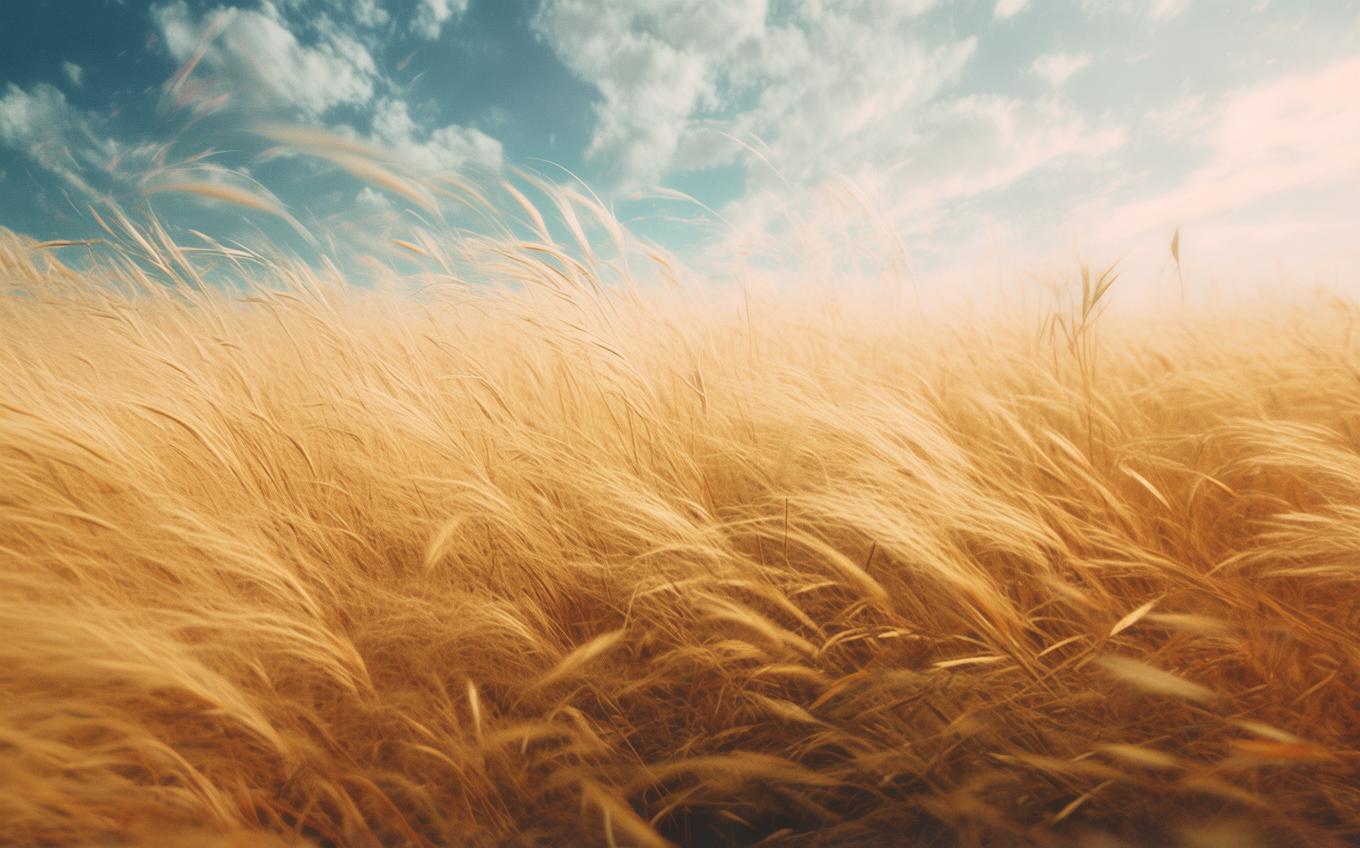
Together, 风 + 俗 paints a vivid picture: customs that blow through a society like wind, spreading naturally and becoming part of the social fabric.
3. Example Sentences
- Chinese: 中国各地有不同的风俗习惯。
- Pinyin: Zhōng guó gè dì yǒu bù tóng de fēng sú xí guàn.
- English: Different regions of China have different customs and traditions.
- Chinese: 我们应该尊重当地的风俗。
- Pinyin: Wǒ men yīng gāi zūn zhòng dāng dì de fēng sú.
- English: We should respect the local customs.
- Chinese: 春节有很多传统风俗,比如贴春联和放鞭炮。
- Pinyin: Chūn jié yǒu hěn duō chuán tǒng fēng sú, bǐ rú tiē chūn lián hé fàng biān pào.
- English: The Spring Festival has many traditional customs, such as pasting spring couplets and setting off firecrackers.
Cultural Notes
风俗 is a concept deeply embedded in Chinese culture. China's vast territory and long history have given rise to an incredibly diverse array of regional customs. The saying "十里不同风,百里不同俗" (shí lǐ bù tóng fēng, bǎi lǐ bù tóng sú) — "Ten miles apart, the winds differ; a hundred miles apart, the customs differ" — captures this beautifully, emphasizing how even neighboring areas can have distinct traditions.
The study and documentation of 风俗 has been an important part of Chinese scholarship for centuries. Ancient texts like the Book of Rites (《礼记》, Lǐ jì) discussed the importance of understanding local customs for effective governance. Even today, understanding 风俗 is considered essential for anyone doing business, traveling, or living in different parts of China.
Interestingly, the word 风俗 can sometimes carry a neutral or even slightly critical tone when discussing outdated practices, as in 旧风俗 (jiù fēng sú, "old customs") — implying traditions that may need to be reformed or abandoned in modern society.
Conclusion
风俗 (fēng sú) is your go-to word for talking about the customs and traditions that define a community or region. Remember the imagery: customs spread through society like wind (风) and become common practice (俗). When you want to discuss how people celebrate holidays, conduct ceremonies, or follow social conventions in a particular place, 风俗 is the word you need. It reminds us that culture is not static — it flows, spreads, and evolves, just like the wind.
Sources and Further Reading
Dictionary links are provided for independent reference. Example sentences and learning notes on this page are educational explanations rather than dictionary quotations.


Comments (0)
No comments yet. Be the first to comment!