1. Basic Information
- Word: 田园乐
- Pinyin: tián yuán lè
- Literal Meaning: "Field and garden joy"
- Primary Meaning: The happiness or pleasure derived from a simple, idyllic rural life, often associated with farming, nature, and tranquility.
2. In-depth Explanation
Context and Usage
"田园乐" (tián yuán lè) describes the contentment and joy found in living close to nature, away from the hustle and bustle of urban life. It is often used to express nostalgia for or admiration of a peaceful countryside lifestyle, where one can enjoy fresh air, natural scenery, and a slower pace of life. This concept is deeply rooted in Chinese culture, reflecting the traditional agrarian society's values and the philosophical ideal of harmony with nature.
Character Breakdown
- 田 (tián): Field, farmland. Represents agricultural land or rural areas.
- 园 (yuán): Garden, orchard. Refers to cultivated land or a natural retreat.
- 乐 (lè): Joy, happiness. Signifies the pleasure or satisfaction derived from the rural lifestyle.
Together, these characters paint a picture of bliss found in the simplicity of rural living.
3. Example Sentences
-
Chinese: 退休后,他回到乡下,享受田园乐。
Pinyin: Tuìxiū hòu, tā huí dào xiāngxià, xiǎngshòu tiányuán lè.
English: After retirement, he returned to the countryside to enjoy the joy of rural life. -
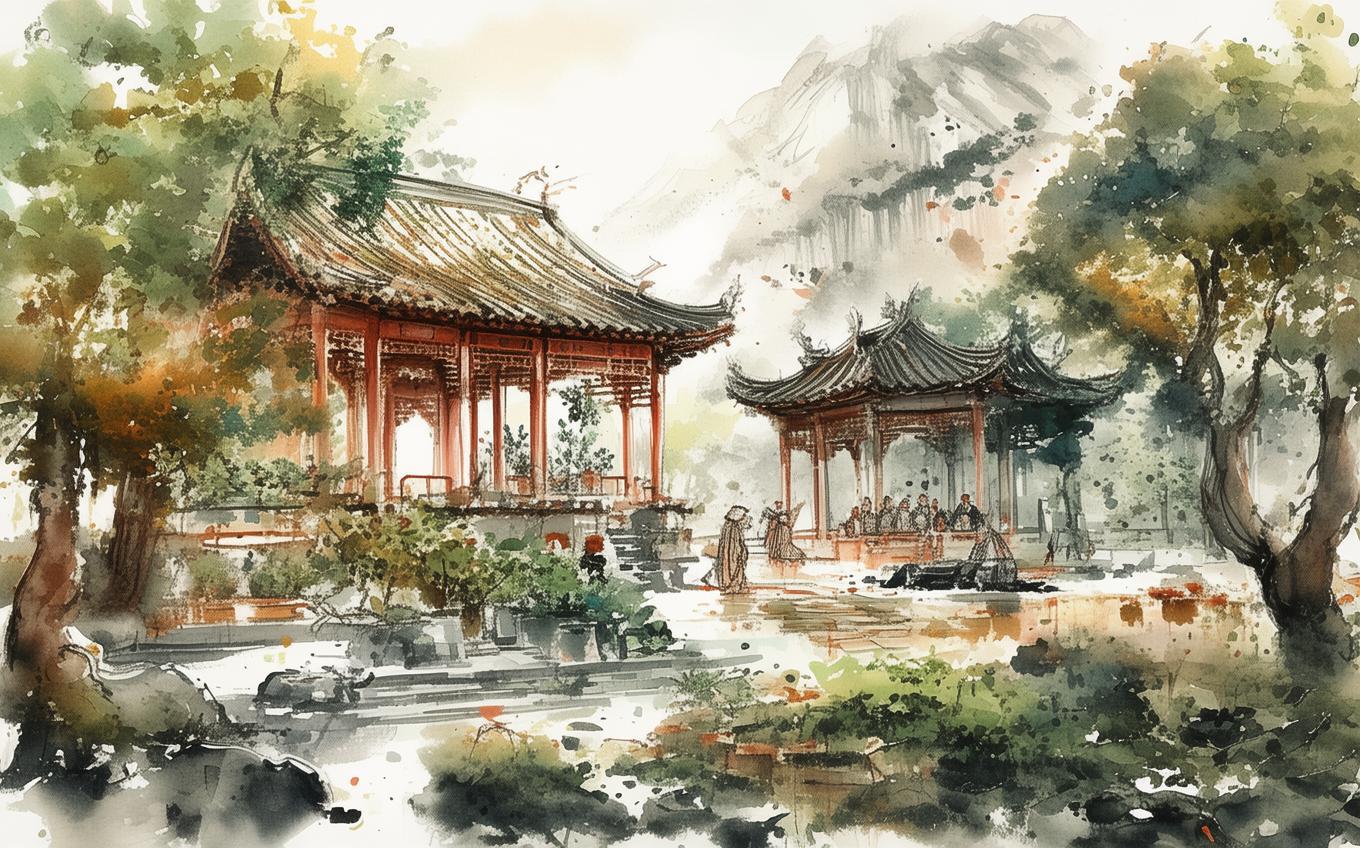
Chinese: 这幅画描绘了农民们的田园乐。
Pinyin: Zhè fú huà miáohuìle nóngmínmen de tiányuán lè.
English: This painting depicts the farmers' happiness in their pastoral life. -
Chinese: 现代人越来越向往田园乐的生活。
Pinyin: Xiàndài rén yuè lái yuè xiàngwǎng tiányuán lè de shēnghuó.
English: Modern people increasingly yearn for the joy of a pastoral lifestyle.
Cultural Notes
"田园乐" is closely tied to China's long history of agrarian culture and the philosophical ideals of Daoism and Confucianism, which emphasize harmony with nature and simplicity. Many classical Chinese poets, such as Tao Yuanming (陶渊明), celebrated this concept in their works, portraying rural life as an escape from political turmoil and materialism. Today, "田园乐" resonates with urban dwellers seeking respite from fast-paced city life, reflecting a timeless appreciation for nature's tranquility.
Conclusion
"田园乐" (tián yuán lè) encapsulates the serene happiness of rural living, blending the beauty of nature with a peaceful way of life. Whether used in literature, art, or everyday conversation, it evokes a deep cultural appreciation for simplicity and harmony. Remember it as the "joy of the countryside" – a cherished ideal in Chinese tradition.


Comments (0)
No comments yet. Be the first to comment!