1. Basic Information
- Word: 头发
- Pinyin: tóu fa
- Literal Meaning: "Head hair" (头 tóu = head, 发 fa = hair)
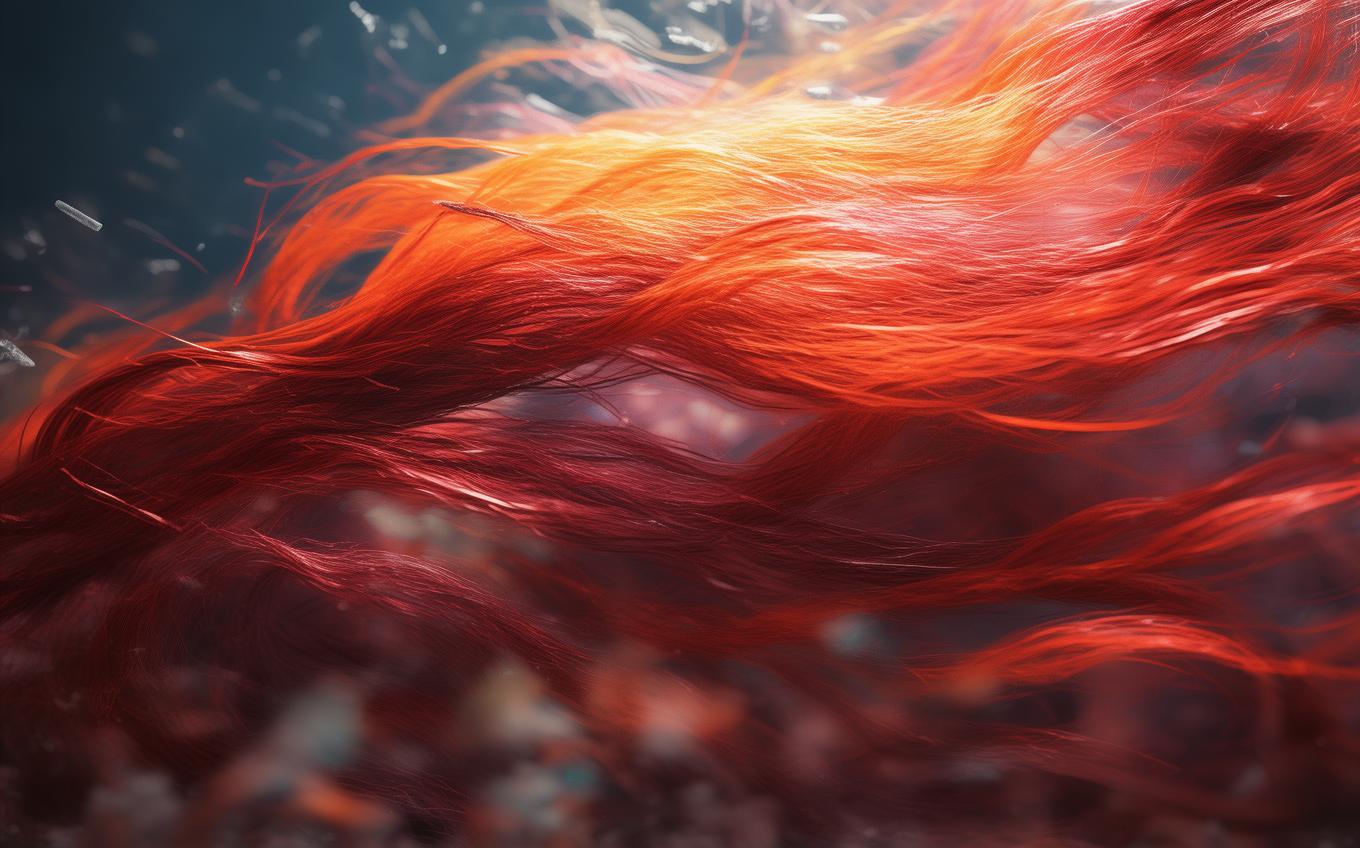
- Primary Meaning: Refers to the hair growing on the human scalp.
2. In-depth Explanation
Context and Usage
"头发" is the standard term for "hair" on the head in Chinese. It is used in everyday conversations, medical contexts, and beauty-related discussions. Unlike English, where "hair" can refer to both scalp hair and body hair, Chinese specifically uses "头发" for scalp hair. Body hair is referred to as "体毛" (tǐ máo).
Character Breakdown
- 头 (tóu): Means "head."
- 发 (fa): Means "hair." When used alone, "发" can sometimes refer to hair in a broader sense, but in "头发," it specifically means scalp hair.
3. Example Sentences
-
Chinese: 她的头发很长。
Pinyin: Tā de tóu fa hěn cháng.
English: Her hair is very long. -
Chinese: 我昨天剪了头发。
Pinyin: Wǒ zuótiān jiǎn le tóu fa.
English: I got a haircut yesterday. -
Chinese: 他的头发是黑色的。
Pinyin: Tā de tóu fa shì hēi sè de.
English: His hair is black.
Cultural Notes
In Chinese culture, hair has historical and symbolic significance. For example:
- In ancient times, cutting one's hair was considered a sign of mourning or rebellion.
- Long, healthy hair is often associated with beauty and vitality.
- The phrase "剪不断,理还乱" (jiǎn bù duàn, lǐ hái luàn, literally "can't cut it, can't sort it out") uses hair as a metaphor for unresolved problems.
Conclusion
"头发" (tóu fa) is a straightforward but essential word for describing scalp hair in Chinese. Remember that it specifically refers to head hair, not body hair. Practice using it in sentences to become comfortable with its usage in daily conversations!
Sources and Further Reading
Dictionary links are provided for independent reference. Example sentences and learning notes on this page are educational explanations rather than dictionary quotations.

Comments (0)
No comments yet. Be the first to comment!