1. Basic Information
- Word: 腐烂
- Pinyin: fǔ làn
- Literal Meaning: "Rot" (腐) + "Decay" (烂)
- Primary Meaning: To rot; to decay; to decompose (used for organic matter or metaphorically for moral/spiritual decay).
2. In-depth Explanation
Context and Usage
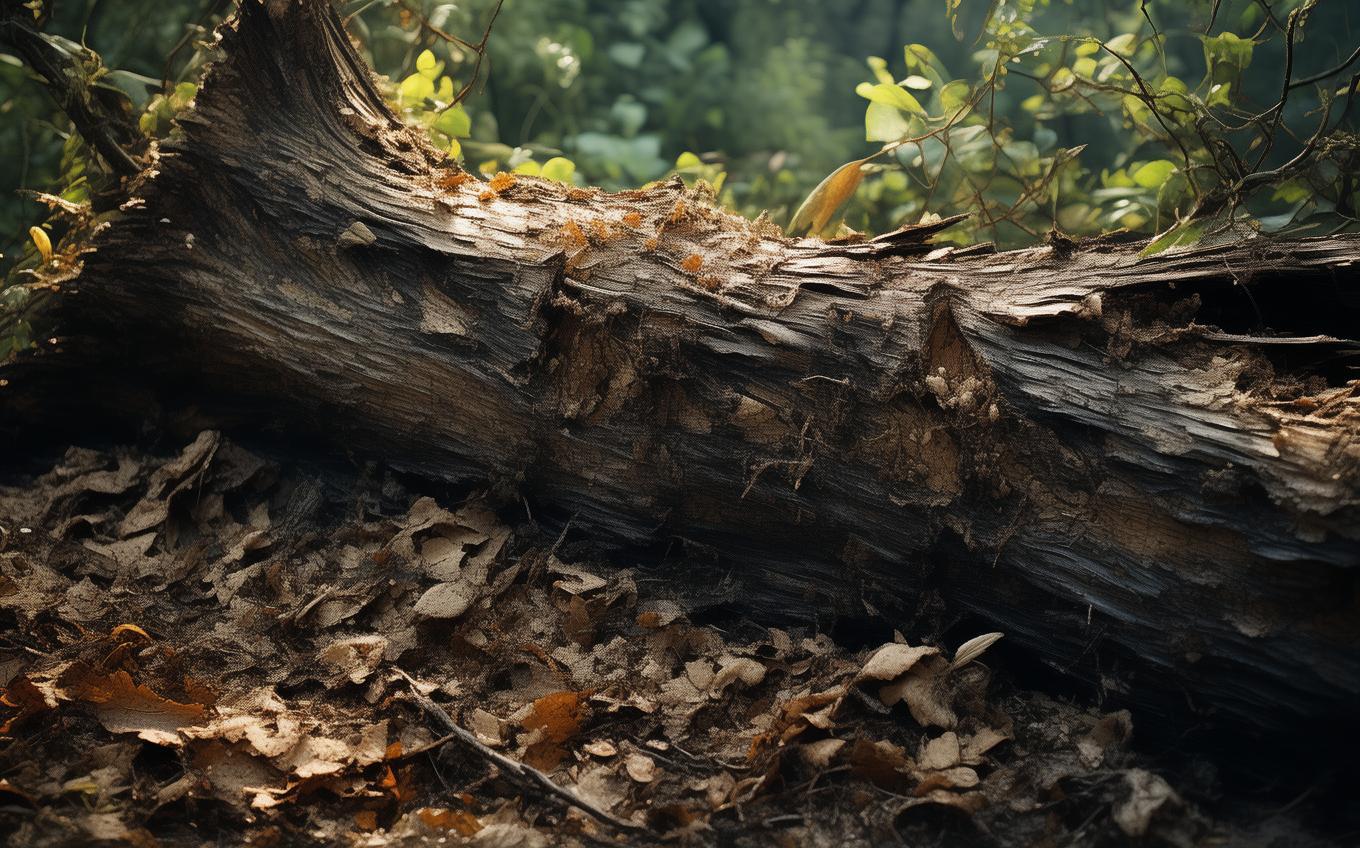
"腐烂" describes the natural process of organic matter breaking down due to bacterial or fungal action, such as food spoilage or a decaying plant/animal. It can also be used metaphorically to describe moral corruption, societal decline, or a "rotten" system.
Nuances:
- Literal: Focuses on physical decomposition.
- Metaphorical: Implies deep corruption or irreversible decline.
Character Breakdown
- 腐 (fǔ): Means "rotten," "spoiled," or "corrupt." Often used in words like 腐败 (fǔ bài, corruption) or 豆腐 (dòu fu, tofu, which can spoil easily).
- 烂 (làn): Means "soft," "mushy," or "decayed." Appears in words like 灿烂 (càn làn, bright/radiant) or 破烂 (pò làn, tattered).
Together, they emphasize complete decay or corruption.
3. Example Sentences
-
Chinese: 这些水果已经腐烂了。
Pinyin: Zhèxiē shuǐguǒ yǐjīng fǔlàn le.
English: These fruits have already rotted. -
Chinese: 那个腐败的官员让整个系统腐烂了。
Pinyin: Nàgè fǔbài de guānyuán ràng zhěnggè xìtǒng fǔlàn le.
English: That corrupt official caused the entire system to rot. -
Chinese: 木头在潮湿的环境中容易腐烂。
Pinyin: Mùtou zài cháoshī de huánjìng zhōng róngyì fǔlàn.
English: Wood tends to decay in damp environments.
Cultural Notes
In Chinese culture, "腐烂" is sometimes used in proverbs or idioms to warn against moral decay, reflecting Confucian values of integrity. For example, "朽木不可雕也" (xiǔ mù bù kě diāo yě, "rotten wood cannot be carved") criticizes someone beyond redemption.
Conclusion
"腐烂" (fǔ làn) is a vivid word for physical decay or moral corruption. Remember:
- Literal: Rotting fruit or wood.
- Metaphorical: A rotten system or character.
Use it to describe both natural processes and societal issues!
Sources and Further Reading
Dictionary links are provided for independent reference. Example sentences and learning notes on this page are educational explanations rather than dictionary quotations.



Comments (0)
No comments yet. Be the first to comment!