
1. Basic Information
- Word: 腐败
- Pinyin: fǔ bài
- Literal Meaning: "rotten" (腐) + "defeated/ruined" (败) — literally "rot and ruin"
- Primary Meaning: Corruption (political, institutional, or moral decay); also used literally to describe organic matter rotting or decomposing
2. In-depth Explanation
Context and Usage:
The word 腐败 (fǔ bài) has two main layers of meaning in modern Chinese:
A. Political / Institutional Corruption (Most Common Usage)
This is by far the most frequent use of the word in contemporary Chinese. It refers to the abuse of public power for private gain — bribery, embezzlement, nepotism, and other forms of official misconduct. It is a serious, formal term, commonly seen in news reports, government documents, and political discourse.
For example, phrases like:
- 腐败问题 (fǔ bài wèn tí) — "the problem of corruption"
- 反腐败 (fǎn fǔ bài) — "anti-corruption"
- 腐败分子 (fǔ bài fèn zǐ) — "corrupt elements/officials"
B. Literal / Biological Meaning
腐败 can also describe organic matter that is decomposing or putrefying — rotting food, decaying flesh, etc. In this sense, it is more formal than the everyday word 烂 (làn), which also means "rotten."
Nuance: When applied to people or systems, 腐败 carries a strong negative moral judgment. It implies not just wrongdoing, but a fundamental decay of integrity — as if the person or institution is "rotting" from within. This metaphorical connection between physical rot and moral decay is powerful in Chinese political rhetoric.
Character Breakdown:
-
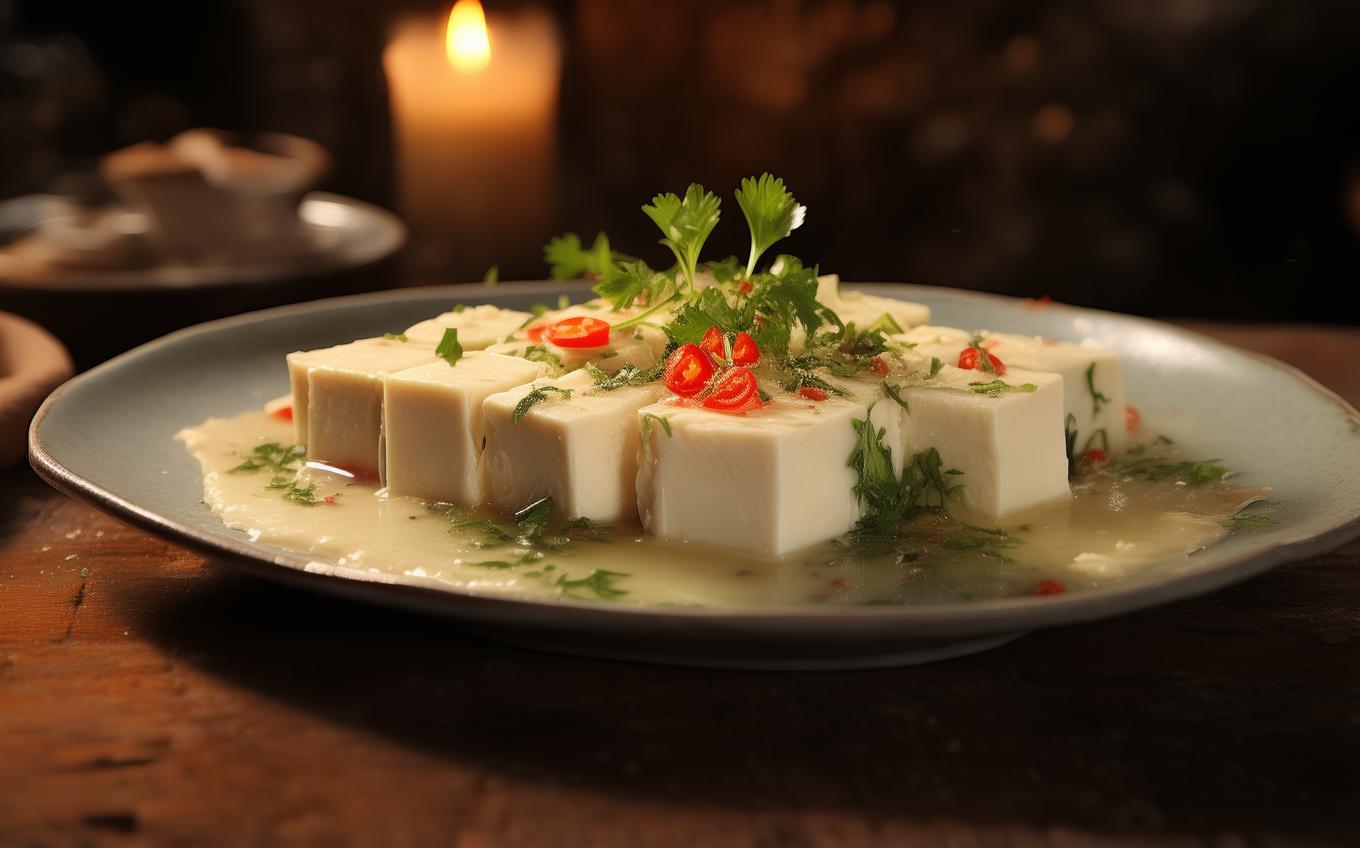
腐 (fǔ): This character means "rotten," "decayed," or "corroded." It contains the radical 肉 (ròu, "meat/flesh") at the bottom, indicating its original connection to flesh rotting. It appears in words like 豆腐 (dòu fu, "tofu" — literally "bean curd," where 腐 refers to the fermentation/curdling process) and 腐蚀 (fǔ shí, "to corrode/erode").
-
败 (bài): This character means "to be defeated," "to fail," "to ruin," or "to decay." It appears in words like 失败 (shī bài, "to fail"), 打败 (dǎ bài, "to defeat"), and 败坏 (bài huài, "to corrupt/ruin").
Together, 腐败 paints a vivid picture: something that has rotted (腐) to the point of ruin or collapse (败).
3. Example Sentences
Example 1:
- Chinese: 政府正在严厉打击腐败行为。
- Pinyin: Zhèng fǔ zhèng zài yán lì dǎ jī fǔ bài xíng wéi.
- English: The government is cracking down severely on corrupt behavior.
Example 2:
- Chinese: 这个国家的腐败问题非常严重。
- Pinyin: Zhè ge guó jiā de fǔ bài wèn tí fēi cháng yán zhòng.
- English: The problem of corruption in this country is very serious.
Example 3:
- Chinese: 夏天温度高,食物很容易腐败变质。
- Pinyin: Xià tiān wēn dù gāo, shí wù hěn róng yì fǔ bài biàn zhì.
- English: In summer, when temperatures are high, food easily rots and spoils.
Cultural Notes
The Anti-Corruption Campaign (反腐败运动):
Since 2012, under President Xi Jinping, China has conducted one of the most extensive anti-corruption campaigns in modern history. The phrase 反腐败 (fǎn fǔ bài, "anti-corruption") has become ubiquitous in Chinese media and public discourse. High-ranking officials, including members of the Politburo and military generals, have been investigated and removed under this campaign.
This has made 腐败 one of the most politically significant words in contemporary Chinese. When Chinese people hear 腐败, they immediately think of this campaign and the broader issue of official misconduct. The word carries heavy political weight and is often used in discussions about governance, justice, and social fairness.
The "Tiger and Fly" Metaphor:
In anti-corruption rhetoric, Chinese officials often use the phrase "老虎苍蝇一起打" (lǎo hǔ cāng ying yì qǐ dǎ) — "strike both tigers and flies together." "Tigers" (老虎) refers to high-ranking corrupt officials, while "flies" (苍蝇) refers to low-level bureaucrats. This vivid metaphor has become deeply embedded in Chinese political culture.
Historical Context:
The concern with 腐败 is not new in Chinese history. Throughout imperial China, corruption was seen as a sign that a dynasty had lost the "Mandate of Heaven" (天命, tiān mìng) — the divine right to rule. When officials became corrupt, it was believed that the emperor's virtue had declined, justifying rebellion and dynastic change. This historical consciousness adds depth to how modern Chinese people understand 腐败 — it is not merely a legal issue but a moral and even cosmic one.
Conclusion
To remember 腐败 (fǔ bài), think of it as "rot that ruins." The word connects physical decay (腐) with failure and collapse (败), creating a powerful metaphor for moral and institutional corruption. In modern Chinese, it most commonly refers to political corruption — the abuse of power for personal gain — and is a central term in China's ongoing anti-corruption efforts. When you encounter 腐败, remember both its literal meaning (rotting, decomposing) and its dominant figurative meaning (corruption), and you will understand why it carries such strong negative connotations in Chinese society.
Sources and Further Reading
Dictionary links are provided for independent reference. Example sentences and learning notes on this page are educational explanations rather than dictionary quotations.


Comments (0)
No comments yet. Be the first to comment!