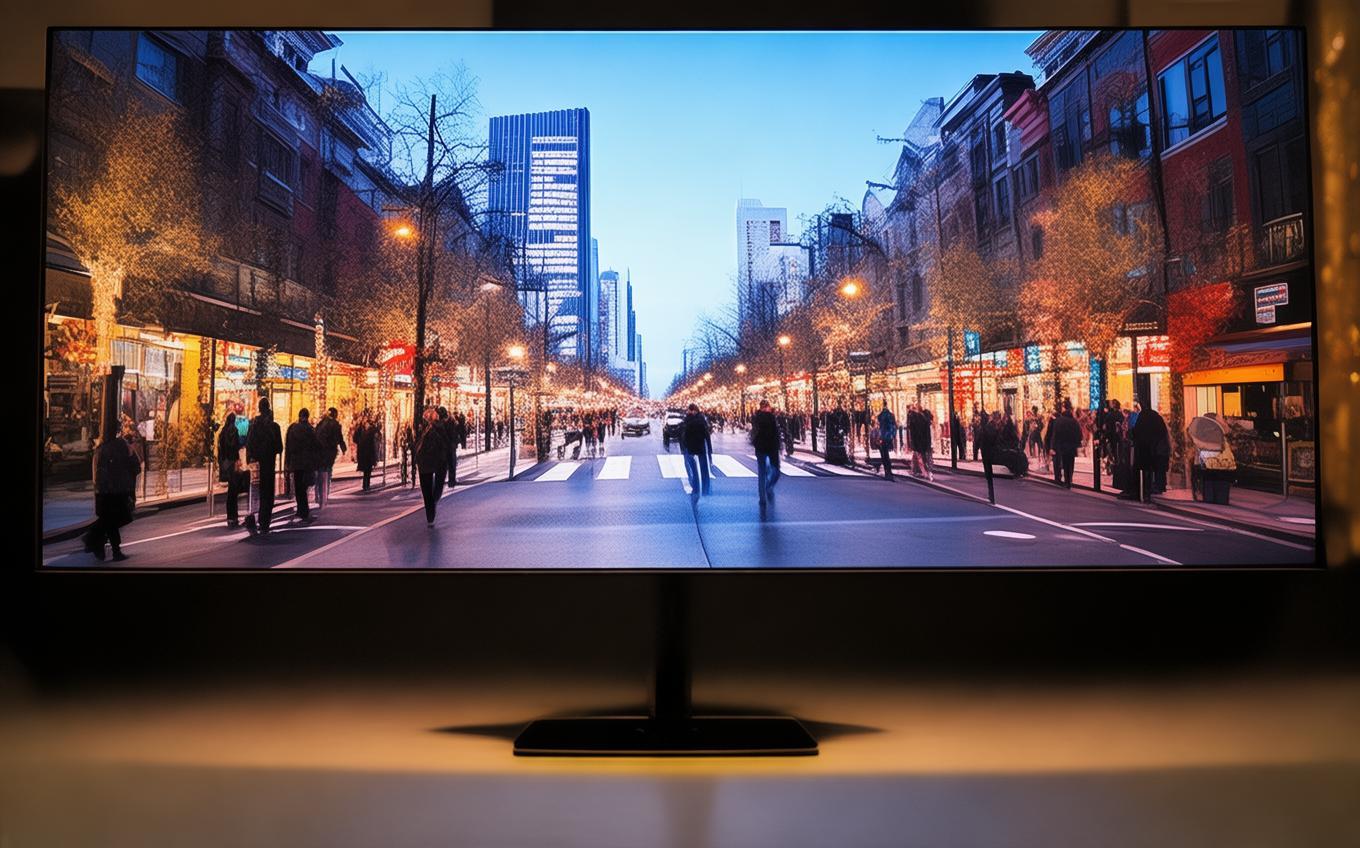
1. Basic Information
- Word: 屏幕
- Pinyin: píng mù
- Literal Meaning: "Flat curtain" or "screen curtain"
- Primary Meaning: "Screen" (referring to the display surface of electronic devices like TVs, computers, smartphones, or projection screens).
2. In-depth Explanation
Context and Usage
"屏幕" is a common noun used to describe the display surface of electronic devices. It can refer to:
- Electronic screens: TV screens (电视屏幕 - diànshì píngmù), phone screens (手机屏幕 - shǒujī píngmù), computer monitors (电脑屏幕 - diànnǎo píngmù).
- Projection screens: Like those used in cinemas or presentations (投影屏幕 - tóuyǐng píngmù).
- Touchscreens: When combined with "触摸" (chùmō), it becomes "触摸屏幕" (touchscreen).
It is neutral in tone and can be used in both formal and informal contexts.
Character Breakdown
- 屏 (píng): Means "screen," "shield," or "to block." In this context, it refers to a flat surface.
- 幕 (mù): Means "curtain" or "screen," often used for theatrical curtains or coverings. Together, they form "屏幕," emphasizing a flat, display-like surface.
3. Example Sentences
-
Chinese: 我的手机屏幕碎了。
Pinyin: Wǒ de shǒujī píngmù suì le.
English: My phone screen is cracked. -
Chinese: 请把PPT放到大屏幕上。
Pinyin: Qǐng bǎ PPT fàng dào dà píngmù shàng.
English: Please display the PPT on the big screen. -
Chinese: 这个电视的屏幕分辨率很高。
Pinyin: Zhège diànshì de píngmù fēnbiànlǜ hěn gāo.
English: This TV screen has a very high resolution.
Cultural Notes
- In China, screen technology is highly advanced, and terms like "屏幕" are frequently used in discussions about gadgets, entertainment, and work.
- The word is also associated with modern lifestyles, such as binge-watching (刷屏 - shuā píng, literally "scrolling the screen") or screen addiction (屏幕依赖 - píngmù yīlài).
Conclusion
"屏幕" (píng mù) is an essential word for discussing screens in Chinese, covering everything from smartphones to cinema displays. Remember its components: "屏" (flat surface) and "幕" (curtain), and practice using it in tech-related conversations!
Sources and Further Reading
Dictionary links are provided for independent reference. Example sentences and learning notes on this page are educational explanations rather than dictionary quotations.


Comments (0)
No comments yet. Be the first to comment!