Analysis of "登幽州台歌" - Classical Chinese Poetry
Introduction
The Chinese poetic tradition brims with voices that climbed heights—towers, terraces, mountains—to pour out their hearts. The phrase “登三台言志” (Climbing the Three Terraces to Express One’s Aspiration) captures this timeless gesture: ascending a commanding vantage point to face the universe and articulate one’s inner longings. While several Tang-dynasty poems are directly titled “登三台言志”, perhaps the most resonant and universally beloved poem in this “climbing-to-speak” vein is Chen Zi’ang’s 《登幽州台歌》 (Song on Climbing Youzhou Terrace). Written around 696 AD, this brief quatrain distills the solitude of a man who feels suspended between a vanished heroic past and an unknowable future. It remains one of the most celebrated short poems in Chinese literature, a cry of existential loneliness that still echoes across more than a millennium.
The Poem: Full Text and Translation
前不见古人,
qián bù jiàn gǔ rén,
Before me, no ancients are to be seen;
后不见来者。
hòu bù jiàn lái zhě.
Behind me, no coming generations appear.
念天地之悠悠,
niàn tiān dì zhī yōu yōu,
I brood on the endless vastness of heaven and earth,
独怆然而涕下。
dú chuàng rán ér tì xià.
Alone, overcome with sorrow, my tears fall.
Line-by-Line Analysis
Line 1: 前不见古人
With the stark opening “Before me, no ancients are to be seen,” the poet situates himself on the Youzhou Terrace as a lonely pivot in time. The “ancients” here are not just any figures from the past—they are the legendary sage-kings and loyal ministers who recognized and elevated hidden talent. By declaring they are invisible, Chen Zi’ang laments that his own age lacks great rulers who could appreciate a man of his ambition. The line reads almost like a sigh of temporal vertigo: he strains forward into history and finds only emptiness.
Line 2: 后不见来者
The counterpart looks backward—or rather forward—into the future. If no worthy predecessors can be seen, neither can any future kindred spirits. The poet is trapped in an eternal “now” stripped of companionship. This double denial creates a powerful sense of being marooned in the flow of time, the ultimate isolation of a person who feels born in the wrong era.
Line 3: 念天地之悠悠
In the third line, the gaze shifts from historical loneliness to cosmic scale. “天地” (tiān dì), heaven and earth, represent the entire cosmos, an infinite backdrop of majestic indifference. “悠悠” (yōu yōu) is a rich, reduplicated word that suggests both spatial boundlessness and temporal eternity—distant, lingering, drawn out. When the poet contemplates this infinite continuum, his own brief, fragile existence is thrown into sharp relief. It is a classic Chinese poetic move: the human self measured against the sublime breadth of nature, and found achingly small.
Line 4: 独怆然而涕下
The final line delivers the emotional climax. “独” (dú), alone, reinforces the isolation built through the first two lines, now set against the grandeur of the third. “怆然” (chuàng rán) — grief-stricken, desolate — is a feeling that exceeds personal disappointment; it is a profound sorrow at the human condition. “涕下” (tì xià), tears fall, is a plain, unadorned image, but its rawness is exactly what gives the poem its lasting power. There is no philosophical consolation, no heroic resolution—just a man weeping under the enormous sky.
Themes and Symbolism
Loneliness and Temporal Displacement — The core theme is a crushing solitude. Chen Zi’ang feels disconnected from both the great figures of the past and the kindred souls of the future. This is not merely personal angst; it is the loneliness of unrecognized worth, a grief for all those whose talents are buried by an indifferent era.
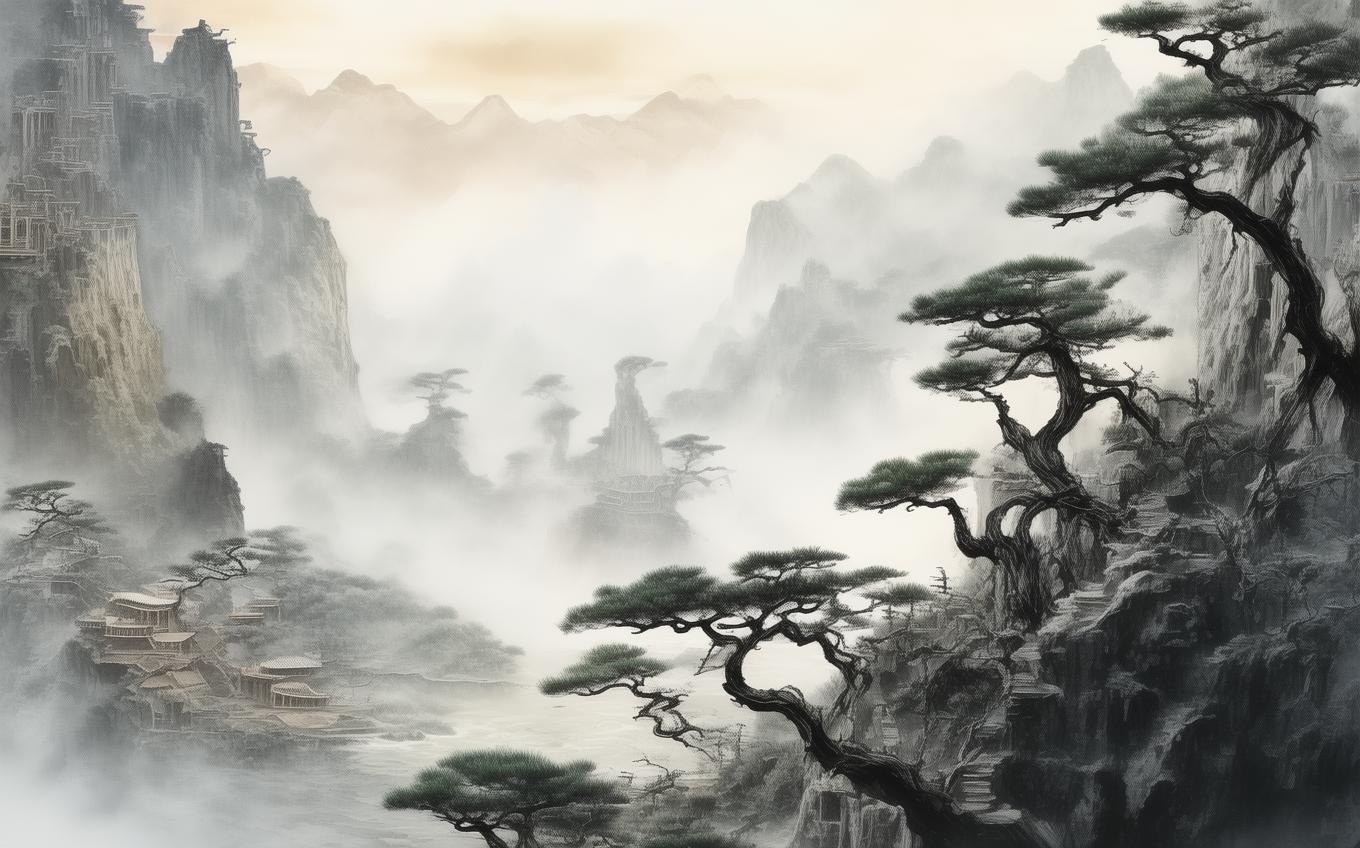
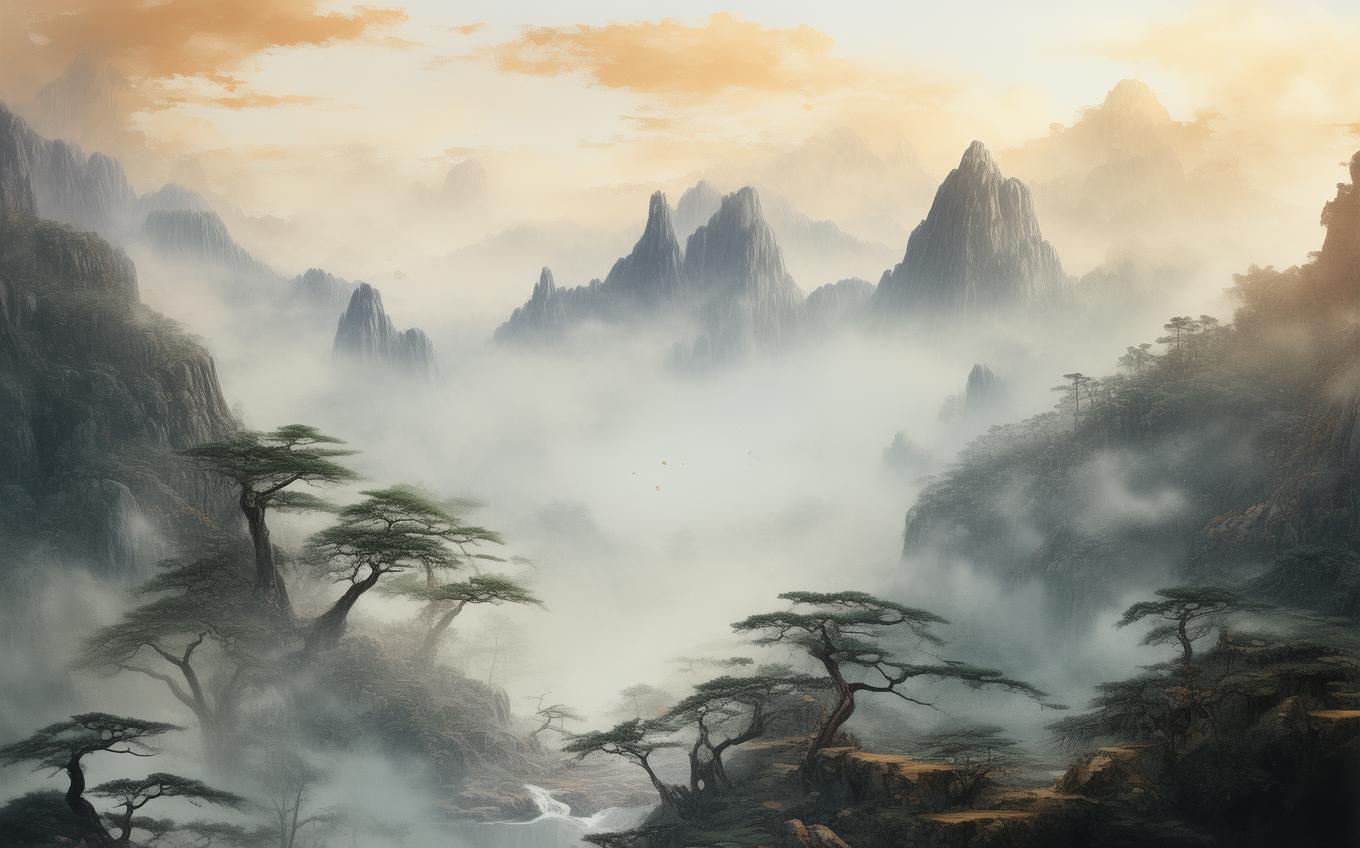
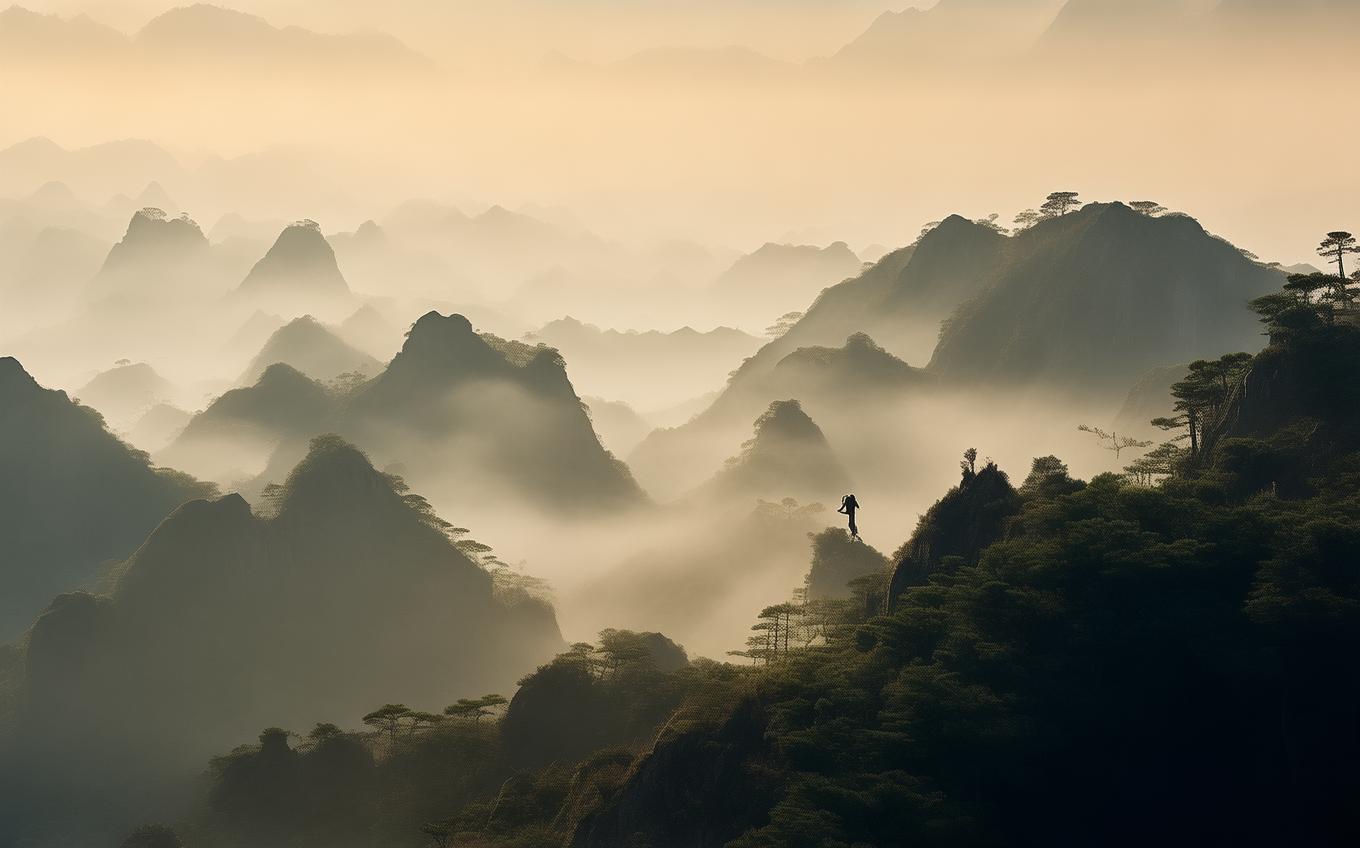
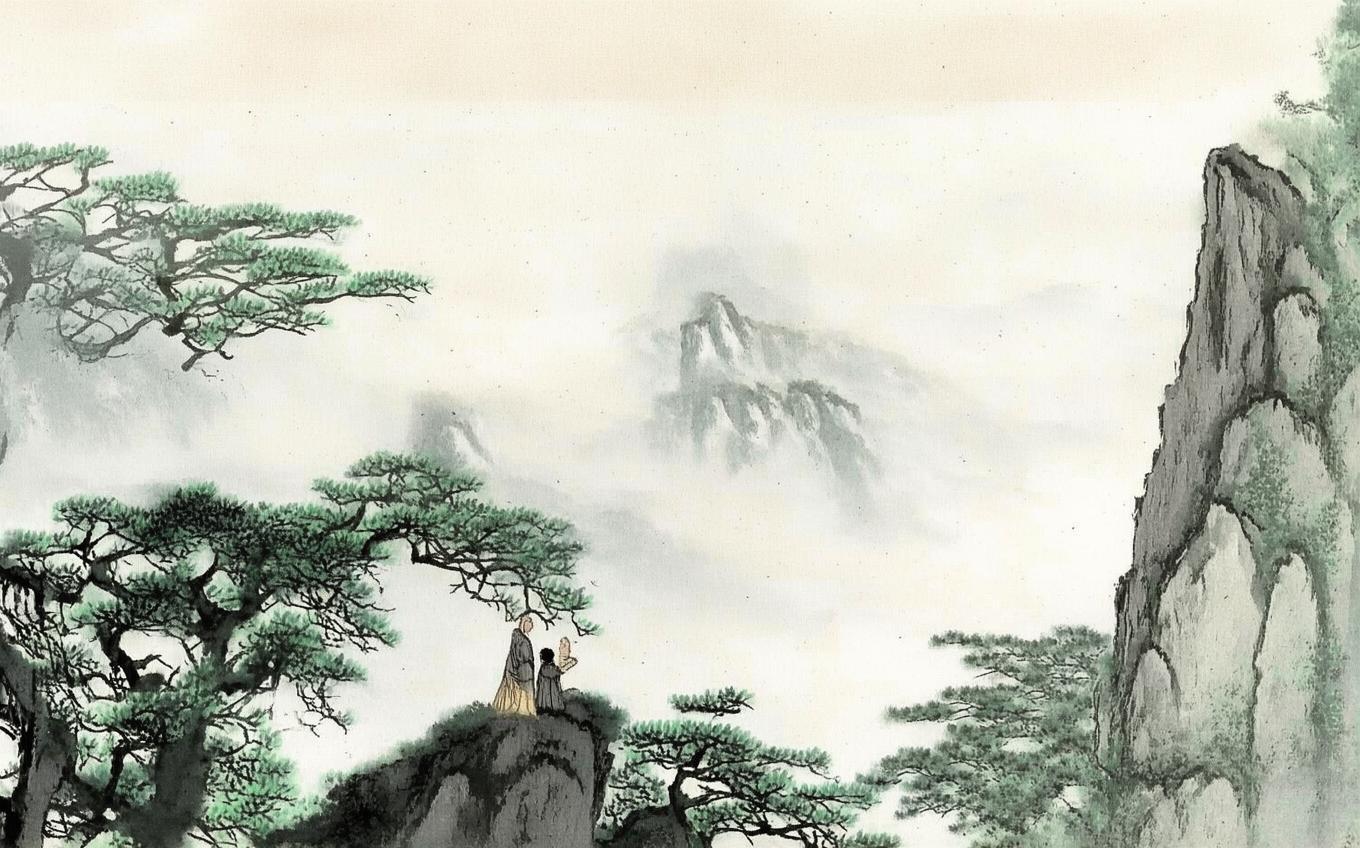
The Insignificance of Man Against Nature — The “boundless heaven and earth” become a cosmic mirror. Standing on an ancient terrace, the poet experiences the sublime: the terrifying beauty of an infinite universe that both dwarfs the self and magnifies the need for meaning.
Ambition and Futility — “言志” (expressing one’s will) is the traditional function of such a poem. Yet here, the aspiration is left unspoken. Instead of declaring what he will achieve, Chen Zi’ang shows only the sorrow of a will with nowhere to land. The poem becomes a negative expression of ambition—the ache of wanting to act in a world that offers no stage.
The Terrace as Symbol — The Youzhou Terrace itself (also known as the Golden Terrace) was reportedly built by King Zhao of Yan during the Warring States period to attract worthy advisors. By climbing it, Chen Zi’ang steps onto a monument to the very ideal of wise recognition. The terrace thus symbolizes the lost golden age of mutual devotion between ruler and minister, making his current sense of abandonment all the more poignant.
Cultural Context
Chen Zi’ang (661–702) lived during the Tang dynasty under the reign of Empress Wu Zetian, a time of political intrigue and personal peril for many officials. He had a reputation for uprightness and served as a military advisor in campaigns against the Khitans. It was during one such northern expedition, when his strategic advice was ignored by his commander, that he climbed the ancient Youzhou Terrace in despair and wrote this poem.
The poem deeply reflects the Chinese intellectual’s age-old dilemma: the tension between public duty and personal recognition. Confucian values urged scholars to serve the state, but such service depended on a virtuous ruler who could spot talent. When the ruler failed to see, the scholar
Comments (0)
No comments yet. Be the first to comment!