1. Basic Information
- Word: 百货
- Pinyin: bǎi huò
- Literal Meaning: hundred goods
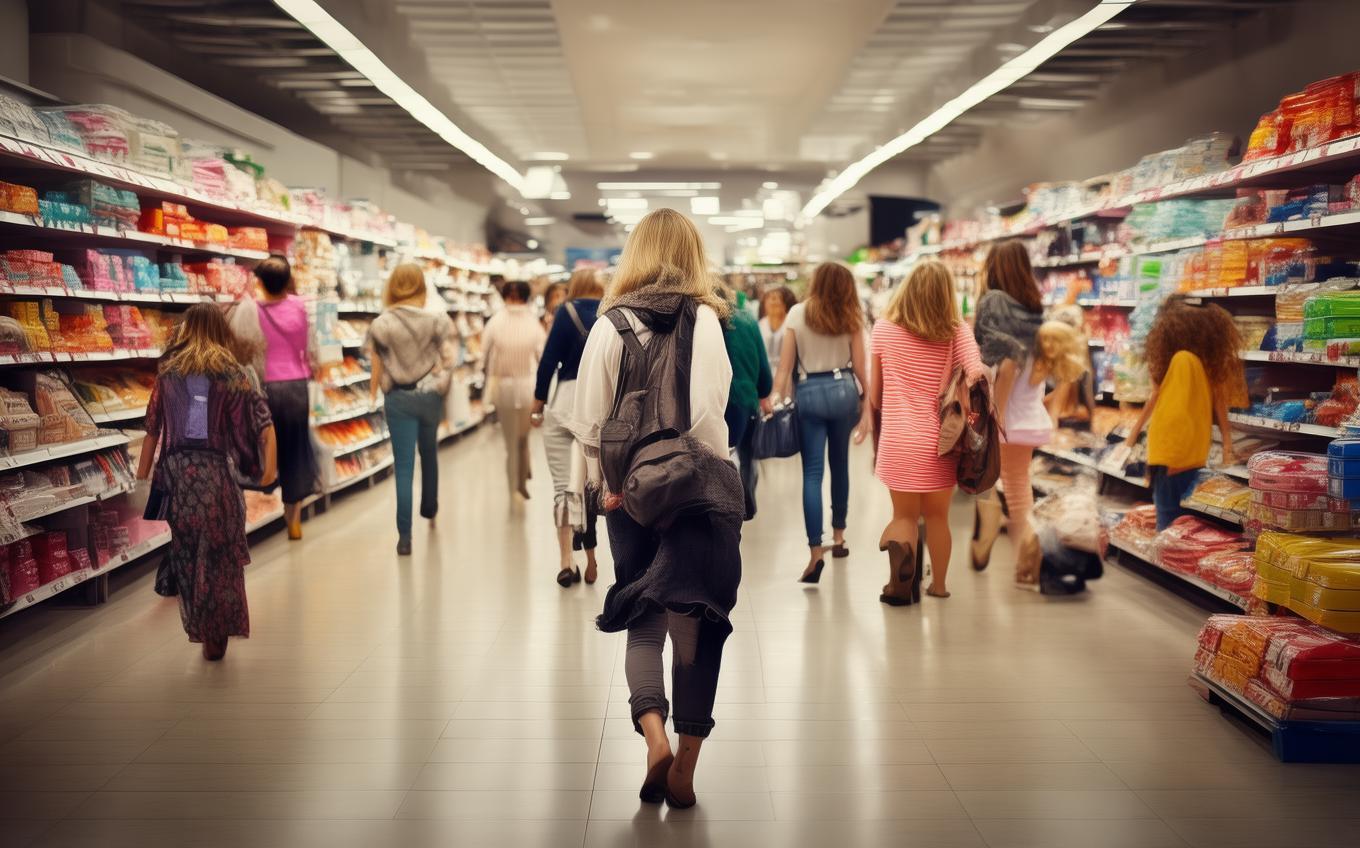
- Primary Meaning: general merchandise; goods of all kinds; often used to refer to a department store (when combined with words like 商店 or 公司)
2. In-depth Explanation
-
Context and Usage: The word 百货 (bǎihuò) is a common noun in Chinese that describes a wide variety of goods or merchandise. In everyday speech, it almost always appears as part of a compound, such as 百货商店 (bǎihuò shāngdiàn, department store) or 百货公司 (bǎihuò gōngsī, department store company). The concept emphasises variety - a 百货 store is a place where you can buy "a hundred" (read: countless) different kinds of products, from clothes and cosmetics to household items and electronics. You can also use it in a more abstract sense to talk about the range of commodities available, but standalone usage as a noun meaning "general merchandise" is less common in modern conversation. The phrase carries a slightly traditional or formal feel, as newer terms like 商场 (shāngchǎng, shopping mall) are also used, though 百货公司 remains very much alive.
-
Character Breakdown:
- 百 (bǎi) – hundred. Here it functions like "hundreds" in English, indicating a large, indefinite quantity; it represents "many" or "all sorts of".
- 货 (huò) – goods, commodities, merchandise, products. It is a general term for things that are bought and sold.
Together, 百货 literally expresses "a hundred goods" → "goods of every description".
3. Example Sentences
- Chinese: 周末我去百货公司买了一件外套。
- Pinyin: Zhōumò wǒ qù bǎihuò gōngsī mǎi le yī jiàn wàitào.
-
English: I went to the department store over the weekend and bought a coat.
-
Chinese: 这家百货商店正在打折,人特别多。
- Pinyin: Zhè jiā bǎihuò shāngdiàn zhèngzài dǎzhé, rén tèbié duō.
-
English: This department store is having a sale, so there are especially many people.
-
Chinese: 老上海的第一家百货公司建于1917年。
- Pinyin: Lǎo Shànghǎi de dì-yī jiā bǎihuò gōngsī jiàn yú yī jiǔ yī qī nián.
- English: The first department store in old Shanghai was built in 1917.
Cultural Notes
The term 百货 holds a special place in modern Chinese retail history. In the early 20th century, Chinese entrepreneurs established grand "百货公司" in cities like Shanghai and Hong Kong, inspired by Western department stores. These were not just shopping places but also social and cultural landmarks, introducing elevators, fixed prices, and window displays. The word still evokes a sense of one-stop shopping and urban sophistication, even though many contemporary megastores are now called 购物中心 (gòuwù zhōngxīn, shopping centres) or 商场 (shāngchǎng). In everyday language, saying “我去百货” as a short form for “我去了百货商店” is acceptable, much like saying "I'm going to the department store" in English.
Conclusion
Remember 百货 (bǎi huò) as "a hundred goods", representing the idea of an enormous selection. Whenever you need to talk about a large store that sells all kinds of items—clothes, homeware, beauty products—just use 百货公司 or 百货商店. It's a practical, high-frequency word that instantly connects you with the Chinese shopping experience.
Sources and Further Reading
Dictionary links are provided for independent reference. Example sentences and learning notes on this page are educational explanations rather than dictionary quotations.


Comments (0)
No comments yet. Be the first to comment!