Introduction
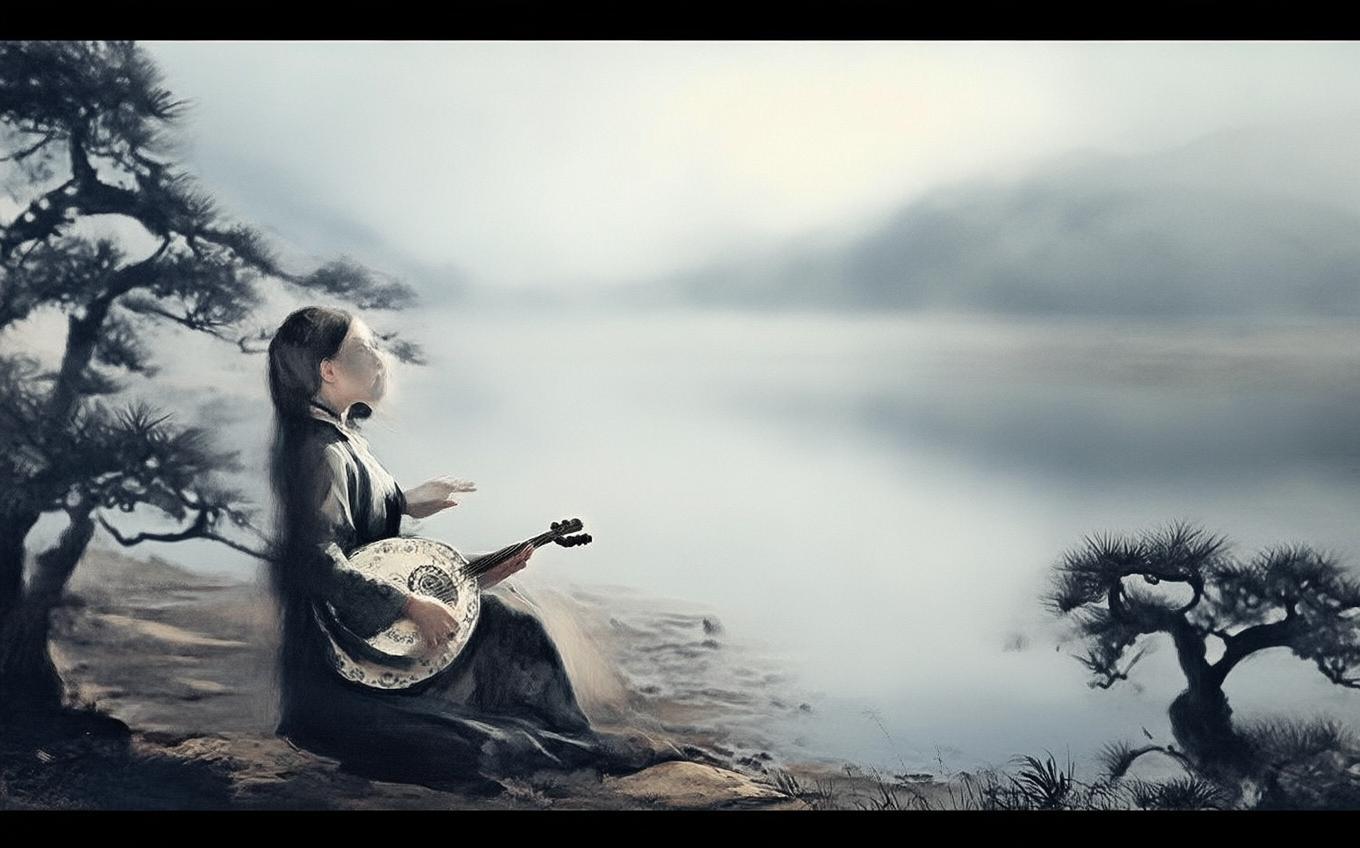
Among the glittering jewels of Tang Dynasty poetry, few shine as brilliantly as Bai Juyi’s narrative masterpiece, 《琵琶行》 (Pípa Xíng – “The Song of the Pipa”). Composed in 816 CE, this long poem springs from a deeply personal encounter the poet had while in exile. Banished from the imperial court to the remote southern town of Xunyang (modern Jiujiang), Bai Juyi felt the sting of political disfavor. One autumn night by the Yangtze River, he heard the haunting strains of a pipa lute drifting across the water. The musician, an aging courtesan from the capital, shared her life story through music, and in her sorrow Bai recognized the mirror of his own. The resulting poem—part musical description, part biography, part philosophical reflection—became a landmark of Chinese literature, celebrating the transcendent power of art to unite lonely hearts across social divides. For over a thousand years, 《琵琶行》 has been memorized by schoolchildren, sung on stages, and cherished as a profound meditation on the shared experience of loss and the impermanence of glory.
The Poem: Full Text and Translation
Below is the complete poem, with each line given in Chinese characters, pinyin with tone marks, and an English translation that aims to preserve both literal meaning and poetic rhythm.
浔阳江头夜送客,枫叶荻花秋瑟瑟。
Xúnyáng jiāng tóu yè sòng kè, fēng yè dí huā qiū sè sè.
At Xunyang’s riverside, I see a parting guest at night; maple leaves and reed catkins shiver in autumn’s chill.
主人下马客在船,举酒欲饮无管弦。
Zhǔrén xià mǎ kè zài chuán, jǔ jiǔ yù yǐn wú guǎnxián.
I, the host, dismount; the traveler boards the boat. We raise cups but lack music to enhance the wine.
醉不成欢惨将别,别时茫茫江浸月。
Zuì bù chéng huān cǎn jiāng bié, bié shí mángmáng jiāng jìn yuè.
Drunk without joy, the farewell is bitter; as we part, the vast river swallows the moon’s reflection.
忽闻水上琵琶声,主人忘归客不发。
Hū wén shuǐ shàng pípa shēng, zhǔrén wàng guī kè bù fā.
Suddenly, over the water, pipa notes float; I forget to return, the guest cannot set sail.
寻声暗问弹者谁,琵琶声停欲语迟。
Xún shēng àn wèn tán zhě shéi, pípa shēng tíng yù yǔ chí.
Following the sound, we ask in the dark who plays; the pipa pauses, she hesitates to reply.
移船相近邀相见,添酒回灯重开宴。
Yí chuán xiāng jìn yāo xiāng jiàn, tiān jiǔ huí dēng chóng kāi yàn.
We move our boat closer, invite her to join us; add wine, trim the lamp, resume the feast.
千呼万唤始出来,犹抱琵琶半遮面。
Qiān hū wàn huàn shǐ chū lái, yóu bào pípa bàn zhē miàn.
A thousand calls, ten thousand pleadings—then she comes, still hiding half her face behind the pipa.
转轴拨弦三两声,未成曲调先有情。
Zhuǎn zhóu bō xián sān liǎng shēng, wèi chéng qǔdiào xiān yǒu qíng.
She turns the pegs, plucks a few test notes; before a melody forms, emotion spills forth.
弦弦掩抑声声思,似诉平生不得志。
Xián xián yǎn yì shēng shēng sī, sì sù píngshēng bù dé zhì.
Each string muffled, each note laden with longing, as if recounting a lifetime of thwarted ambitions.
低眉信手续续弹,说尽心中无限事。
Dī méi xìn shǒu xùxù tán, shuō jìn xīnzhōng wúxiàn shì.
Brows lowered, fingers moving freely, she plays on, pouring out the boundless secrets of her heart.
轻拢慢捻抹复挑,初为《霓裳》后《六幺》。
Qīng lǒng màn niǎn mǒ fù tiāo, chū wéi
NíchánghòuLiùyāo.Light pressing, slow twisting, gliding, plucking—first “Rainbow Skirts,” then “Six Yao” melodies.
大弦嘈嘈如急雨,小弦切切如私语。
Dà xián cáocáo rú jí yǔ, xiǎo xián qièqiè rú sīyǔ.
The thick strings resound like pelting rain; the thin strings whisper like intimate confessions.
嘈嘈切切错杂弹,大珠小珠落玉盘。
Cáocáo qièqiè cuòzá tán, dà zhū xiǎo zhū luò yù pán.
Loud and soft interweave in her play, as if large pearls and small pearls tumble onto a jade plate.
间关莺语花底滑,幽咽泉流冰下难。
Jiànguān yīng yǔ huā dǐ huá, yōuyè quán liú bīng xià nán.
Like orioles warbling beneath blossoms, fluid and smooth; like a spring moaning its way under frozen ice.
冰泉冷涩弦凝绝,凝绝不通声暂歇。
Bīng quán lěng sè xián níng jué, níng jué bù tōng shēng zàn xiē.
The icy spring chills, the notes freeze and cease; frozen and blocked, the sound halts for a moment.
别有幽愁暗恨生,此时无声胜有声。
Bié yǒu yōu chóu àn hèn shēng, cǐ shí wú shēng shèng yǒu shēng.
Now hidden grief and secret resentment arise; at this instant, silence surpasses all sound.
银瓶乍破水浆迸,铁骑突出刀枪鸣。
Yín píng zhà pò shuǐ jiāng bèng, tiě jì tū chū dāo qiāng míng.
Like a silver vase cracking, water and bubbles bursting; like armored cavalry charging, swords and spears clanging.
曲终收拨当心画,四弦一声如裂帛。
Qǔ zhōng shōu bō dāng xīn huà, sì xián yī shēng rú liè bó.
The tune ends, she sweeps the plectrum across the center; four strings cry together, like tearing silk.
东船西舫悄无言,唯见江心秋月白。
Dōng chuán xī fǎng qiǎo wú yán, wéi jiàn jiāng xīn qiū yuè bái.
Boats east and west stand silent, wordless; only the autumn moon gleams white in the river’s heart.
沉吟放拨插弦中,整顿衣裳起敛容。
Chényín fàng bō chā xián zhōng, zhěngdùn yīshang qǐ liǎn róng.
Pensively she puts the plectrum among the strings, straightens her dress, rises with a composed face.
自言本是京城女,家在虾蟆陵下住。
Zì yán běn shì jīngchéng nǚ, jiā zài Hámá Líng xià zhù.
She tells us she was a girl from the capital, living near the Toad Mound.
十三学得琵琶成,名属教坊第一部。
Shísān xué dé pípa chéng, míng shǔ jiàofāng dì yī bù.
At thirteen she mastered the pipa, her name ranked first in the imperial music bureau.
曲罢曾教善才服,妆成每被秋娘妒。
Qǔ bà céng jiào shàncái fú, zhuāng chéng měi bèi Qiū Niáng dù.
Her playing awed the master musicians, her powdered beauty drew envy from courtesans.
五陵年少争缠头,一曲红绡不知数。
Wǔlíng niánshào zhēng chántóu, yī qǔ hóng xiāo bù zhī shù.
Young lords from the Five Tombs vied for her favors; a single song brought countless bolts of red silk.
钿头银篦击节碎,血色罗裙翻酒污。
Diàntóu yín bì jī jié suì, xuè sè luó qún fān jiǔ wū.
Silver-inlaid combs broke as she beat the time; blood-red gauze skirts were stained by overturned wine.
今年欢笑复明年,秋月春风等闲度。
Jīnnián huānxiào fù míngnián, qiū yuè chūn fēng děngxián dù.
Year after year, laughter and delight, autumn moons and spring breezes passed like idle days.
弟走从军阿姨死,暮去朝来颜色故。
Dì zǒu cóngjūn āyí sǐ, mù qù zhāo lái yánsè gù.
Her younger brother joined the army, her matron died; dusk after dawn, her beauty faded.
门前冷落鞍马稀,老大嫁作商人妇。
Mén qián lěngluò ān mǎ xī, lǎodà jià zuò shāngrén fù.
Before her gate, carriages and horses grew scarce; in her prime, she married a merchant.
商人重利轻别离,前月浮梁买茶去。
Shāngrén zhòng lì qīng biélí, qián yuè Fúliáng mǎi chá qù.
The merchant prizes profit above parting; last month he went to Fuliang to buy tea.
去来江口守空船,绕船月明江水寒。
Qù lái jiāng kǒu shǒu kōng chuán, rào chuán yuè míng jiāng shuǐ hán.
Now she guards an empty boat by the river mouth; the moon circles her boat, the river waters cold.
夜深忽梦少年事,梦啼妆泪红阑干。
Yè shēn hū mèng shàonián shì, mèng tí zhuāng lèi hóng lángān.
Late at night, she dreams of youthful days; in dream-tears, rouge-stained streaks crisscross her face.
我闻琵琶已叹息,又闻此语重唧唧。
Wǒ wén pípa yǐ tànxī, yòu wén cǐ yǔ chóng jījī.
Hearing the pipa, I already sighed; hearing her story, I groan again.
同是天涯沦落人,相逢何必曾相识!
Tóng shì tiānyá lúnluò rén, xiāngféng hébì céng xiāngshí!
We are both wanderers at the corners of the earth; if we meet, must we have known each other before?
我从去年辞帝京,谪居卧病浔阳城。
Wǒ cóng qùnián cí dìjīng, zhé jū wò bìng Xúnyáng chéng.
Since last year I left the imperial capital, living in exile, sick in Xunyang town.
浔阳地僻无音乐,终岁不闻丝竹声。
Xúnyáng dì pì wú yīnyuè, zhōng suì bù wén sīzhú shēng.
Xunyang is remote, devoid of music; all year long I hear no strings or flutes.
住近湓江地低湿,黄芦苦竹绕宅生。
Zhù jìn Pén Jiāng dì dī shī, huáng lú kǔ zhú rào zhái shēng.
I live near the Pen River, low and damp; yellow reeds and bitter bamboo coil around my house.
其间旦暮闻何物?杜鹃啼血猿哀鸣。
Qí jiān dàn mù wén hé wù? Dùjuān tí xuè yuán āi míng.
What do I hear there, dawn and dusk? The cuckoo’s bloody cry, the gibbon’s wail.
春江花朝秋月夜,往往取酒还独倾。
Chūn jiāng huā zhāo qiū yuè yè, wǎngwǎng qǔ jiǔ huán dú qīng.
On spring rivers, flowery mornings, autumn moon nights, I often pour myself wine, drinking alone.
岂无山歌与村笛?呕哑嘲哳难为听。
Qǐ wú shāngē yǔ cūn dí? Ōuyā zhāozhā nán wéi tīng.
Are there no mountain songs or village flutes? But they are harsh and grating to the ear.
今夜闻君琵琶语,如听仙乐耳暂明。
Jīnyè wén jūn pípa yǔ, rú tīng xiān yuè ěr zàn míng.
Tonight, hearing your pipa music, it’s like immortal melody that clears my ears for a while.
莫辞更坐弹一曲,为君翻作《琵琶行》。
Mò cí gèng zuò tán yī qǔ, wèi jūn fān zuò
Pípa Xíng.Please don’t refuse—sit and play one more song; for you I will write a “Song of the Pipa.”
感我此言良久立,却坐促弦弦转急。
*
Comments (0)
No comments yet. Be the first to comment!