Analysis of "于太原召侍臣赐宴守岁" - Classical Chinese Poetry
Introduction
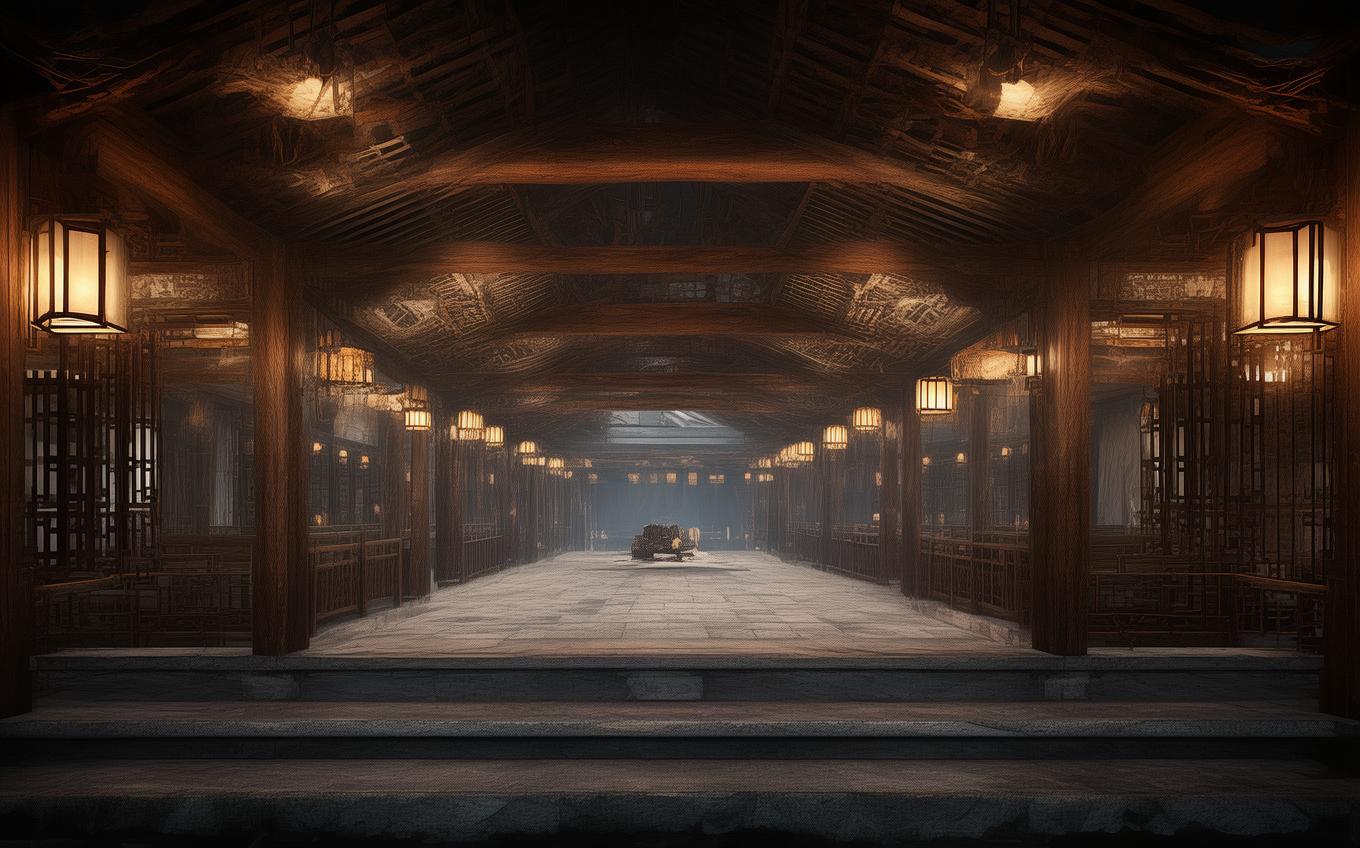
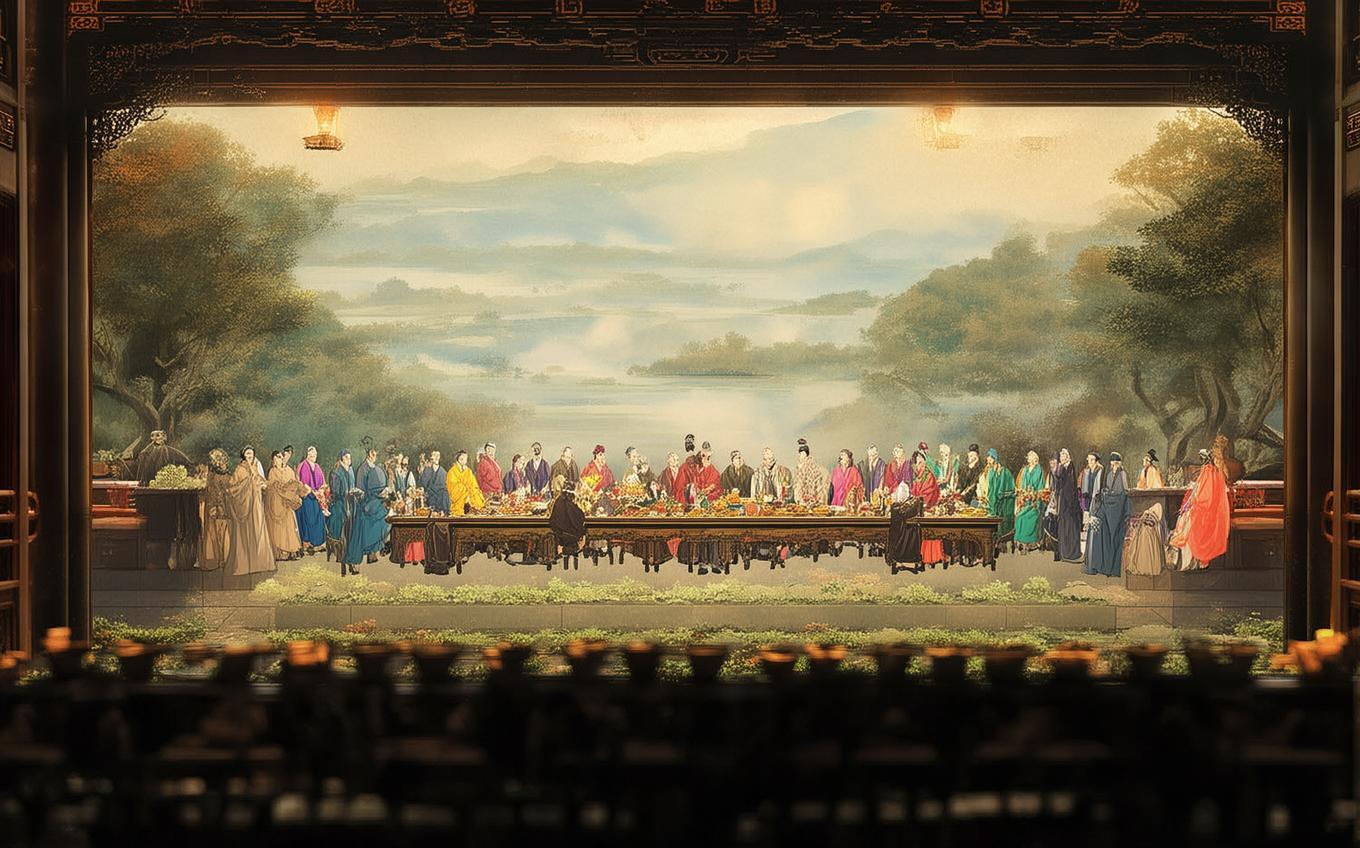
The poem "于太原召侍臣赐宴守岁" (At a Banquet in Taiyuan, Inviting Attendant Ministers to Stay Up on New Year's Eve) was composed by Emperor Taizong of the Tang Dynasty, Li Shimin (唐太宗李世民). He reigned from 626 to 649 and is celebrated as one of China’s greatest emperors, a brilliant military strategist and a patron of arts. This quatrain was written in the winter of 637, when the emperor returned to Taiyuan (in present-day Shanxi Province), the ancestral home and power base of the Tang imperial clan. He held a grand New Year's Eve banquet for his ministers, a gesture of imperial favor and a celebration of the dynasty’s stability. The poem captures that moment of transition from one year to the next, blending personal warmth with cosmic renewal. It holds a special place in Chinese literature as an elegant expression of the ancient custom of shousui (守岁), staying up all night to welcome the new year.
The Poem: Full Text and Translation
四时运灰琯,
Sì shí yùn huī guǎn,
The four seasons rotate like ash-tuned pitch-pipes,一夕变冬春。
Yī xī biàn dōng chūn.
On one single night winter turns into spring.送寒馀雪尽,
Sòng hán yú xuě jìn,
We send off the cold; the lingering snow melts away,迎岁早梅新。
Yíng suì zǎo méi xīn.
We greet the new year; early plum blossoms look fresh.
Line-by-Line Analysis
"四时运灰琯" – The opening line uses an ancient astronomical reference: huī guǎn (灰琯) were pitch-pipes filled with fine reed ash and placed in a sealed chamber to observe the vernal equinox. As the seasons cycled, the ash would subtly fly out at the precise moment of seasonal change. Here, the emperor describes the ceaseless movement of the four seasons as governed by this delicate cosmic mechanism. It immediately elevates the New Year’s Eve from mere festivity to a natural, almost sacred rhythm. The imagery is both scholarly and majestic, suited to an emperor who saw himself as the pivot between heaven and earth.
"一夕变冬春" – The second line pinpoints the transformative power of this one night. In the lunar calendar, the New Year marks the official boundary between winter and spring. The phrase “one single night” (一夕) emphasizes that the entire shift of seasons is concentrated in a single, fleeting moment. It carries a sense of awe: a whole winter’s harshness can be turned into the promise of spring simply by passing this threshold. Emotionally, it conveys hope, renewal, and the emperor’s consciousness of his role in shepherding his people from the darkness of the old year into the brightness of the new.
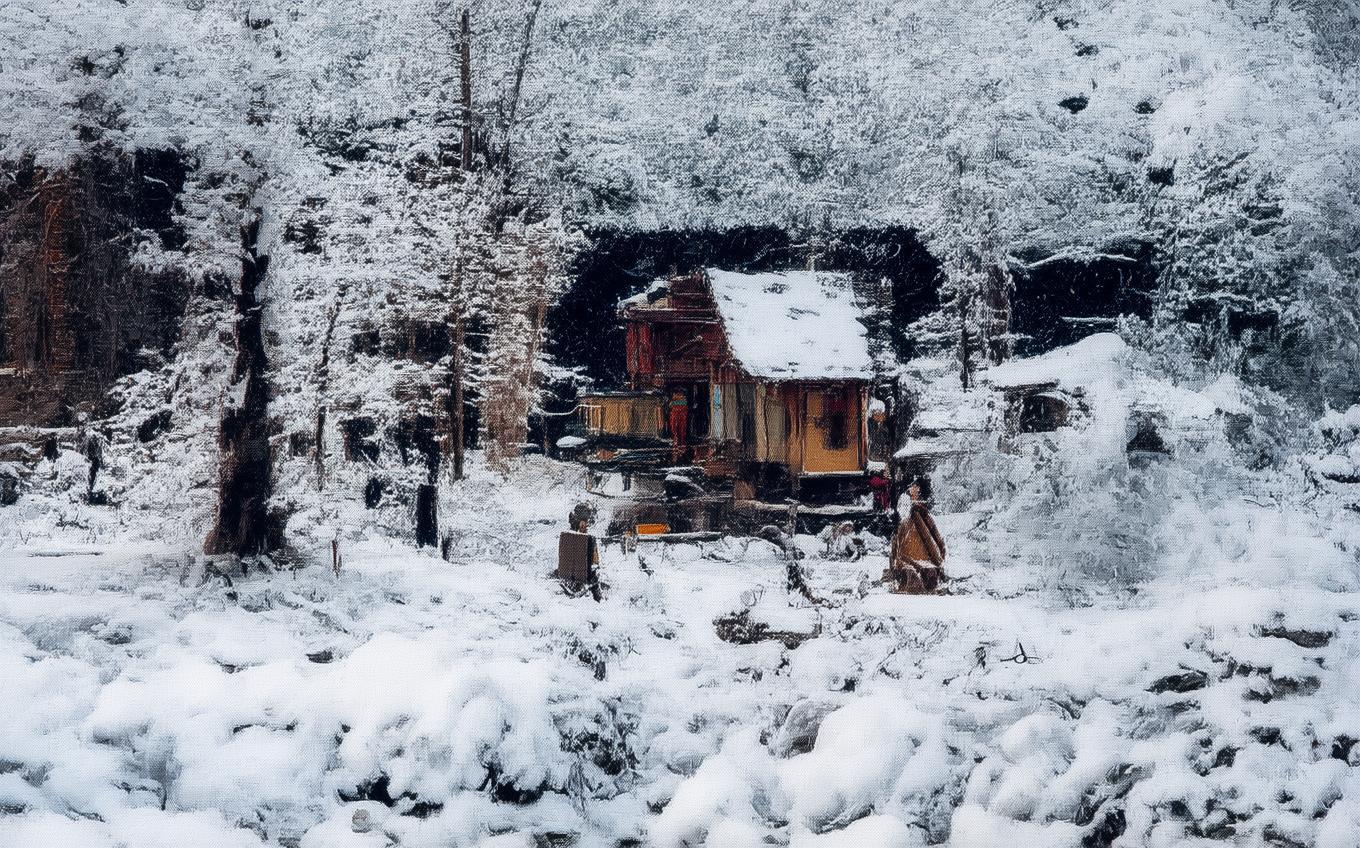
"送寒馀雪尽" – On a more immediate level, the third line bids farewell to the cold. The verb “送” (send off) is active and personal; it suggests that the emperor and his ministers collectively, through their banquet and their vigilance, drive away the remnants of winter. The “lingering snow” (馀雪) is not just weather but a metaphor for past troubles, stagnation, or even the hardship of recent military campaigns. Its disappearance signals a fresh start, both in nature and in the empire’s fortunes.
"迎岁早梅新" – The final line turns to a welcoming gesture. The “early plum blossom” (早梅) is one of the most beloved symbols in classical Chinese poetry: it blooms while snow still covers the ground, embodying resilience, purity, and a quiet announcement of spring’s arrival. Describing the blossoms as “new” (新) reinforces the theme of beginning afresh. By placing this image at the end, Emperor Taizong ends the poem on a note of quiet beauty and optimism, as if the plum flower itself were a gift to his loyal ministers.
Themes and Symbolism
Cyclical Time and Renewal: The poem pivots on the idea that time moves in a predictable, ordered cycle, symbolized by the ash-tuned pitch-pipes and the transition from winter to spring. Renewal is not random; it is woven into the fabric of the cosmos, and the emperor, by hosting this banquet, places himself and his court in harmony with that cosmic order.
The Passing of Hardship: Melting snow and departing cold are classic metaphors for the end of suffering. For an emperor who had seen decades of war before unifying China, this imagery held personal significance. The banquet was not only a seasonal festivity but a celebration of hard-won peace and prosperity under the Tang.
Imperial Grace and Community: The poem is a social act—a gift offered by the emperor to his attendant ministers. By including them in this intimate moment of “sending off the cold” and “greeting the new year,” Taizong strengthens the bond between ruler and officials. The plum blossom, unassuming yet noble, can also be read as a flattering portrait of the loyal ministers themselves, who like the flower blossom against adversity.
Plum Blossom (梅): The early plum (zǎo méi) is a crucial symbol. It blooms in late winter, signaling the nearness of spring. It stands for elegance, perseverance, and inner strength. In the context of an imperial banquet, it also carries an air of refined taste, reinforcing the cultivation and moral character expected of the court.
Cultural Context
The tradition of shousui (守岁) dates back to the Han Dynasty and remained popular through the Tang. On New Year’s Eve, families and, in this case, an emperor and his court, would stay awake all night, lighting lamps and candles, eating, drinking, and making merry to ward off evil spirits and welcome the new year. An emperor hosting such a banquet outside the capital, in the old military seat of Taiyuan, added a layer of nostalgic political symbolism. Taiyuan was where the Li family began their uprising that led to the Tang Dynasty. By holding the banquet there, Taizong honored the origins of his rule and reminded his ministers of their shared loyalty and destiny.
The poem also reflects a core Chinese value: aligning human activities with the rhythms of nature. The emperor, as the “Son of Heaven,” was expected to mediate between cosmic forces and earthly affairs. A poem like this, composed at a moment of seasonal transition, demonstrates his attunement to that role. The inclusion of court astronomers’ instruments (the ash-tuned pipes) further legitimizes his reign as one in accordance with the Mandate of Heaven.
Conclusion
Emperor Taizong’s short quatrain distills the grandeur of a New Year’s Eve imperial banquet into four clean, resonant lines. It moves from the abstract cosmic mechanism to a concrete, welcoming image of a plum blossom, from the vastness of time to the intimacy of a shared smile. The poem’s enduring appeal lies in its perfect balance between imperial authority and human warmth, between natural science and poetic sensibility. For contemporary readers, it offers a window into the Tang Dynasty’s sophistication and a timeless reminder that the passing of a single night can carry the weight of hope, renewal, and community. In that fleeting moment when winter turns to spring, we are all, emperor and commoner alike, invited to greet the new year with fresh eyes—like plum blossoms opening in the cold.
Comments (0)
No comments yet. Be the first to comment!