Introduction
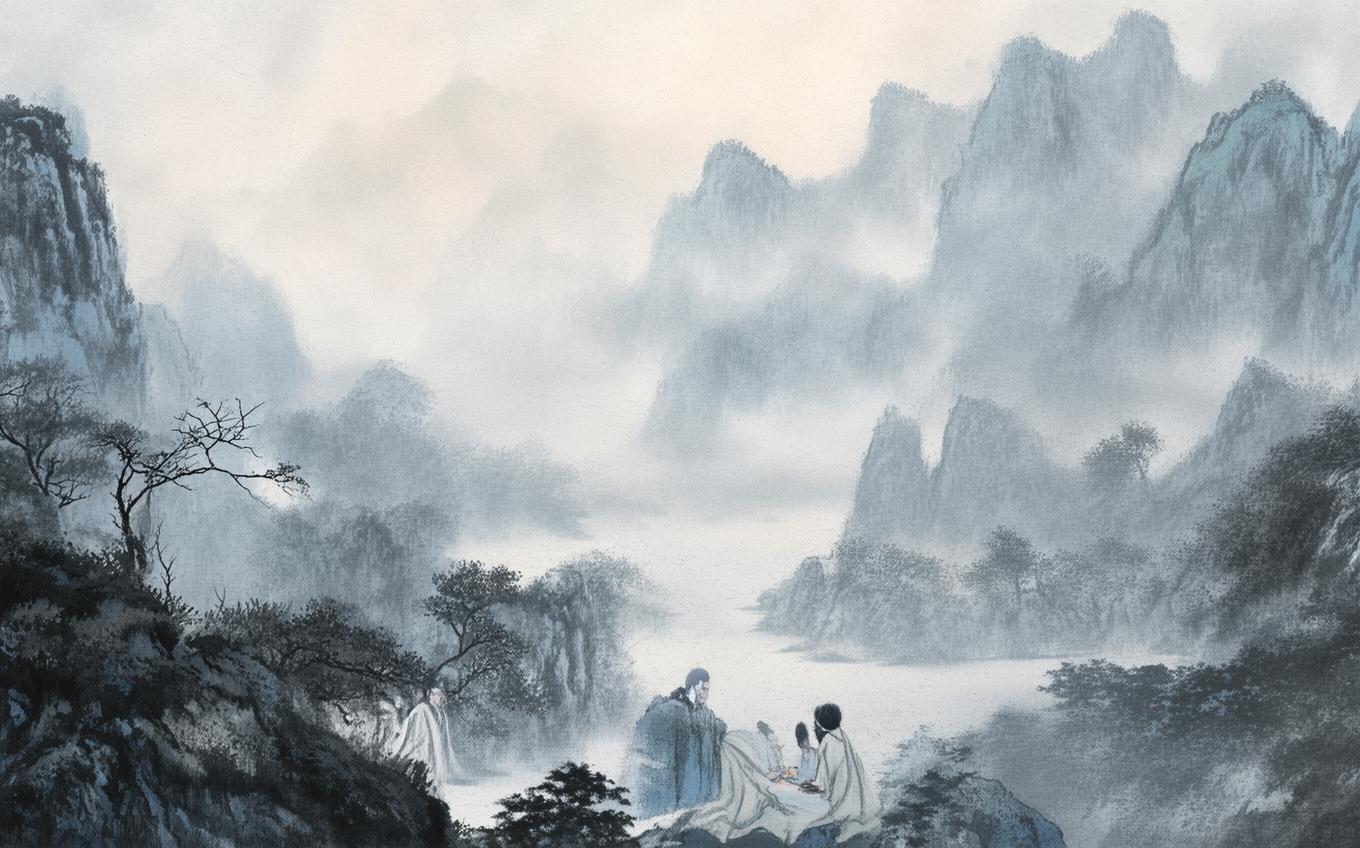
Among the many emperors in Chinese history who also wrote poetry, Tang Taizong (Emperor Taizong of Tang, 598–649 CE) stands out as both a brilliant ruler and a capable poet. His reign, known as the Zhenguan era, is often regarded as a golden age of effective governance, economic prosperity, and cultural flourishing. The poem “赐房玄龄” (Cì Fáng Xuánlíng) – “Presented to Fang Xuanling” – is a short quatrain that Taizong personally composed for his trusted chancellor, Fang Xuanling (578–648 CE). Fang was one of the architects of the Zhenguan administration, renowned for his tireless work ethic, strategic mind, and loyalty. In this deceptively simple poem, the emperor not only praises his minister’s exceptional talent but also immortalises the spirit of diligent public service that defined their partnership. For modern readers, the poem offers a intimate glimpse into the ideal relationship between a ruler and his ministers in classical Chinese political thought.
The Poem: Full Text and Translation
太液仙舟迥
Tài yè xiān zhōu jiǒng
The immortal boat on Taiye Lake is far away.
西园引上才
Xī yuán yǐn shàng cái
The West Garden draws in superior talents.
未晓征车发
Wèi xiǎo zhēng chē fā
Before dawn, the official carriage sets out;
鸡鸣关早开
Jī míng guān zǎo kāi
At cockcrow, the palace gate opens early.
Line-by-Line Analysis
“太液仙舟迥” – The distant immortal boat
Taiye Lake was a scenic pond inside the imperial palace compound, often associated with leisure and the carefree elegance of immortals who drift on painted boats. The adjective “仙” (immortal, fairy-like) elevates the boat to something ethereal, suggesting a world of detachment from mundane affairs. The crucial word here is “迥” (jiǒng – distant, far away). It implies that this leisurely, immortal boat is kept at a distance – the emperor is not idly cruising on it. Instead, his attention is somewhere far more serious: the business of recruiting and honouring capable men. This line sets up a visual contrast between a tranquil palace scene and the restless energy of governance that will unfold in the next lines.
“西园引上才” – The West Garden attracts top talent
“西园” (West Garden) is a culturally rich allusion to the late Han dynasty warlord Cao Cao, who built a West Garden where he gathered distinguished scholars, poets, and strategists. By invoking this historical parallel, Taizong casts his own court as a new West Garden – a magnetic centre that draws “上才” (superior talents). The line is both a compliment to Fang Xuanling (for being one such superior talent) and a statement of the emperor’s own willingness to seek out and honour merit. Notice the elegant pivot: while the immortal boat is distant, the West Garden is actively “drawing in” excellence. The dynasty’s strength lies not in divine leisure but in human capability and mutual loyalty.
“未晓征车发” – The carriage before dawn
“未晓” (wèi xiǎo) means “before the sky brightens” – still deep in the early morning darkness. “征车” originally refers to a cart for a long journey or a military expedition, but here it stands for the stately carriage of a high official heading to court. The verb “发” (sets out, departs) paints a picture of movement that begins in the predawn silence. The subject is Fang Xuanling himself: without waiting for the comfort of daylight, he is already on his way to the palace to attend to state affairs. It is a portrait of dedication that needs no overt praise; the image alone conveys a life of unremitting duty.
“鸡鸣关早开” – The gate opens at cockcrow
“鸡鸣” (rooster’s crow) was the traditional signal of daybreak, and in ancient China it marked the time when city gates and palace gates would normally open. Here, however, the palace gate (“关”) opens early – as soon as the rooster crows, or perhaps even before, precisely because the chancellor has arrived. The line implies that Fang Xuanling is so punctual and so eager to serve that his approach coincides with the very first moment the gate can be opened. The emperor, who holds the authority over these gates, is essentially saying: “For you, the gate swings open at the earliest possible hour.” The closing image fuses the physical act of opening a door with a deeper recognition – the sovereign himself honours Fang’s diligence by removing every obstacle to his service.
Themes and Symbolism
The supremacy of merit and diligence
The poem is a celebration of talent (“上才”) and the work ethic that turns talent into national strength. Fang Xuanling’s pre-dawn departures and early arrivals symbolise a life devoted to the state, entirely stripped of personal indulgence. The distant immortal boat reinforces this theme by contrast: true worth is not found in ethereal leisure but in the steady, self-disciplined labour of governance.
The ideal ruler-minister bond
In Confucian political thought, a wise ruler and a worthy minister are like a perfect matched pair. Tang Taizong’s poem is an act of personal recognition – the emperor notices the exact time his chancellor begins work, imagines his journey through the dark streets, and ensures the gate opens just for him. This warmth transforms an official relationship into a kind of aristocratic friendship, embodying the ideal of “君臣相得” (lord and vassal in mutual accord).
The symbolic function of space
The poem moves through three symbolic spaces: the detached beauty of Taiye Lake (leisure, withdrawal), the gathering hub of West Garden (talent cultivation), and finally the palace gate (the threshold of power and duty). Fang Xuanling’s carriage traverses from the outside world into the heart of the empire, welcomed by the gate that represents imperial authority. The journey becomes a metaphor for the chancellor’s unceasing commitment to reach the centre of responsibility.
Cultural Context
The Tang dynasty (618–907 CE) inherited and refined the Chinese tradition of using poetry as a tool of statecraft. It was not uncommon for emperors to compose poems to reward, console, or instruct their ministers, and such pieces were treasured as marks of supreme favour. Fang Xuanling, who had served Tang Taizong even before he became emperor, was known for his habit of rising extremely early to review documents and receive petitioners. Historical records attest that he would often be at the palace before dawn, so much so that Taizong once ordered a special bed placed in the imperial offices so that Fang could rest briefly when needed – a gesture of care echoed in the poem’s “early opening gate”.
The poem also reflects the Zhenguan era’s spirit of collective governance. Taizong famously believed that a mirror could be used to adjust one’s attire, and history to adjust governance – but a minister like Fang Xuanling was a living mirror for the ruler’s own character. “赐房玄龄” is therefore not merely a commendation of one man; it is a microcosm of the political philosophy that made the Tang empire prosperous: value talent, reward industry, and let the door of opportunity open before the sun rises.
Conclusion
“赐房玄龄” captures an entire world in just twenty Chinese characters. The misty lake of immortals, the hall of gathered genius, the silent carriage rolling through dark streets, the crisp crow of a rooster and the creak of an opening gate – each image is precise, layered, and deeply humane. For English-speaking lovers of Chinese culture, this poem offers an entry point into the ethos of Tang governance, where poetry was not an ornament but a bond of honour between ruler and minister. Today, when we think of public service and dedication, the chancellor’s carriage still seems to set out “before the sky knows it is morning,” reminding us that great societies are built on the quiet, constant labour of those who rise earliest to serve.

Comments (0)
No comments yet. Be the first to comment!