1. Basic Information
- Word: 宝宝
- Pinyin: bǎobǎo (Note: due to tone sandhi, the two third tones are pronounced as báobǎo, but the written pinyin retains the original tones for clarity.)
- Literal Meaning: “Treasure treasure” or “precious precious”
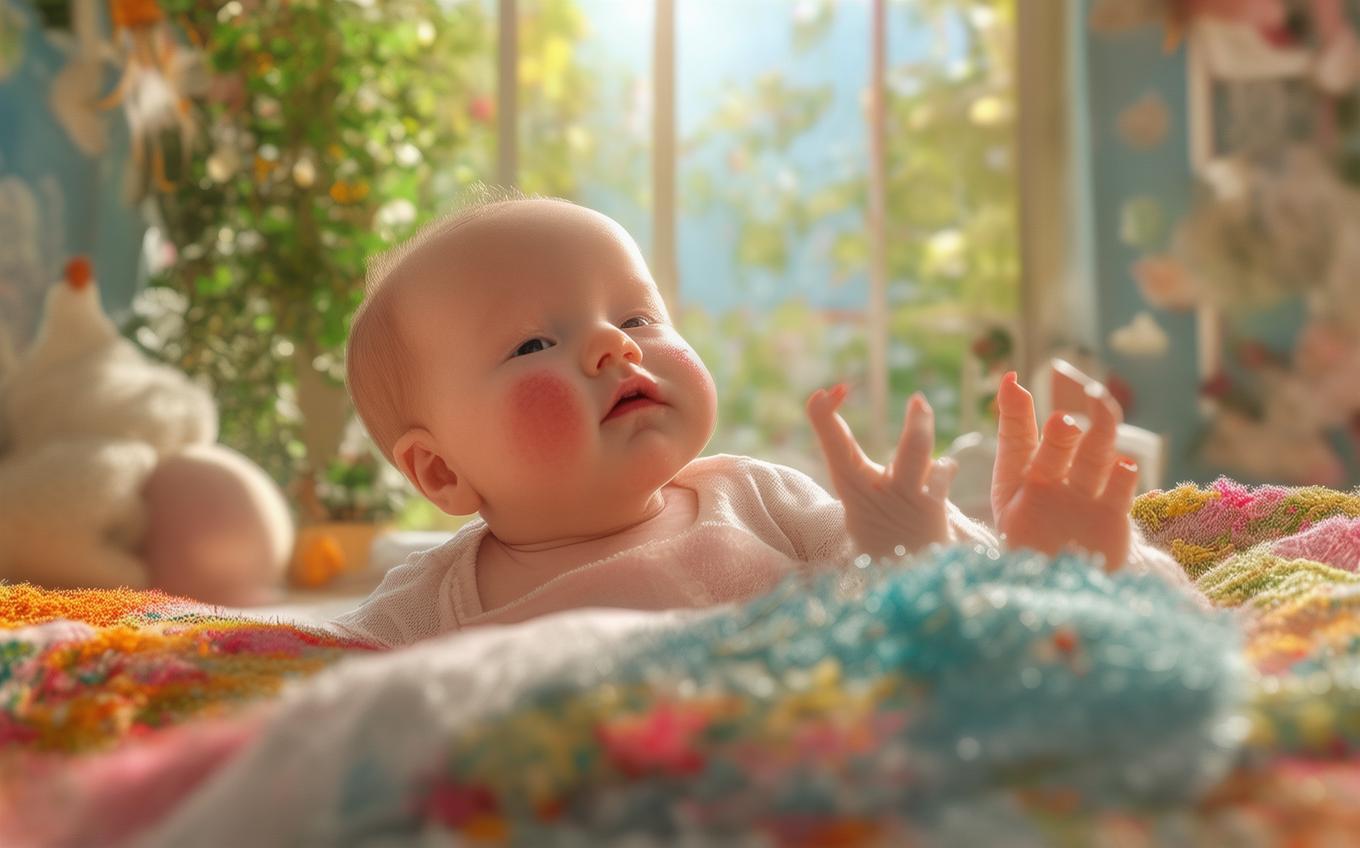
- Primary Meaning: Baby; a term of endearment meaning “darling”, “sweetheart”, or “little one”
2. In-depth Explanation
- Context and Usage
The word 宝宝 (bǎobǎo) is a warm, affectionate term widely used in Chinese. Its core meaning is “baby”, typically referring to an infant or very young child. However, its usage extends well beyond literal babies: - Babies and toddlers: It’s the go‑to word for referring to someone’s baby, much like “baby” in English.
- Term of endearment: Couples often call each other 宝宝 to express love and fondness, similar to “babe”, “darling”, or “sweetheart”.
- Pets and beloved objects: Just as English speakers might call a pet “my baby”, Chinese speakers say 宝宝 for their cats, dogs, or even cherished possessions.
-
Internet slang: In online communities, using 宝宝 in a playful, self‑referential way is trendy. For example, someone might say “本宝宝” (běn bǎobǎo, “this baby”) to talk about themselves in a cute, light‑hearted manner.
The tone is always gentle, loving, and slightly intimate. It’s not formal; it belongs in family settings, close relationships, and casual online chatter. Use it when you want to convey care, affection, or playful tenderness. -
Character Breakdown
宝宝 is a reduplicated word, formed by repeating the character 宝 (bǎo). Reduplication is a common feature in Chinese for creating affectionate or diminutive terms. - 宝 (bǎo): Means “treasure”, “precious”, or “valuable object”. By itself, it can refer to something cherished.
- When doubled to 宝宝, the meaning intensifies into “a precious little being”, emphasizing the person (or pet) is as dear as a treasure. The repetition softens the word and adds a sense of endearment and intimacy, making it ideal for little children or loved ones.
3. Example Sentences
-
Chinese: 宝宝在摇篮里甜甜地睡觉。
Pinyin: Bǎobǎo zài yáolán lǐ tiántián de shuìjiào.
English: The baby is sleeping sweetly in the cradle. -
Chinese: 每天下班回家,老公都会叫我“宝宝”。
Pinyin: Měitiān xiàbān huíjiā, lǎogōng dōu huì jiào wǒ “bǎobǎo”.
English: Every day when I get home from work, my husband calls me “baby”. -
Chinese: 她的小狗就是她的宝宝,连吃饭都抱着。
Pinyin: Tā de xiǎo gǒu jiù shì tā de bǎobǎo, lián chīfàn dōu bào zhe.
English: Her little dog is her baby; she even holds it while eating.
Cultural Notes
In Chinese culture, family bonds and expressions of affection are deeply valued, and language often reflects this through reduplicated kinship terms and pet names (e.g., 妈妈 māma, 爸爸 bàba). 宝宝 fits perfectly into that pattern as a term that instantly softens a conversation.
A modern cultural twist is the “本宝宝” (běn bǎobǎo) trend among younger internet users, where people whimsically refer to themselves in the third person as “this baby” to sound cute or to downplay a complaint. For example, “本宝宝不开心” (běn bǎobǎo bù kāixīn) means “This baby is not happy.” It’s a playful, light‑hearted way to express oneself online, and understanding it helps learners grasp the living, evolving nature of Chinese informal speech.
Conclusion
Remember 宝宝 as the go‑to word for “baby” in Chinese, but with the extra warmth of calling someone a “precious treasure.” Whether you’re talking about a real infant, your significant other, a fluffy pet, or even yourself in a cheeky online post, 宝宝 carries a gentle, affectionate tone that instantly makes the expression more intimate and caring.
Sources and Further Reading
Dictionary links are provided for independent reference. Example sentences and learning notes on this page are educational explanations rather than dictionary quotations.


Comments (0)
No comments yet. Be the first to comment!