Title: Understanding "宝石" - Chinese Word Explanation
1. Basic Information
- Word: 宝石
- Pinyin: bǎoshí
- Literal Meaning: treasure stone
- Primary Meaning: gem, precious stone, jewel
2. In-depth Explanation
- Context and Usage:
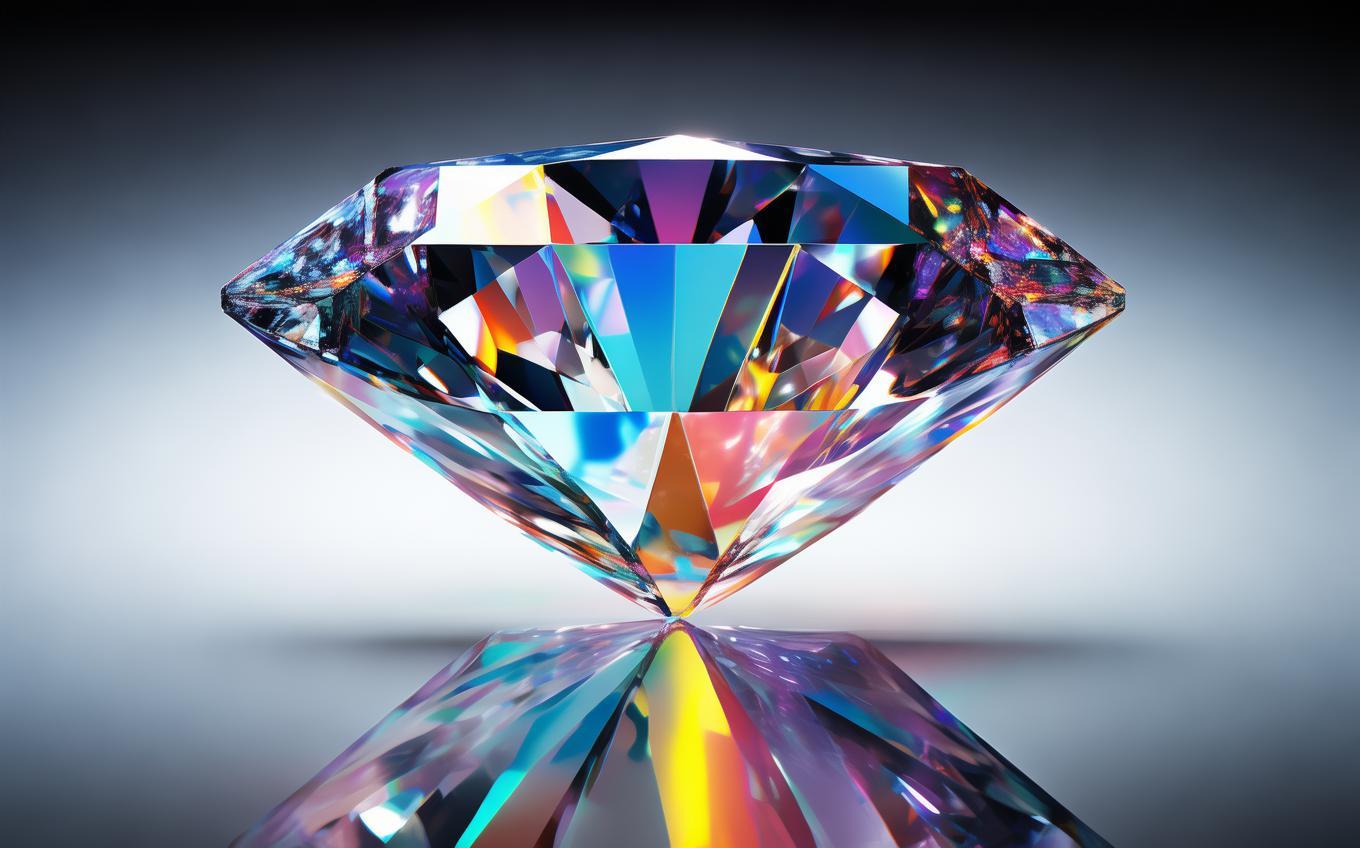
"宝石" refers to any naturally occurring mineral or organic material that is cut, polished, and used in jewelry or decoration due to its beauty, rarity, and durability. It can be used both literally (a physical gemstone like a diamond or emerald) and figuratively (describing something or someone as precious or outstanding). The word is common in everyday speech when discussing jewelry, collections, or metaphors, and it carries a sense of elegance and value.
Unlike the English word "gem," which can also mean something excellent of its kind, "宝石" in figurative use often retains a strong literal connection to sparkling, treasured beauty. For example, you might call a lake "a gem" in English, but in Chinese, "宝石" would be used only if the lake's sparkling appearance really suggests a jewel; otherwise, a more abstract "瑰宝" (guībǎo) might be preferred for cultural heritage, etc.
- Character Breakdown:
- 宝 (bǎo): treasure, precious, valuable. This character originally depicted a house with jade and cowrie shells (ancient money), symbolizing wealth. It conveys something highly cherished and protected.
- 石 (shí): stone, rock. A simple pictograph of a stone under a cliff. It classifies the word as belonging to the mineral realm.
Together, “treasure stone” perfectly captures the essence of a gemstone.
3. Example Sentences
-
Chinese: 她戴着一枚镶有红宝石的戒指。
Pinyin: Tā dài zhe yī méi xiāng yǒu hóng bǎoshí de jièzhi.
English: She is wearing a ring set with a ruby. -
Chinese: 博物馆里展出了许多罕见的宝石,其中最引人注目的是一颗蓝宝石。
Pinyin: Bówùguǎn lǐ zhǎnchū le xǔduō hǎnjiàn de bǎoshí, qízhōng zuì yǐnrén zhùmù de shì yī kē lán bǎoshí.
English: The museum exhibited many rare gemstones, and the most eye-catching one was a sapphire. -
Chinese: 她的眼睛像两颗明亮的宝石,闪烁着光芒。
Pinyin: Tā de yǎnjīng xiàng liǎng kē míngliàng de bǎoshí, shǎnshuò zhe guāngmáng.
English: Her eyes are like two bright gems, sparkling with light.
Cultural Notes
In Chinese culture, gemstones are deeply intertwined with symbolism and traditional beliefs. Jade (玉, yù), though technically not always a crystalline "宝石" in the modern gemological sense, is historically the most revered stone, embodying moral integrity and nobility. However, when Chinese speakers say "宝石," they typically refer to transparent, faceted stones like diamonds, rubies, and sapphires — a category that became highly popular through Western influence. The concept of birthstones has also been adopted, and certain gemstones are associated with luck, protection, or healing in folk customs. The phrase "宝石" frequently appears in classical poetry and modern song lyrics to describe brilliant beauty or priceless moments.
Conclusion
"宝石" (bǎoshí) is your go-to word for any precious stone that shimmers and shines — from a diamond in an engagement ring to a metaphor for dazzling eyes. Remember the two characters: "treasure" (宝) + "stone" (石) = gem. Its straightforward composition makes it easy to recall, and its rich cultural backdrop adds depth to your understanding of Chinese values surrounding beauty and worth.
Sources and Further Reading
Dictionary links are provided for independent reference. Example sentences and learning notes on this page are educational explanations rather than dictionary quotations.
Comments (0)
No comments yet. Be the first to comment!