1. Basic Information
- Word: 宝库
- Pinyin: bǎo kù
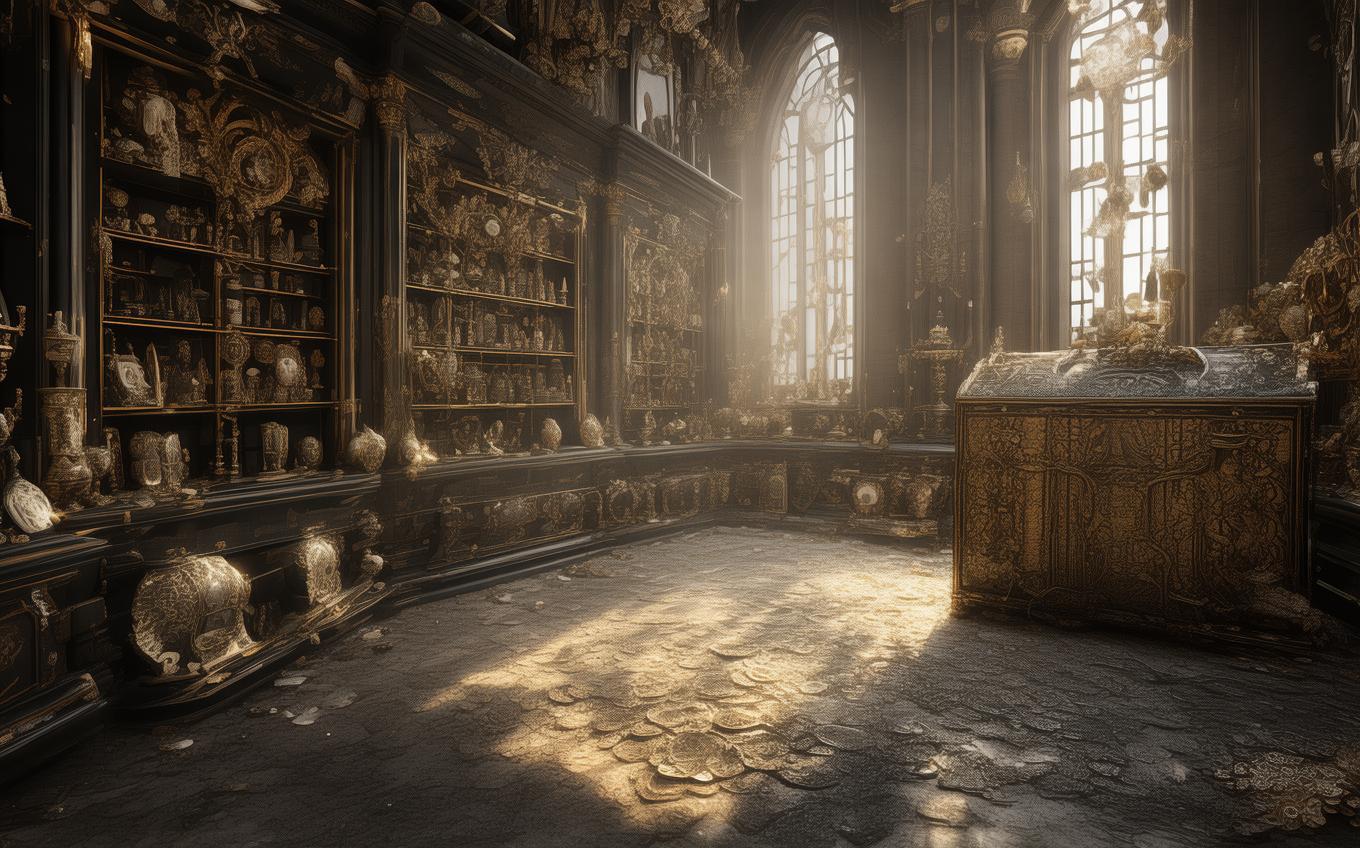
- Literal Meaning: treasure vault / treasure storage
- Primary Meaning: a treasure house; a treasury; a storehouse of valuable things (used both literally for a physical place holding treasures, and figuratively for a rich collection or repository of knowledge, culture, art, etc.)
2. In-depth Explanation
-
Context and Usage:
The word 宝库 (bǎo kù) refers to a place where treasures or valuable items are stored. In modern Chinese, it is used both literally and metaphorically.
Literally, it can describe a physical room or building that holds precious objects—like a museum’s vault, a royal treasury, or a secure storage for gold and jewels.
Metaphorically, it is widely used to refer to a rich collection or source of intangible things: a "treasure trove" of information, wisdom, literature, or cultural heritage. For example, a library might be called a "知识宝库" (zhī shi bǎo kù) – a treasure house of knowledge. The word carries a positive and somewhat grand connotation, implying abundance, value, and careful preservation. It is typically more formal or literary than casual everyday speech, but still quite common in written and spoken Chinese when one wants to emphasize the preciousness of a collection. -
Character Breakdown:
- 宝 (bǎo): treasure, precious. This character originally depicts a roof covering jade and cowrie shells, symbolizing valuable things in a house. It is used in many words related to treasure, jewels, and precious items.
- 库 (kù): warehouse, storehouse, depot. It means a place for storing goods or supplies, like a depot or a safe. Together, 宝库 is literally a storehouse for treasures.
3. Example Sentences
-
Chinese: 这座图书馆真是知识的宝库。
Pinyin: Zhè zuò tú shū guǎn zhēn shì zhī shi de bǎo kù.
English: This library is truly a treasure house of knowledge. -
Chinese: 故宫博物院里藏有许多古代宝库。
Pinyin: Gù gōng bó wù yuàn lǐ cáng yǒu xǔ duō gǔ dài bǎo kù.
English: The Palace Museum houses many ancient treasure vaults. -
Chinese: 民间传说中,海盗把金子埋在一个秘密宝库里。
Pinyin: Mín jiān chuán shuō zhōng, hǎi dào bǎ jīn zi mái zài yī ge mì mì bǎo kù lǐ.
English: In folklore, pirates buried gold in a secret treasure house.
Cultural Notes
In traditional Chinese culture, 宝库 often referred to the imperial treasury or the storehouses of wealthy merchants, where gold, silver, silk, and precious objects were kept. The concept of a hidden 宝库 also appears in many Chinese legends and novels, such as Journey to the West, where mythical palaces contain celestial treasures.
In modern usage, the term is frequently employed to describe intangible cultural wealth. For instance, China’s intangible cultural heritage is described as a "文化宝库" (cultural treasure house). This reflects the high value placed on preserving and accumulating wisdom and art over centuries. The word can also be used in a personal sense, like calling an elder’s mind a "宝库" of lived experience and stories.
Conclusion
To remember 宝库, combine "treasure" (宝) and "storehouse" (库). Think of it as a secure, rich place full of precious things—whether gold in a vault, books in a library, or ideas in a culture. It’s a vivid, positive metaphor that you’ll often encounter when Chinese speakers talk about a rich source of something valuable.
Sources and Further Reading
Dictionary links are provided for independent reference. Example sentences and learning notes on this page are educational explanations rather than dictionary quotations.

Comments (0)
No comments yet. Be the first to comment!