1. Basic Information
- Word: 饱经沧桑
- Pinyin: bǎo jīng cāng sāng
- Literal Meaning: "Full" + "experience" + "vicissitudes" (literally "full of experiencing the changes of the sea and mulberry fields")
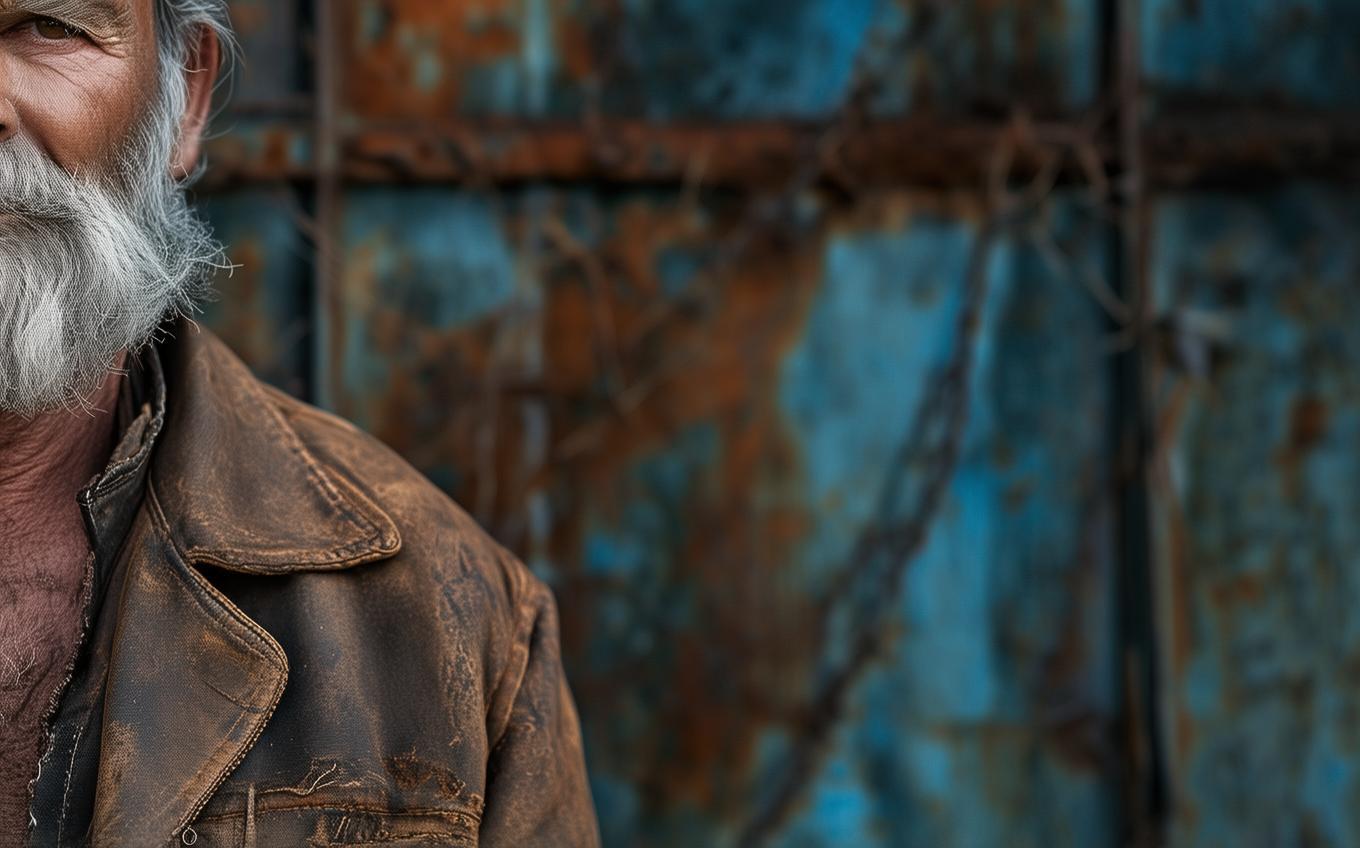
- Primary Meaning: To have experienced many hardships and profound changes in life; to be seasoned by life’s ups and downs and show the marks of those experiences (often describing a person’s weathered appearance or inner depth).
2. In-depth Explanation
-
Context and Usage:
This is an idiomatic phrase, usually used as an adjective phrase to describe a person, their face, eyes, voice, or sometimes an object that has endured a long and turbulent history. It implies a depth that comes from having gone through significant suffering, loss, or transformation. It carries a tone of respect, melancholy, or poetic reflection. You might say an old man’s face is “饱经沧桑” – it doesn’t just mean he’s old, but that his face tells a story of a difficult life. It is typically used in formal writing, literature, or serious speech, not in casual daily chat. -
Character Breakdown:
- 饱 (bǎo): full, ample, having had one’s fill. Here it means "fully" or "thoroughly".
- 经 (jīng): to pass through, to experience, to undergo.
- 沧桑 (cāng sāng): This is a shortened form of the idiom 沧海桑田 (cāng hǎi sāng tián), which literally means “the blue sea turned into mulberry fields.” It symbolizes drastic changes over time, the vicissitudes of life, the impermanence of the world.
So together, 饱经沧桑 means “having fully undergone the great upheavals of time and life.”
3. Example Sentences
-
Chinese: 他那双饱经沧桑的眼睛里,藏着无数故事。
Pinyin: Tā nà shuāng bǎo jīng cāng sāng de yǎnjīng lǐ, cángzhe wúshù gùshì.
English: In his pair of eyes that have seen so much of life’s hardships, countless stories are hidden. -
Chinese: 这位饱经沧桑的老人,依旧每天微笑着面对生活。
Pinyin: Zhè wèi bǎo jīng cāng sāng de lǎorén, yījiù měitiān wēixiàozhe miànduì shēnghuó.
English: This old man, who has been through so many ups and downs, still smiles at life every day. -
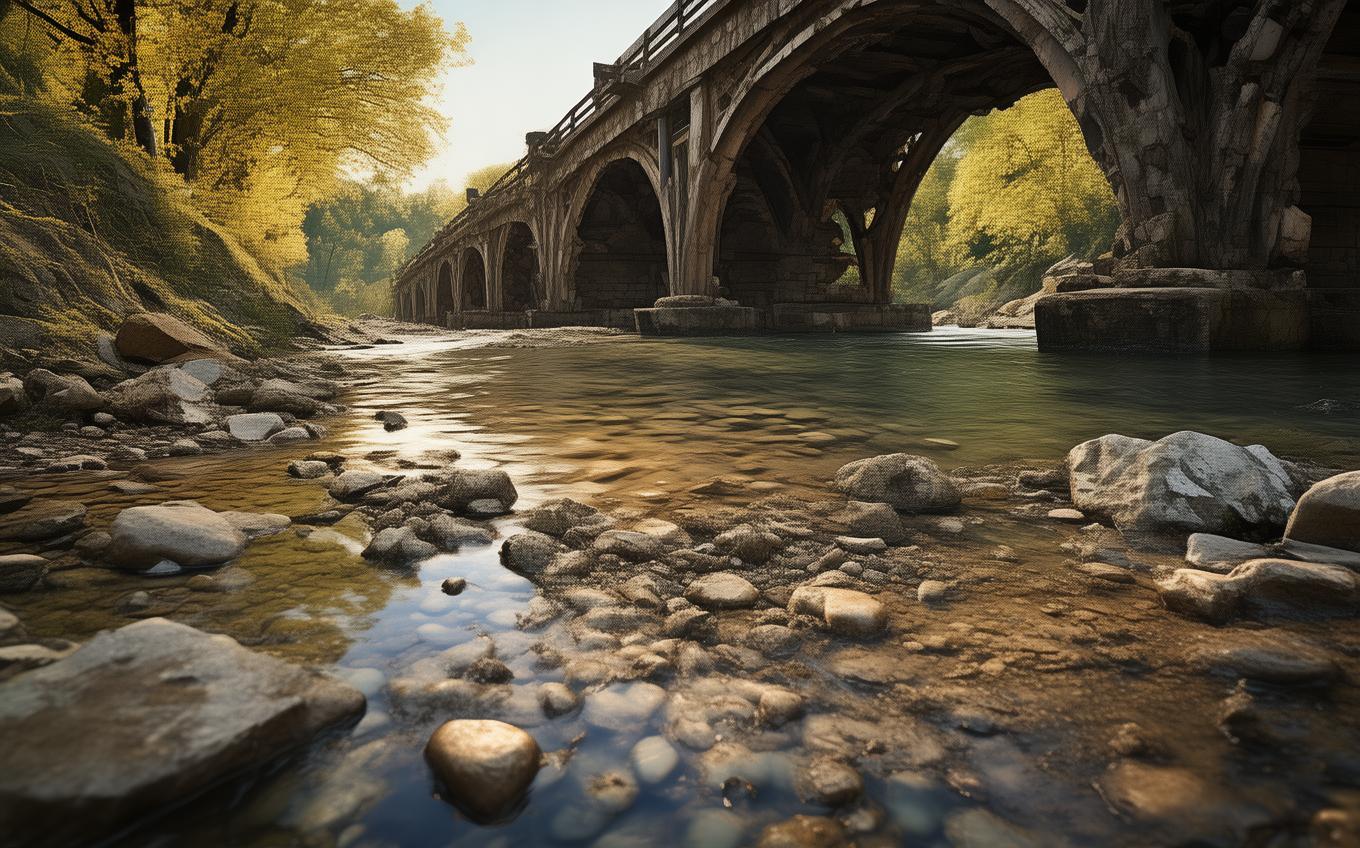
Chinese: 这座古城饱经沧桑,却依然保留着当年的风貌。
Pinyin: Zhè zuò gǔ chéng bǎo jīng cāng sāng, què yīrán bǎoliú zhe dāngnián de fēngmào.
English: This ancient city has weathered great changes over the centuries, yet it still retains its original appearance.
Cultural Notes
The core image comes from the ancient Chinese idiom 沧海桑田 (cāng hǎi sāng tián), recorded in Taoist texts and classical literature. It describes how the world transforms over immense stretches of time: a vast ocean becomes mulberry fields (and vice versa). This imagery is deeply rooted in the Chinese perception of time and impermanence. Thus, when you say someone is 饱经沧桑, you are not just saying they are aged, but that they have lived through dramatic shifts — historical, personal, or spiritual — and carry that wisdom and weariness. The phrase often evokes a quiet respect for endurance.
Conclusion
Remember 饱经沧桑 as a poetic, respectful way to describe a person or thing that has been deeply marked by life’s turbulent changes. Think of a face etched with lines that whisper a long, eventful journey. Use it when you want to convey not just age, but a profound, almost noble experience of hardship and transformation.
Sources and Further Reading
Dictionary links are provided for independent reference. Example sentences and learning notes on this page are educational explanations rather than dictionary quotations.

Comments (0)
No comments yet. Be the first to comment!