Introduction
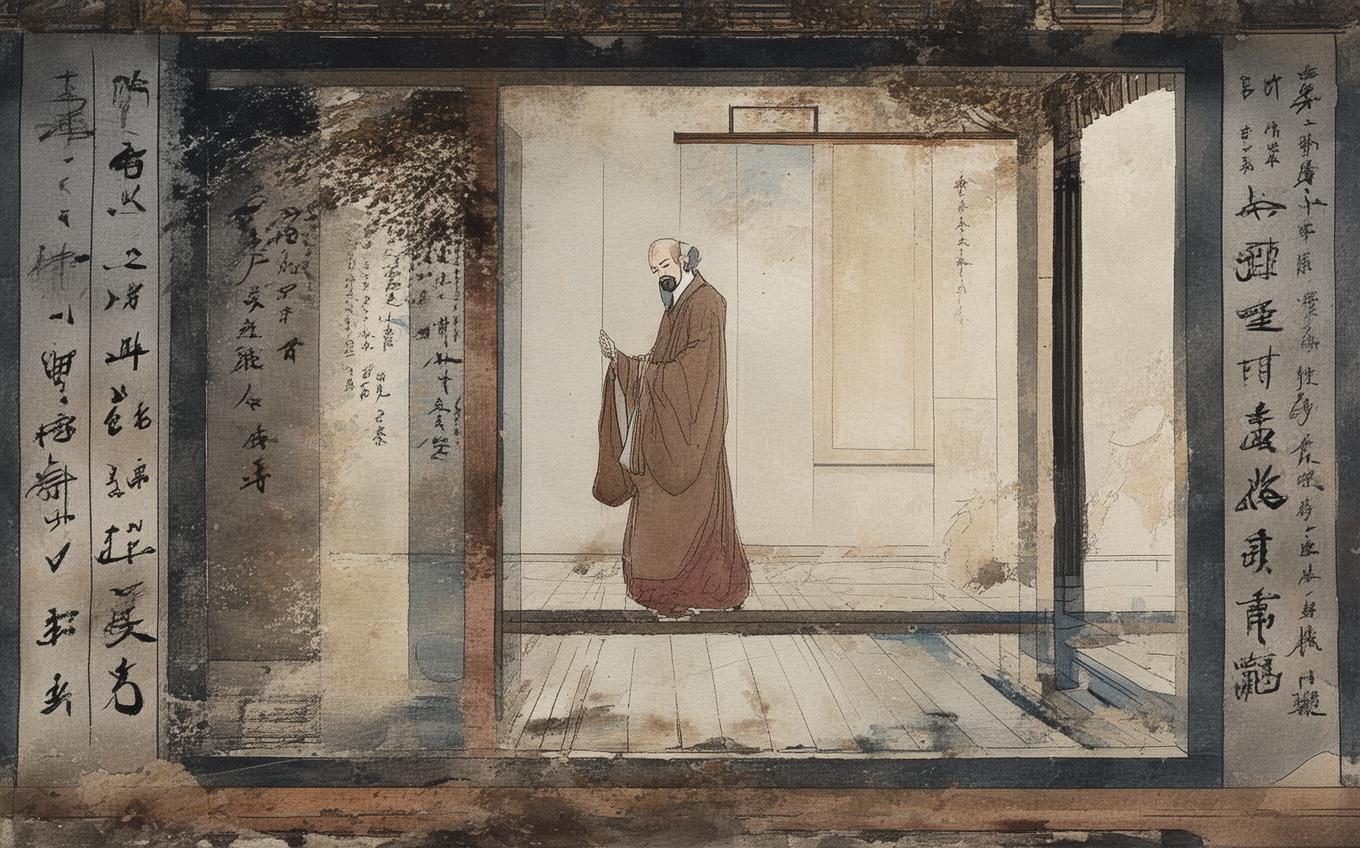
In the flourishing cultural landscape of Tang Dynasty China (618–907), poetry and Buddhism often walked hand in hand. Li Qi (李颀, c. 690–751), a poet known for his evocative landscape imagery and deep fascination with spiritual retreat, composed the poem “Yè Cí’ēn Sì Tí Zàng Fǎshī Fáng” (谒慈恩寺题奘法师房). The title translates to “Visiting Ci’en Temple and Inscribing on Master Xuanzang’s Room.” The Ci’en Temple (Temple of Great Maternal Grace) in Chang’an was the very place where the legendary monk Xuanzang (奘法师, 602–664) lived and translated the Buddhist scriptures he brought back from India. By Li Qi’s time, Xuanzang had passed away, but his room remained a sacred site—a quiet seal of pilgrimage for those seeking wisdom and peace.
Though the poem never names Xuanzang directly, it is drenched in the atmosphere of his spiritual legacy. Li Qi fuses a midday walk through temple‑ground mountains with a dreamlike journey, ultimately arriving at a serene detachment from official life. For English-speaking readers, this poem opens a window onto how Tang poets wove personal melancholy, nature, and Buddhist‑Daoist mysticism into a single, luminous thread.
The Poem: Full Text and Translation
停午闻山钟
Tíng wǔ wén shān zhōng
At noon I heard the mountain bell.起步散愁疾
Qǐ bù sàn chóu jí
I rose and walked to scatter the ache of sorrow.寻林采芝去
Xún lín cǎi zhī qù
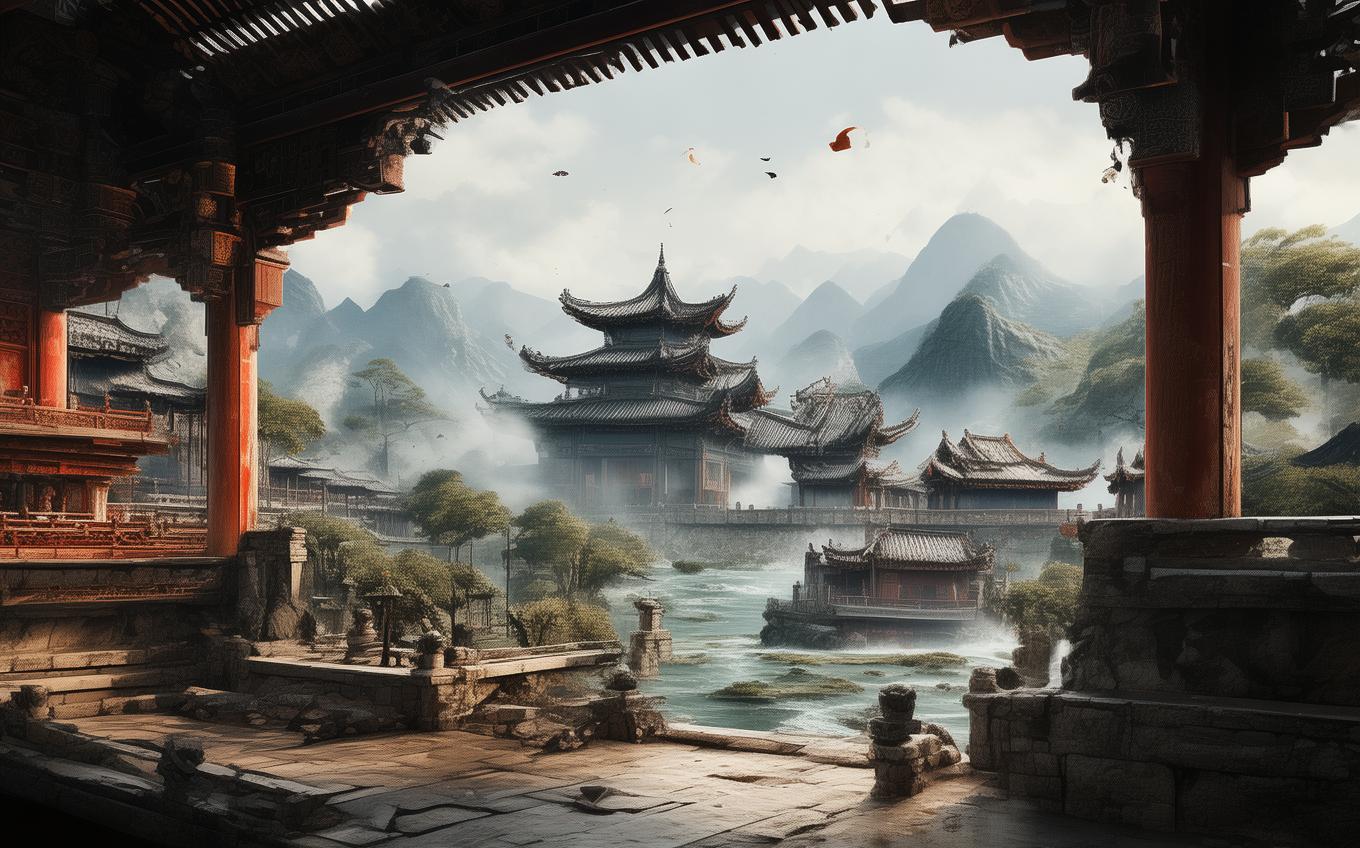
Seeking the woods, I went to gather the magic fungus—谷转云深密
Gǔ zhuǎn yún shēn mì
The valley twisted, clouds deeply dense.往往见石桥
Wǎng wǎng jiàn shí qiáo
From time to time I glimpsed a stone bridge,时时闻仙实
Shí shí wén xiān shí
Now and then heard tell of immortal fruit.梦中过平野
Mèng zhōng guò píng yě
In a dream I crossed a wide, flat plain;觉后寻山迹
Jué hòu xún shān jì
Awake, I sought the mountain’s traces.却顾宦游子
Què gù huàn yóu zǐ
Turning back, I gaze at the official roaming far from home—眇然心自适
Miǎo rán xīn zì shì
Distantly, my heart finds its own ease.
Line‑by‑Line Analysis
“At noon I heard the mountain bell.”
The poem opens with a sudden sensory event: the tolling of a temple bell at midday. In Chinese Buddhist
Comments (0)
No comments yet. Be the first to comment!