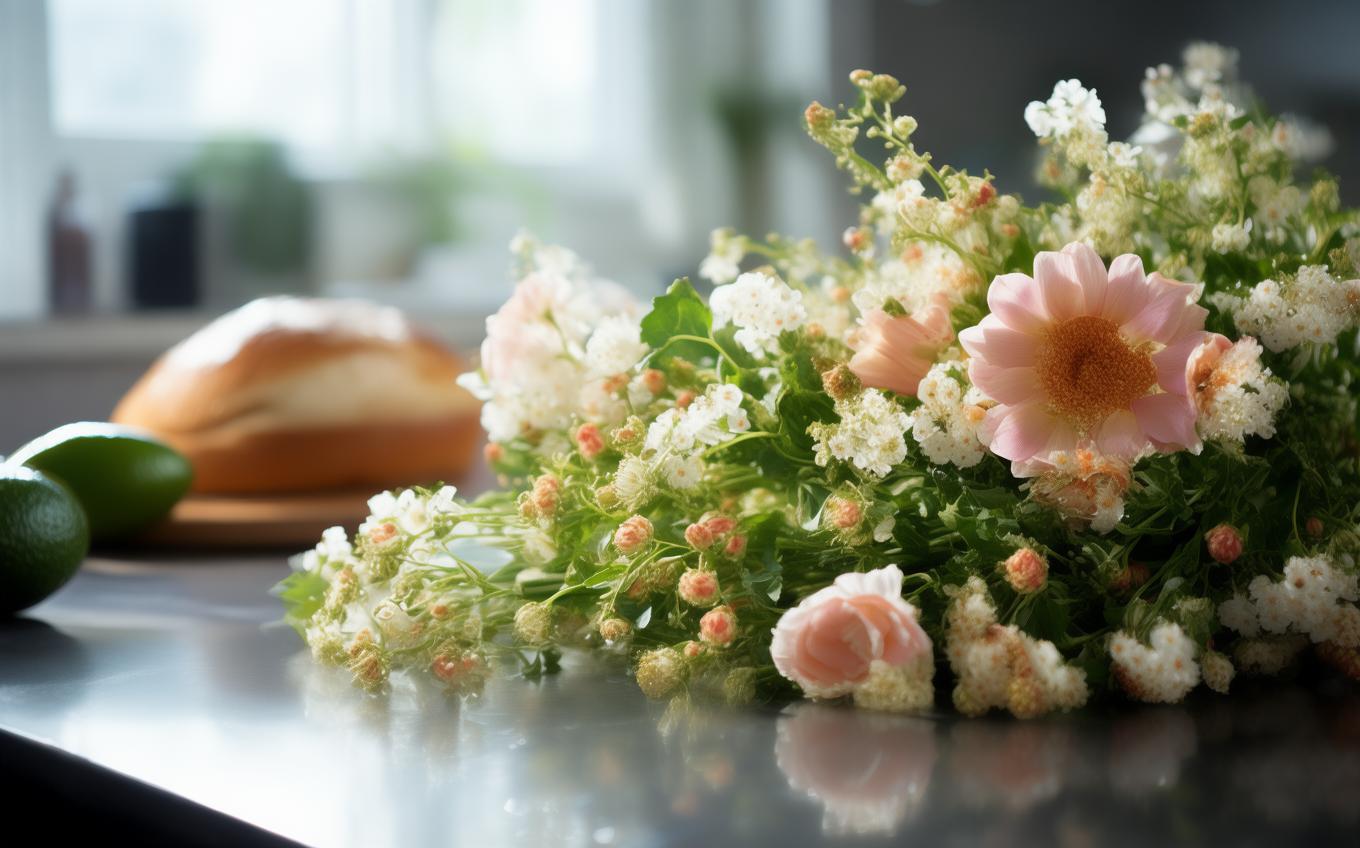
1. Basic Information
- Word: 保鲜
- Pinyin: bǎoxiān
- Literal Meaning: “preserve fresh” or “keep fresh”
- Primary Meaning: to keep food fresh; freshness preservation (refers to the process or methods of preventing food from spoiling and maintaining its original quality)
2. In-depth Explanation
-
Context and Usage:
The word 保鲜 is most commonly used in the context of food storage and safety. It can appear as a verb (to keep something fresh) or as part of compound nouns describing tools, technologies, or concepts related to preserving freshness.
You will hear it in everyday situations such as cooking, grocery shopping, food packaging, and discussions about food waste. For example, when you put leftovers in a container or wrap them with plastic wrap, you are practicing 保鲜.
The word carries a nuance of actively protecting the original freshness rather than simply storing something. It implies a deliberate action or method to slow down decay and maintain taste, texture, and nutrients.
In modern Chinese, 保鲜 is also used metaphorically to talk about keeping relationships, creativity, or one’s appearance “fresh” and vibrant, much like the English expression “keep things fresh.” -
Character Breakdown:
- 保 (bǎo) – means to protect, guard, maintain, or keep. It suggests an active effort to preserve something.
- 鲜 (xiān) – means fresh, delicious, or bright. In food contexts it refers to the fresh taste and quality of ingredients (it is also a key character in the word 新鲜 xīnxiān, “fresh”).
Together, 保鲜 literally means “protect the freshness,” guiding you to think of the word as “maintain the fresh state of something.”
3. Example Sentences
-
Chinese: 把食物放进冰箱可以保鲜。
Pinyin: Bǎ shíwù fàng jìn bīngxiāng kěyǐ bǎoxiān.
English: Putting food in the refrigerator can keep it fresh. -
Chinese: 她用保鲜膜把剩菜包起来了。
Pinyin: Tā yòng bǎoxiānmó bǎ shèngcài bāo qǐlái le.
English: She wrapped the leftovers with plastic wrap (保鲜膜 literally “freshness-preserving wrap”). -
Chinese: 这个保鲜盒的密封性很好,食物不容易坏。
Pinyin: Zhège bǎoxiānhé de mìfēngxìng hěn hǎo, shíwù bù róngyì huài.
English: This freshness-preserving container (保鲜盒) has a very good seal, so food doesn’t spoil easily.
Cultural Notes
In Chinese food culture, freshness is paramount. The phrase “食以鲜为先” (shí yǐ xiān wéi xiān, “freshness comes first in food”) reflects a deep appreciation for the natural flavor and texture of ingredients. That is why words like 保鲜 have become integrated into daily life. The concept extends beyond the kitchen: you may hear people say “爱情需要保鲜” (àiqíng xūyào bǎoxiān, “love needs to be kept fresh”), meaning that romantic relationships require continuous effort and novelty to remain exciting. This metaphorical use is quite common, so 保鲜 can pop up in lifestyle advice, self-help, and even beauty commercials that promise to “保鲜青春” (bǎoxiān qīngchūn, “preserve the freshness of youth”). The popularity of 保鲜膜 (plastic wrap) and 保鲜盒 (airtight containers) in Chinese households also shows how the word is inseparable from modern life.
Conclusion
To remember 保鲜 (bǎoxiān), associate it with the image of “protecting freshness.” The character 保 gives the sense of guarding something valuable, while 鲜 brings to mind bright, tasty, newly picked food. Whether you’re talking about cling wrap, a refrigerator, or even keeping a relationship exciting, 保鲜 is your go-to word for keeping things fresh.
Sources and Further Reading
Dictionary links are provided for independent reference. Example sentences and learning notes on this page are educational explanations rather than dictionary quotations.



Comments (0)
No comments yet. Be the first to comment!