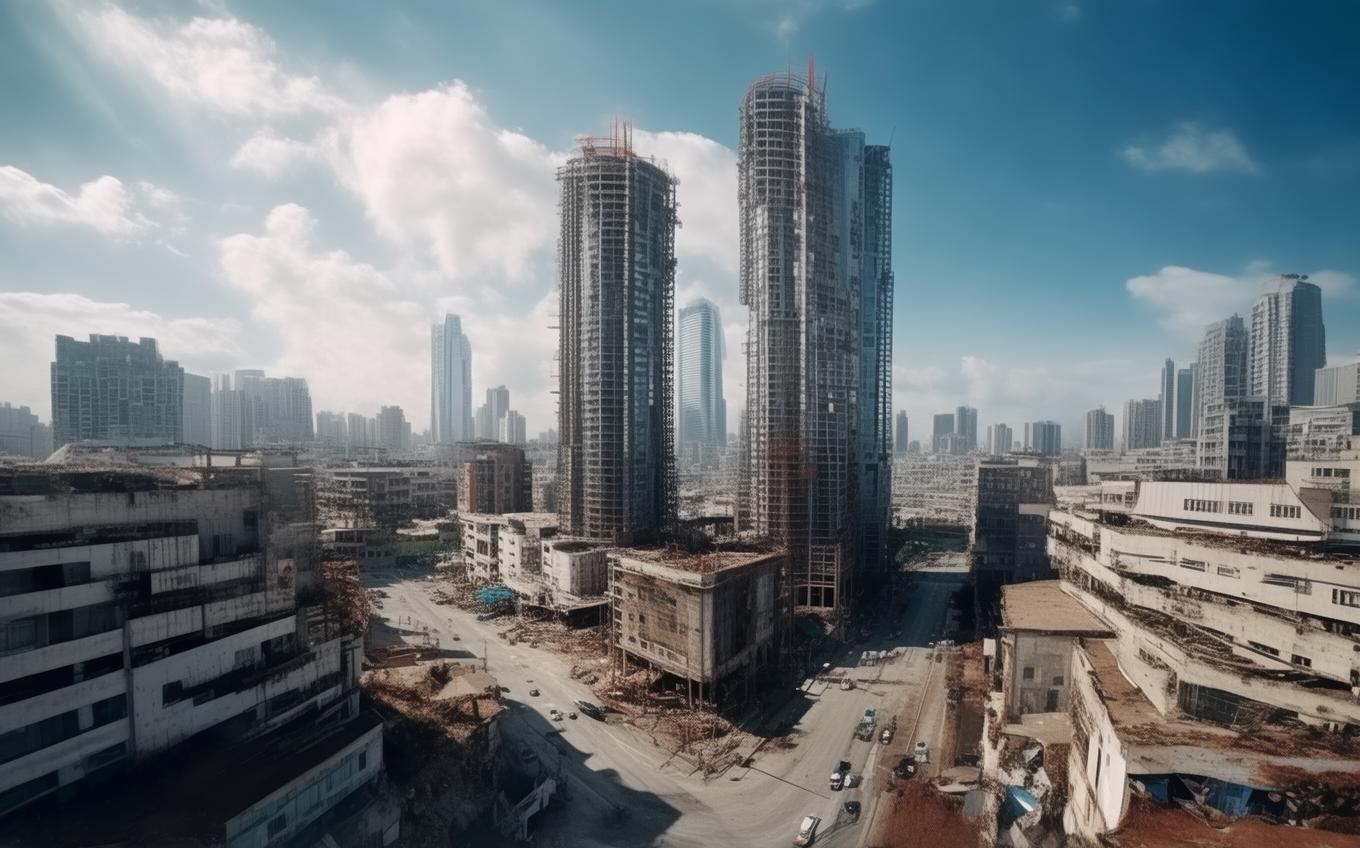
Understanding "变迁" - Chinese Word Explanation
1. Basic Information
- Word: 变迁
- Pinyin: biàn qiān
- Literal Meaning: change + move / transfer
- Primary Meaning: (noun) gradual and often far-reaching change, transformation, or vicissitude – especially of times, societies, environments, or circumstances over a period of time.
2. In-depth Explanation
Context and Usage
“变迁” is used when you want to talk about changes that accumulate over time, rather than sudden or momentary shifts. It often describes large-scale phenomena: the changing of an era, the evolution of a city’s landscape, shifts in social customs, or the passage of history. The word carries a slightly formal tone and is common in written Chinese, essays, news reports, and historical discussions.
The nuance of “变迁” is that it implies a natural, sometimes inevitable process — like the flow of a river reshaping the land. It is not typically used for personal, trivial, or instant changes (for example, changing your clothes would not be “变迁”). Instead, it paints a picture of something grand that unfolds over months, years, or even centuries.
Character Breakdown
- 变 (biàn): to change, to transform, to become different. This character appears in many words related to change (变化, 改变).
- 迁 (qiān): to move, to transfer, to shift (as in moving house – 搬家, or migrating – 迁徙). It implies a movement from one state or place to another.
Together, “变” and “迁” suggest a kind of change that involves movement, drift, or progression. Imagine the hands of a clock slowly turning – that sense of unstoppable forward motion is embedded in this word.
3. Example Sentences
- Chinese: 这座城市的变迁令人惊叹。
- Pinyin: Zhè zuò chéngshì de biànqiān lìng rén jīngtàn.
-
English: The transformation of this city is astonishing.
-
Chinese: 时代的变迁改变了人们的生活方式。
- Pinyin: Shídài de biànqiān gǎibiàn le rénmen de shēnghuó fāngshì.
-
English: The changes of the times have altered people's lifestyles.
-
Chinese: 历史变迁中,许多文化传统逐渐消失。
- Pinyin: Lìshǐ biànqiān zhōng, xǔduō wénhuà chuántǒng zhújiàn xiāoshī.
- English: In the vicissitudes of history, many cultural traditions have gradually disappeared.
Cultural Notes (if applicable)
In Chinese culture, the concept of change is often accepted as a natural and cyclical force, much like the flow of water or the turning of seasons. The character “迁” by itself is associated with movement and adaptation – ancient Chinese sages frequently used water metaphors to describe how to live in harmony with life’s shifts. Therefore, “变迁” not only describes change but also hints at a philosophical acceptance that everything is in a state of flux. You will encounter this word in discussions about dynastic changes, urban development, generational shifts, and even climate change (气候变迁).
Conclusion
“变迁” is your go-to word for expressing gradual, meaningful change on a broad scale — whether it’s the evolution of a skyline, the shifting of social norms, or the tides of history. Remember the image of a river slowly carving a canyon: that is the heart of “变迁”. Use it when you want to sound thoughtful and precise about the transformations that shape our world.
Sources and Further Reading
Dictionary links are provided for independent reference. Example sentences and learning notes on this page are educational explanations rather than dictionary quotations.



Comments (0)
No comments yet. Be the first to comment!