Analysis of "重阳日赐宴曲江亭赋六韵诗用清字" - Classical Chinese Poetry
Introduction
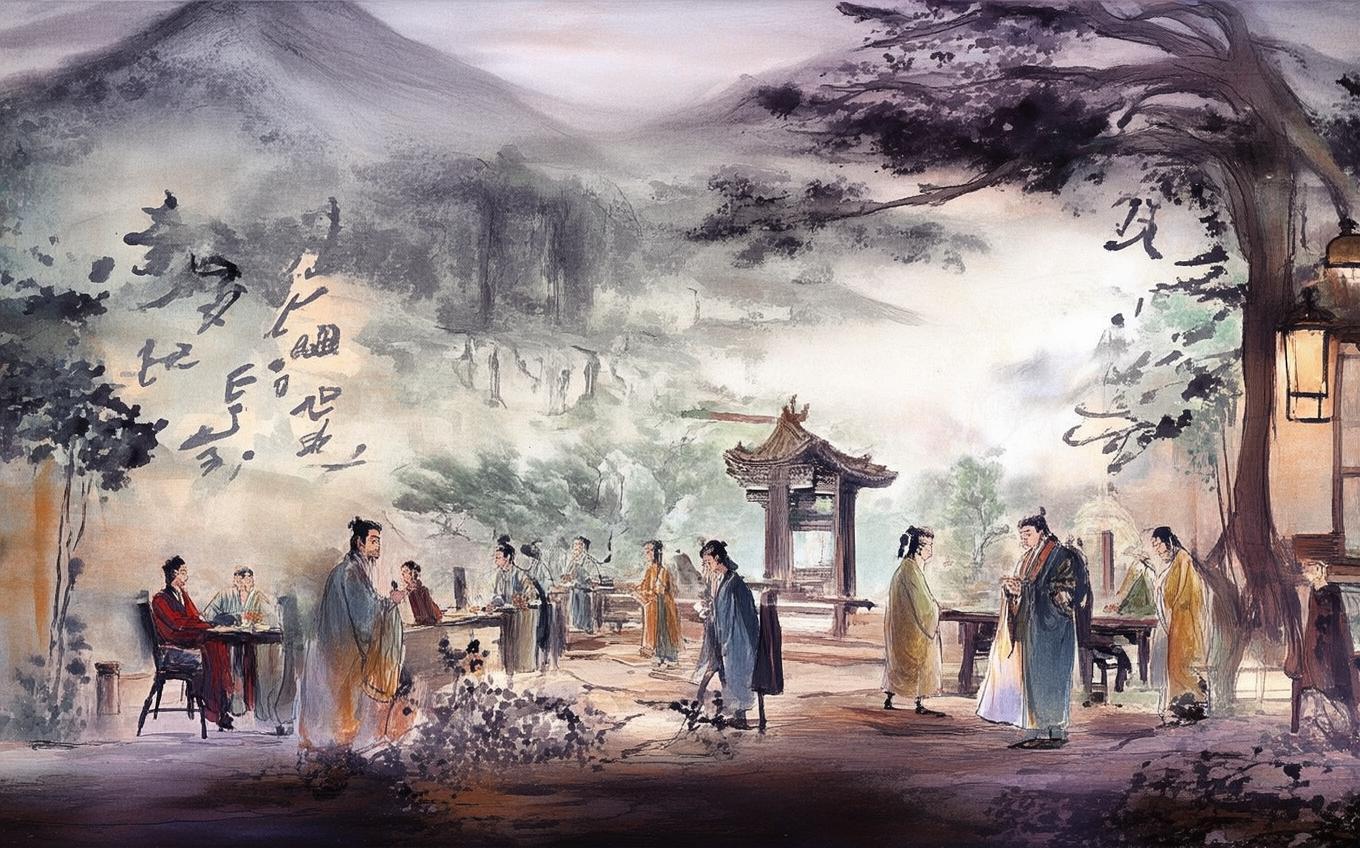
Emperor Xuanzong of Tang (唐玄宗, Táng Xuánzōng), personal name Li Longji (李隆基, Lǐ Lōngjī), ruled China from 712 to 756 CE at the height of the Tang Dynasty’s cultural brilliance. Though remembered for both the splendor of his early reign and the tragedy of the An Lushan Rebellion, he was also an accomplished poet and patron of the arts. The poem 重阳日赐宴曲江亭,赋六韵诗用清字 (“On the Double Ninth Festival, Bestowing a Banquet at Qujiang Pavilion, Composing a Six-Rhyme Poem Using the Character ‘Qing’”) is a court poem he composed during a festive imperial banquet on the Double Ninth Festival (Chongyang Festival). The title indicates that the poem was written to a prescribed rhyme scheme using the character 清 (qīng, meaning “clear” or “pure”), a common practice in classical Chinese poetry to showcase literary skill. This poem offers a rare window into the imperial celebration, blending descriptions of autumnal beauty with Confucian ideals of benevolent governance.
The Poem: Full Text and Translation
早衣对庭燎,
Zǎo yī duì tíng liáo,
At dawn I don my robes before the courtyard torches,
躬化勤意诚。
Gōng huà qín yì chéng.
Personally transforming through diligent and sincere intent.
时此万机暇,
Shí cǐ wàn jī xiá,
At this moment, amidst leisure from ten thousand affairs of state,
适与佳节并。
Shì yǔ jiā jié bìng.
It happens to coincide with this fine festival.
曲池洁寒流,
Qǔ chí jié hán liú,
The winding pool cleanses its cold currents,
芳菊舒金英。
Fāng jú shū jīn yīng.
Fragrant chrysanthemums unfold their golden blossoms.
乾坤爽气满,
Qián kūn shuǎng qì mǎn,
Heaven and Earth are filled with refreshing air,
台殿秋光清。
Tái diàn qiū guāng qīng.
On terraces and in halls, the autumn light is clear.
朝野庆年丰,
Cháo yě qìng nián fēng,
Court and countryside celebrate a bountiful year,
高会多欢声。
Gāo huì duō huān shēng.
This grand gathering brims with joyful voices.
永怀无荒戒,
Yǒng huái wú huāng jiè,
Forever mindful of the warning against idleness and excess,
良士同斯情。
Liáng shì tóng sī qíng.
Worthy gentlemen share this very sentiment.
Line-by-Line Analysis
Lines 1–2: Imperial Duty and Personal Virtue
The poem opens with the emperor rising early, dressed in formal attire, facing the ceremonial torches still burning in the courtyard. This image of dawn discipline establishes his devotion to rule. The second line is deeply Confucian: “躬化” (gōng huà) refers to self-cultivation as a means to transform society, a concept from the Analects. The ruler’s diligent and sincere heart (勤意诚, qín yì chéng) is presented as the moral foundation of the state. Together, these lines frame the banquet not as mere leisure, but as an extension of virtuous governance.
Lines 3–4: A Rare Respite
“万机” (wàn jī) literally means “ten thousand mechanisms,” a stock phrase for the countless affairs of state. The emperor acknowledges the rarity of leisure, subtly reminding the reader of his constant responsibilities. The word “適” (shì, “happens to”) suggests a delightful synchronicity: the festival arrives just as a moment of calm allows him to enjoy it. These lines create a humble, almost intimate tone, making the grandeur approachable.
Lines 5–6: The Qujiang Landscape
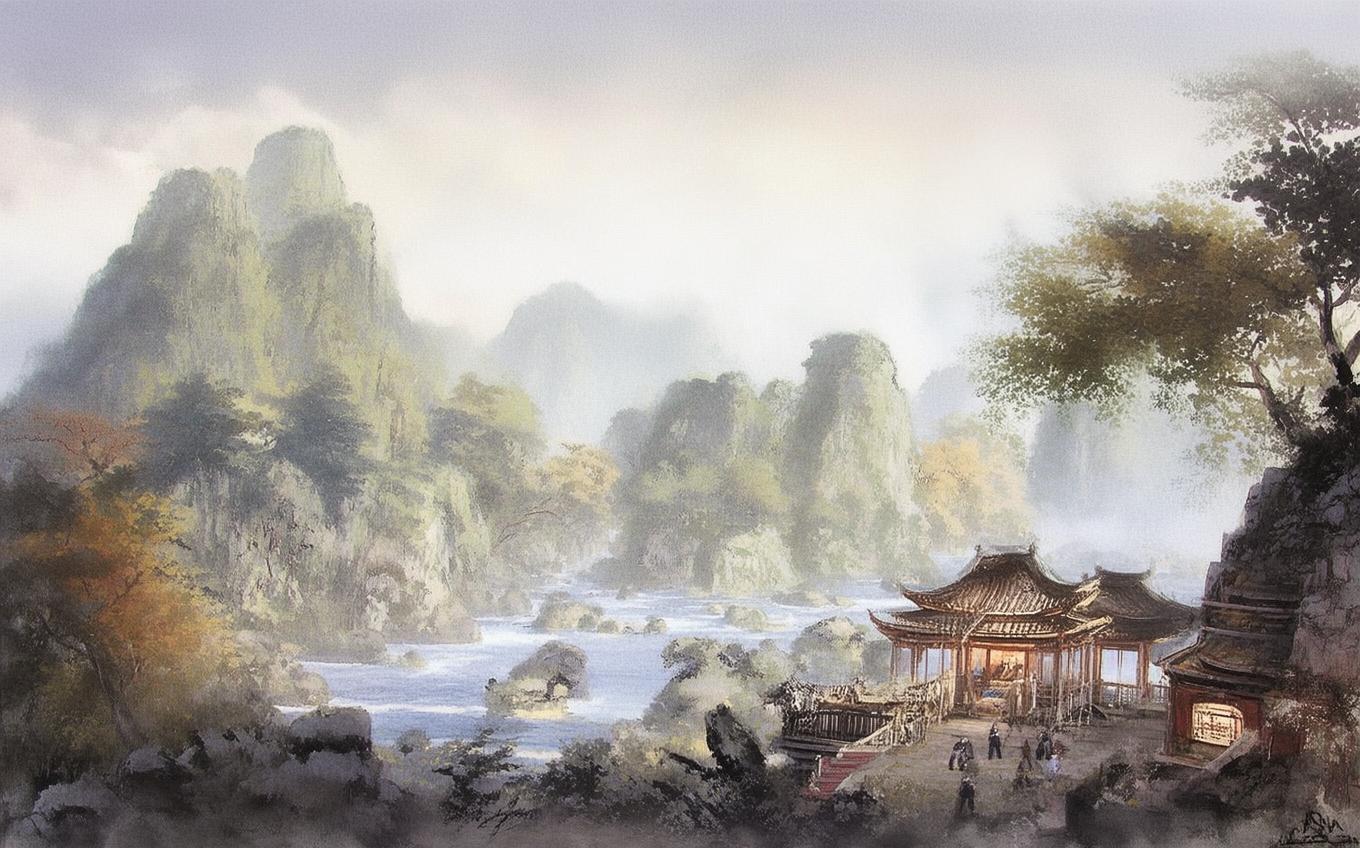
The setting is the Qujiang (曲江), a scenic river and parkland in Tang Chang’an famous for its winding waterways. The “winding pool” (曲池) with its “cold currents” (寒流) evokes the crispness of autumn. Chrysanthemums, the emblematic flower of the Double Ninth Festival, are personified as “unfolding” (舒) their golden petals, a metaphor for blossoming culture under good rule. The contrast between cold water and warm golden blooms creates a balanced, harmonious scene.
Lines 7–8: Cosmic Clarity
“乾坤” (qián kūn) denotes Heaven and Earth, the binary forces of the cosmos. That they are “filled with refreshing air” implies a world in perfect seasonal and political order. The repetition of “清” (qīng, clear/pure) — the very rhyme word required by the title — links physical clarity of autumn light on palace terraces to moral clarity. The emperor sees the beauty of the festival mirrored in the purity of his own reign.
Lines 9–10: A Unified Celebration
Moving from nature to people, these lines celebrate the harvest and the unity of “court and countryside” (朝野, cháo yě). The word “庆” (qìng, celebrate) suggests a ritual triumph, while “欢声” (huān shēng, joyful voices) conveys an almost audible festivity. The emperor doesn’t stand above the revelry but absorbs it, his own voice blending into the communal chorus. It’s an idealized vision of a harmonious state.
Lines 11–12: The Moral Warning
The poem’s final couplet turns reflective. “永怀” (yǒng huái) means “forever cherish in mind,” and “无荒戒” (wú huāng jiè) refers to the ancient admonition against “荒” (huāng) — negligence, indulgence, or abandoning one’s duties. This echoes the Book of Documents, where rulers are warned that pleasure must never override governance. The “worthy gentlemen” (良士, liáng shì) present share this sentiment, suggesting that the entire court community upholds collective vigilance. The banquet, then, is not an escape from duty but a reaffirmation of it.
Themes and Symbolism
The Just Ruler’s Leisure
The poem embodies the Confucian ideal that a sage king’s leisure is never idle; it is an opportunity to commune with nature, celebrate with his people, and reflect on moral principles. The Double Ninth Festival becomes a stage for demonstrating how personal virtue sustains the state.
Autumn as Moral Clarity
Autumn in Chinese poetry often carries themes of melancholy, but here it is triumphantly clear and refreshing. The “clear autumn light” (秋光清) and “refreshing air” (爽气) symbolize the transparency of good government. Chrysanthemums, which bloom defiantly in the cold, represent the enduring virtue of the cultivated gentleman — and by extension, the emperor himself.
Communal Harmony
The movement from the personal (dawn robes) to the cosmic (Heaven and Earth) to the social (court and countryside) traces a Confucian continuum: the ruler’s heart aligns with cosmic order, which in turn produces social harmony. The poem is a microcosm of an ideal empire.
Cultural Context
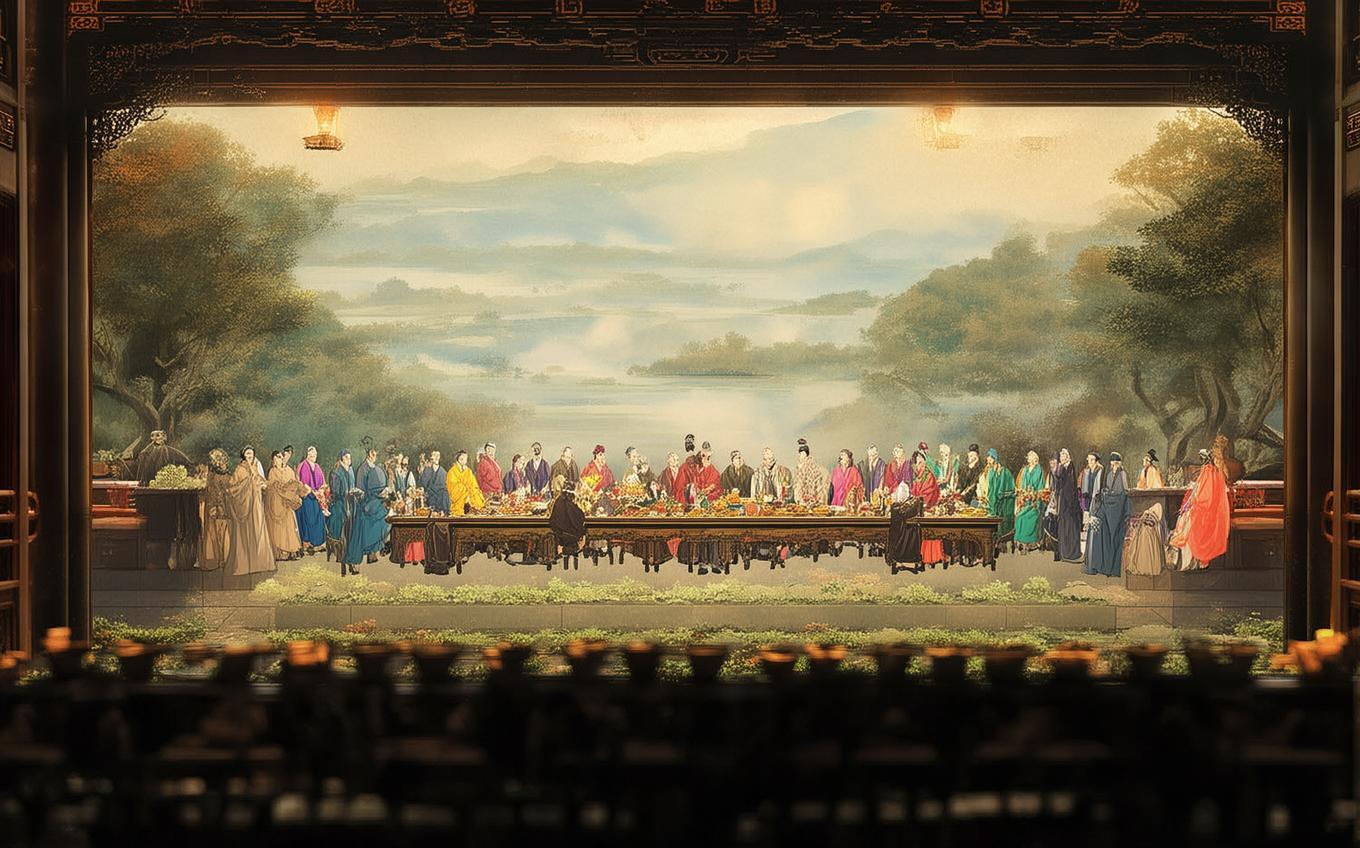
The Double Ninth Festival (重阳节, Chóngyáng Jié), celebrated on the ninth day of the ninth lunar month, was an occasion for climbing heights, admiring chrysanthemums, drinking chrysanthemum wine, and warding off danger. In the Tang court, it was a major holiday marked by imperial banquets. Qujiang (曲江) was the pleasure garden of Chang’an, a symbol of Tang cosmopolitan luxury. Poems composed at such banquets often used a “assigned rhyme” (分韵, fēn yùn), where each participant had to write using a given character as a rhyme. Emperor Xuanzong chose 清 (qīng), a word rich with meaning: clarity, purity, and the unclouded mind of a sage ruler. This reflects the cultural importance of poetry as a political and moral tool — a good emperor writes poems that display his virtue and inspire his officials.
Conclusion
Emperor Xuanzong’s poem is a masterful blend of imperial authority and poetic subtlety. It never shouts its lesson but weaves it through autumn light and chrysanthemum blooms. To modern readers, it offers a glimpse of a world where nature, ritual, and governance intertwined. Beyond its historical charm, the poem’s call for mindful leadership and shared joy remains resonant. In a season of gratitude for harvest, the emperor reminds himself and his court that true prosperity depends on clarity of purpose — a message as crisp and enduring as the clear autumn air he describes.
Comments (0)
No comments yet. Be the first to comment!