Analysis of "重阳日中外同欢以诗言志因示群官" - Classical Chinese Poetry
Introduction
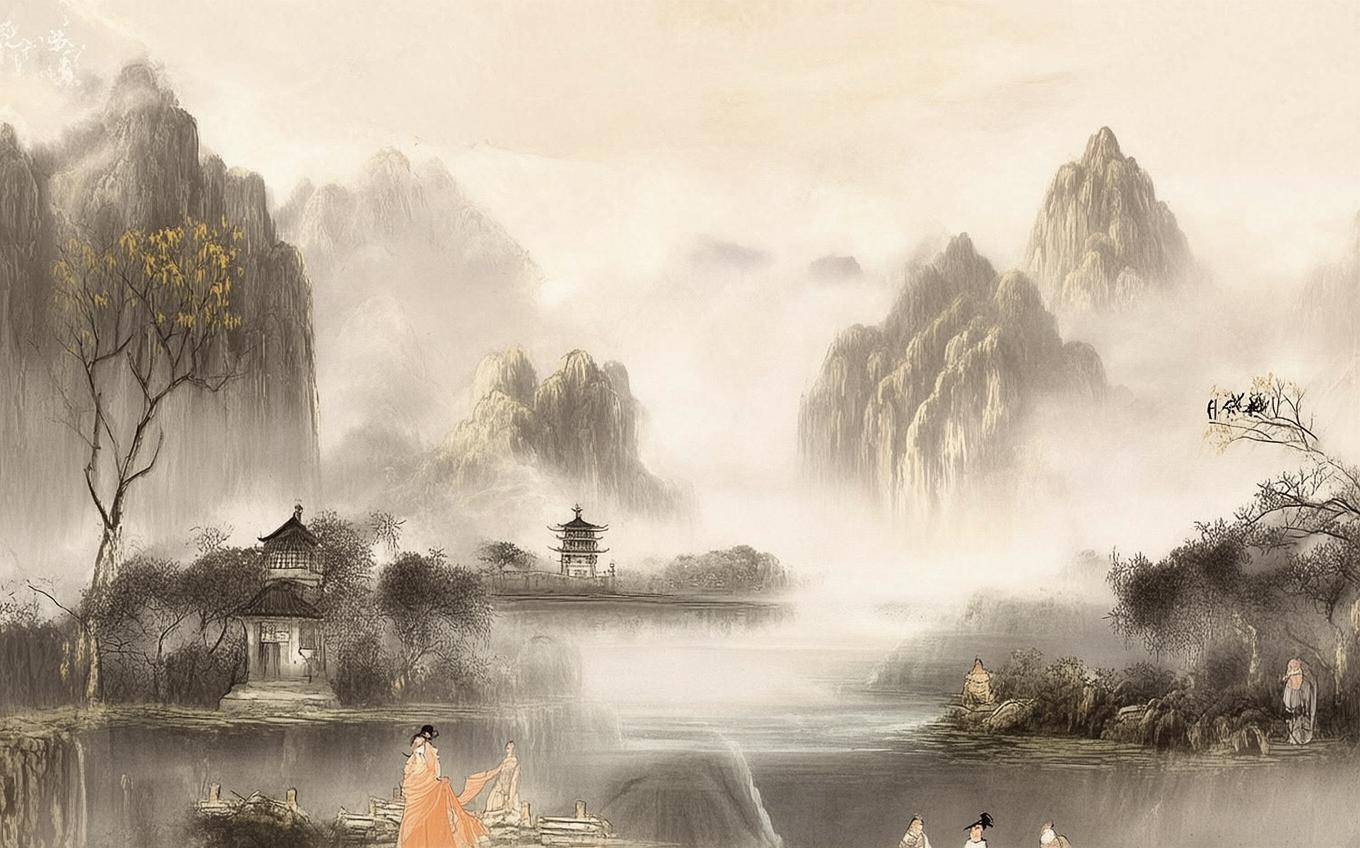
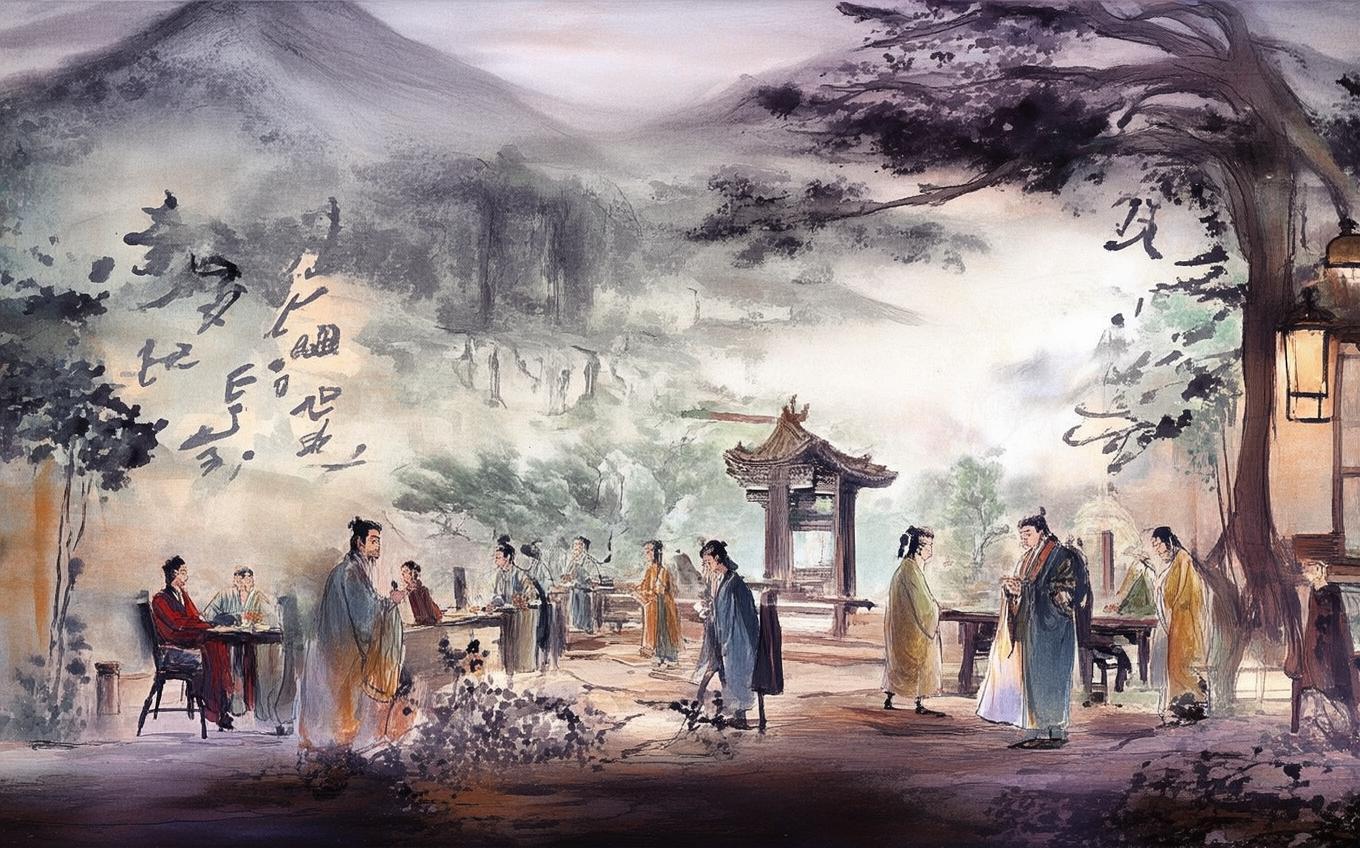
On a clear autumn day in the eighth century, the Tang Emperor Xuanzong (reigned 712–756) gathered his court for the Double Ninth Festival. Instead of merely feasting, he composed a poem to express his aspirations and share them with his ministers. The title, “重阳日中外同欢以诗言志因示群官” (On the Double Ninth Day, Chinese and Foreign Rejoice Together, Using Poetry to Express Aspirations, Hence Shown to the Officials), is both a scene-setter and a manifesto. This poem, written at the height of the prosperous Kaiyuan era, blends nature, politics, and moral philosophy, offering a window into the cultural and ethical values of Tang China. For English-speaking readers, it is an elegant example of how a ruler used poetry to craft a vision of harmony and shared purpose.
The Poem: Full Text and Translation
爽节在重九,
Shuǎng jié zài chóng jiǔ,
The crisp season arrives on the Double Ninth.
物华新雨余,
Wù huá xīn yǔ yú,
Nature’s splendor glistens after the fresh rain.
清秋黄叶下,
Qīng qiū huáng yè xià,
In clear autumn, yellow leaves drift down.
菊散金潭初,
Jú sàn jīn tán chū,
Chrysanthemums scatter by the golden pool at day’s beginning.
万实行就稔,
Wàn shí xíng jiù rěn,
The myriad fruits are approaching ripeness.
百工欣所如,
Bǎi gōng xīn suǒ rú,
All officials delight in their proper roles.
欢心畅遐迩,
Huān xīn chàng xiá ěr,
Joyful hearts flow smoothly far and near.
殊俗同车书,
Shū sú tóng chē shū,
Different customs are united under one axle and one script.
至化自敦睦,
Zhì huà zì dūn mù,
The highest virtue naturally fosters harmony and amity.
佳辰宜宴胥,
Jiā chén yí yàn xū,
On this auspicious day, it is fitting to feast together.
锵锵间丝竹,
Qiāng qiāng jiān sī zhú,
Clear, tinkling sounds mingle with string and bamboo music.
济济罗簪裾,
Jǐ jǐ luó zān jū,
A magnificent array of officials in hairpins and ceremonial robes.
此乐匪足耽,
Cǐ lè fěi zú dān,
This pleasure is not to be indulged in recklessly.
此诚期永孚。
Cǐ chéng qī yǒng fú,
This sincerity, I hope, will endure and be trusted forever.
Line-by-Line Analysis
The poem unfolds in seven couplets, each carrying a layer of imagery and intention.
Couplet 1: The Season and the Scenery
爽节在重九,物华新雨余。
The opening announces both time and atmosphere. “爽节” (shuǎng jié, the crisp, invigorating season) immediately evokes autumn’s clarity; “重九” (chóng jiǔ, Double Ninth) is the ninth day of the ninth lunar month, a festival associated with longevity, chrysanthemums, and family gatherings. The scene is painted after a rain that leaves everything fresh and vibrant — “物华” (wù huá, the beauty of the myriad things) captures a world washed clean, ready to be celebrated. This couplet establishes a tone of renewal and auspicious beginning.
Couplet 2: The Sights of Autumn
清秋黄叶下,菊散金潭初。
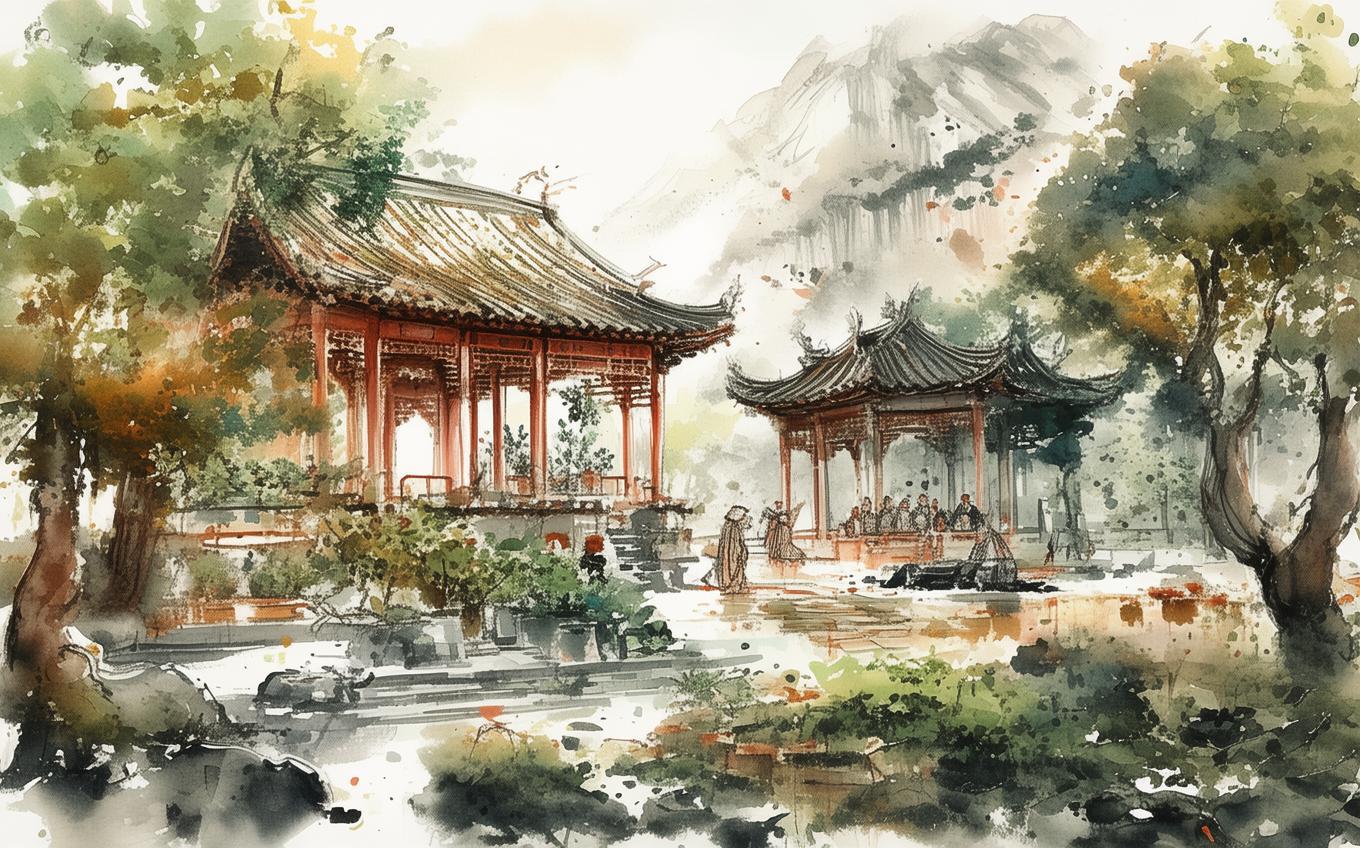
Two classic Double Ninth images appear: falling yellow leaves and scattered chrysanthemums. “清秋” (qīng qiū, limpid autumn) suggests a crisp, transparent sky, while the drifting leaves acknowledge the fleeting nature of seasons — not with sorrow, but with serenity. The chrysanthemums, flowers of the festival, are “scattered” by the golden pond (“金潭”), a precious detail that hints at a palace garden (the Tang imperial grounds often featured elaborate ponds). “初” (chū, beginning) might indicate early morning, lending the scene a quiet, untouched beauty before the banquet begins.
Couplet 3: Harvest and Social Order
万实行就稔,百工欣所如。
The emperor shifts from natural scenery to agricultural and social prosperity. “万实” — literally “ten thousand fruits” — stands for all crops, now “行就稔” (approaching ripeness). The choice of “稔” (rěn, full ripeness, harvest) celebrates abundance. The second line mirrors this fullness in the human realm: “百工” (bǎi gōng, all sorts of officials or craftsmen) are “欣所如” — contented with their duties, each in his proper place.
Comments (0)
No comments yet. Be the first to comment!