Title: Analysis of "醉妆词" - Classical Chinese Poetry
Introduction
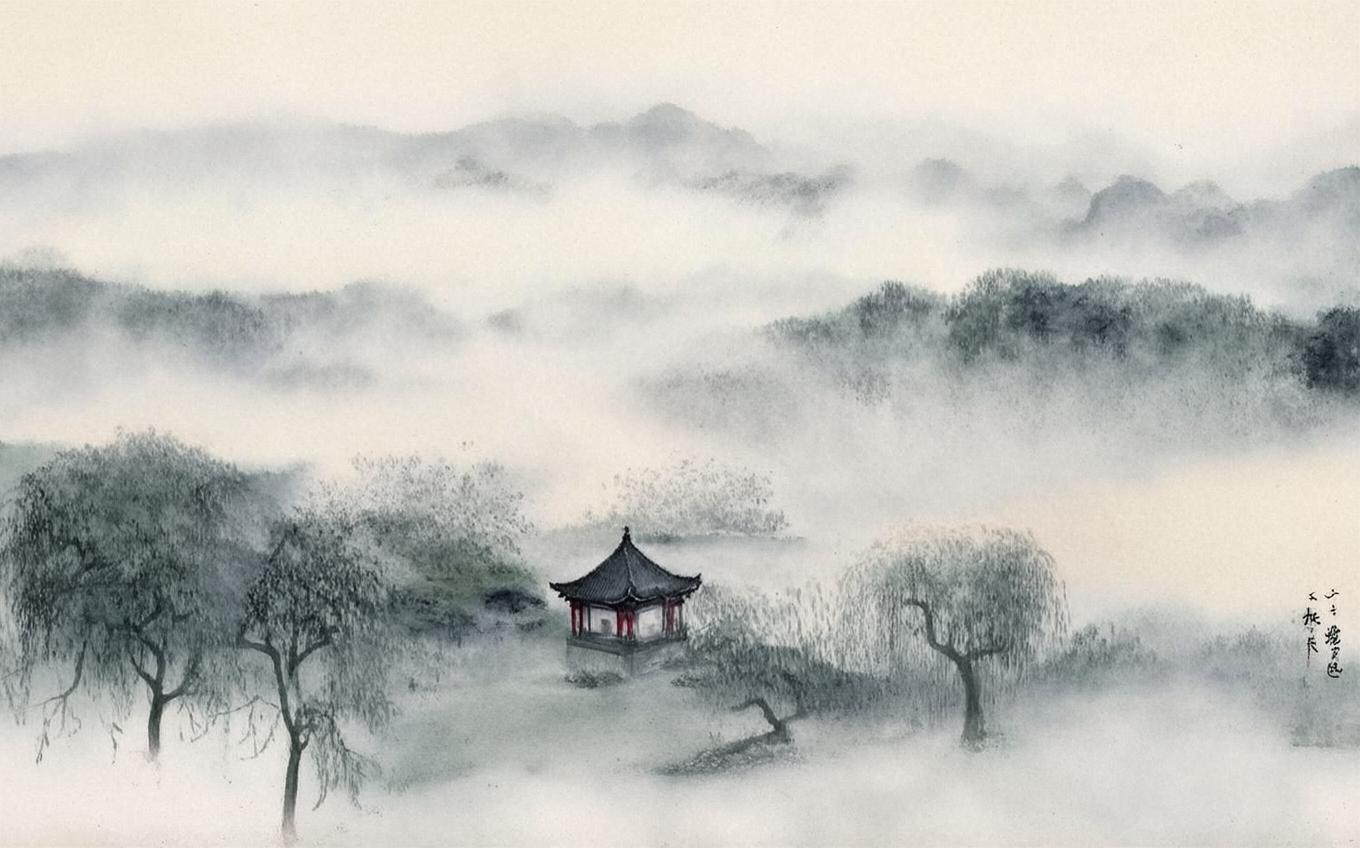
In the luminous tapestry of classical Chinese poetry, the ci (词) form—sung to existing melodies—blossomed during the late Tang and Five Dynasties periods, capturing the fleeting moods of love, wine, and beauty. Among the many gems of this era, the poem "醉妆词" (Zuì Zhuāng Cí, “Drunken Makeup Song”) by Gu Xiong (顾夐) stands out as a deceptively simple yet deeply resonant piece. Gu Xiong served in the court of the Former Shu kingdom (907–925), a time when refined hedonism often masked political uncertainty. "醉妆词" is a miniature, a four-line ci that distills the ethos of carpe diem into a rhythmic, almost incantatory form. It invites the reader into a world where wandering and drinking become a deliberate, even defiant, celebration of the present.
The Poem: Full Text and Translation
者边走,那边走
Zhě biān zǒu, nà biān zǒu
This way I wander, that way I wander
只是寻花柳
Zhǐ shì xún huā liǔ
Simply seeking blossoms and willows
那边走,者边走
Nà biān zǒu, zhě biān zǒu
That way I wander, this way I wander
莫厌金杯酒
Mò yàn jīn bēi jiǔ
Never grow weary of the golden cup's wine
Line-by-Line Analysis
The poem opens with a playful, mirror-like repetition: “者边走,那边走” (“This way I wander, that way I wander”). In the original Chinese, “者” (zhě) and “那” (nà) are colloquial pronouns meaning “this” and “that”, giving the voice an immediate, spoken quality. This is not the polished language of a court official but the spontaneous utterance of someone strolling without purpose, intoxicated by freedom. The verb “走” (zǒu, to walk/wander) suggests movement without urgency—a leisurely saunter rather than a hurried journey.
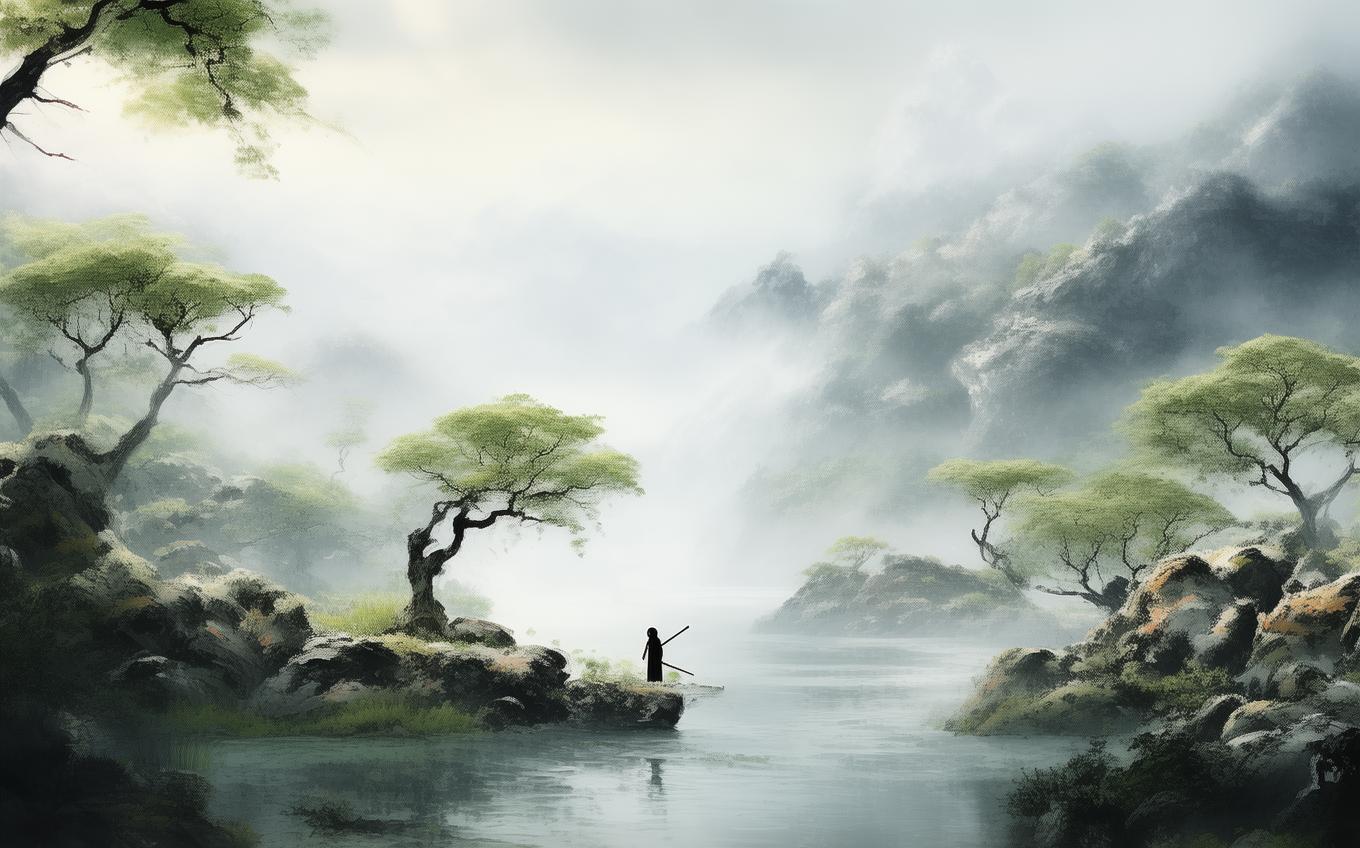
The third line, “只是寻花柳” (“Simply seeking blossoms and willows”), reveals the speaker’s sole pursuit. In classical poetry, “花柳” (huā liǔ, flowers and willows) is a stock metaphor for beautiful women and the pleasures of the entertainment quarters. Yet on a literal level, it evokes the tender grace of spring scenery. By declaring this as the only intent, the poet elevates sensual delight to a form of spiritual quest, stripping life of grand ambitions and embracing the transient beauty of the moment.
The fourth line reverses the first, “那边走,者边走” (“That way I wander, this way I wander”), creating a palindrome-like structure. This symmetrical reversal is not mere elegance; it enacts the cyclicity of the wanderer’s path. The repetition suggests that no matter the direction, the goal remains the same—and perhaps that direction itself is meaningless when one is open to every impulse.
The final line, “莫厌金杯酒” (“Never grow weary of the golden cup’s wine”), is a direct address, a toast to fellow revelers or to oneself. The “golden cup” elevates the act of drinking into a ritual of refinement, while the word “厌” (yàn, weary/tired) warns against letting pleasure curdle into fatigue or disillusionment. It is an exhortation to remain forever drunk—not just on wine, but on the intoxicating beauty of life itself.
Themes and Symbolism
The poem revolves around the theme of carpe diem—seize the day—but with a uniquely Chinese aesthetic of xiāoyáo (逍遥, free and easy wandering). It celebrates the pursuit of fleeting joys (wine, beauty, nature) as a response to the impermanence of existence. The wanderer’s aimlessness is not a lack of purpose but a deliberate rejection of rigid societal goals.
Symbolism is woven delicately:
- “花柳” (flowers and willows): In Tang and Five Dynasties poetry, these often represent courtesans and sensual love, but they also evoke the natural cycle of blooming and withering—a reminder of ephemeral beauty. The dual meaning layers personal pleasure onto universal transience.
- “金杯” (golden cup): Gold symbolizes wealth and luxury, but here it is tied to the fleeting act of drinking. The cup is precious, yet its contents are momentary, underscoring the paradox of cherishing what cannot last.
- Directionless wandering: The repeated “this way, that way” suggests the Daoist ideal of wu-wei (无为, effortless action)—moving without forcing, letting the moment guide one’s steps.
Cultural Context
Gu Xiong lived during the turbulent transition from the Tang dynasty to the Five Dynasties and Ten Kingdoms period (907–979). The Former Shu kingdom, where he served, was a small but culturally vibrant state founded after the fall of the Tang. Its court was known for lavish entertainment, ci poetry competitions, and an atmosphere of indulgent escapism. In such an era, when kingdoms rose and fell rapidly, poetry often turned toward the immediacy of pleasure as a shield against chaos.
"醉妆词" belongs to the Huajian ji (花间集, “Among the Flowers”) tradition, an anthology that exalted romantic and sensual themes. Yet its brevity and symmetrical structure also echo folk songs and the playful wit of the literati, who used simplicity to mask profound sentiments. The title itself, “Drunken Makeup Song,” points to a popular court fashion where women would apply makeup in a deliberately smudged, intoxicated style—a cultural emblem of artificial yet beautiful transience.
Philosophically, the poem resonates with the Zhuangzi’s celebration of spontaneity and the Zen Buddhist appreciation of the present moment. By wandering and drinking, the speaker aligns with the natural flow of the universe, rejecting the Confucian emphasis on duty and moral seriousness in favor of an aesthetic life.
Conclusion
"醉妆词" is a tiny masterpiece that captures an entire worldview in twenty short characters. Its musical repetition and mirrored structure create an almost hypnotic rhythm, inviting the reader to join the dance of aimless joy. For modern readers, the poem offers a gentle reminder: in an age of relentless productivity and future-anxiety, perhaps the wisest act is to wander wherever the willows beckon and to lift the golden cup before the bloom fades. Gu Xiong’s voice, across a millennium, still whispers the ancient truth that some of the deepest philosophy can be found in a smile, a sip, and a step into the unknown.
Comments (0)
No comments yet. Be the first to comment!