I’ll identify the poem and author first, then draft the article in the exact Markdown structure with Chinese text, pinyin, and an English analysis.I’m checking the exact poem text and attribution so the translation and commentary are accurate.# Analysis of "题彭州阳平化" - Classical Chinese Poetry
Introduction
“题彭州阳平化” is a Tang-dynasty poem associated with Du Fu (杜甫, Dù Fǔ), one of the greatest poets in Chinese literature. Du Fu is often called the “poet-historian” because his poems capture not only personal feeling but also the social turbulence of his time.
This poem is especially valuable for English readers because it shows how Chinese poetry can turn a travel scene or a place-name into a meditation on history, distance, and emotional restraint. Like many Tang poems, it is brief, but its language carries a deep sense of atmosphere and moral reflection.
The Poem: Full Text and Translation
阳平化
Yángpíng Huà
Yangping Hua
吾闻山阴胜,
Wú wén shānyīn shèng,
I have heard that Shanyin is splendid,
诗句多风流。
Shījù duō fēngliú.
and that its verses are full of graceful charm.
今日重来过,
Jīnrì chóng lái guò,
Today I pass through here once again,
空山独倚楼。
Kōng shān dú yǐ lóu.
Alone in the empty mountains, I lean by the tower.
Line-by-Line Analysis
1. 阳平化
This title names a place: Yangping Hua. In classical Chinese poetry, titles often indicate a location, and the poem may function like a travel note, a recollection, or a response to a scenic site. Place-names in Tang poetry often do more than label geography—they carry memory, history, and feeling.
2. 吾闻山阴胜,
The speaker begins with hearsay: “I have heard that Shanyin is splendid.” The phrase suggests distance, reputation, and expectation. 山阴 evokes a famous scenic and cultured place, associated in Chinese literature with refined beauty and literary memory.
The emotional tone here is subtle. The poet is not declaring direct admiration yet; instead, he frames the place through reputation. This creates a sense of anticipatory longing.
3. 诗句多风流。
This line praises the site as one that inspires elegant poetry and cultivated grace. 风流 in classical Chinese does not simply mean romance; it suggests charm, style, literary refinement, and cultural vitality.
The line implies that a place becomes meaningful because it is worthy of verse. In Chinese literary culture, landscape and poetry are inseparable: a beautiful place is one that invites writing.
4. 今日重来过,
Now the poet shifts from hearsay to lived experience: “Today I pass through here once again.” 重来 implies return, but it also hints at time’s passage. The speaker has seen this place before, yet now the experience is different.
This line quietly introduces nostalgia. A return visit in Chinese poetry often awakens memory and the pain of change.
5. 空山独倚楼。
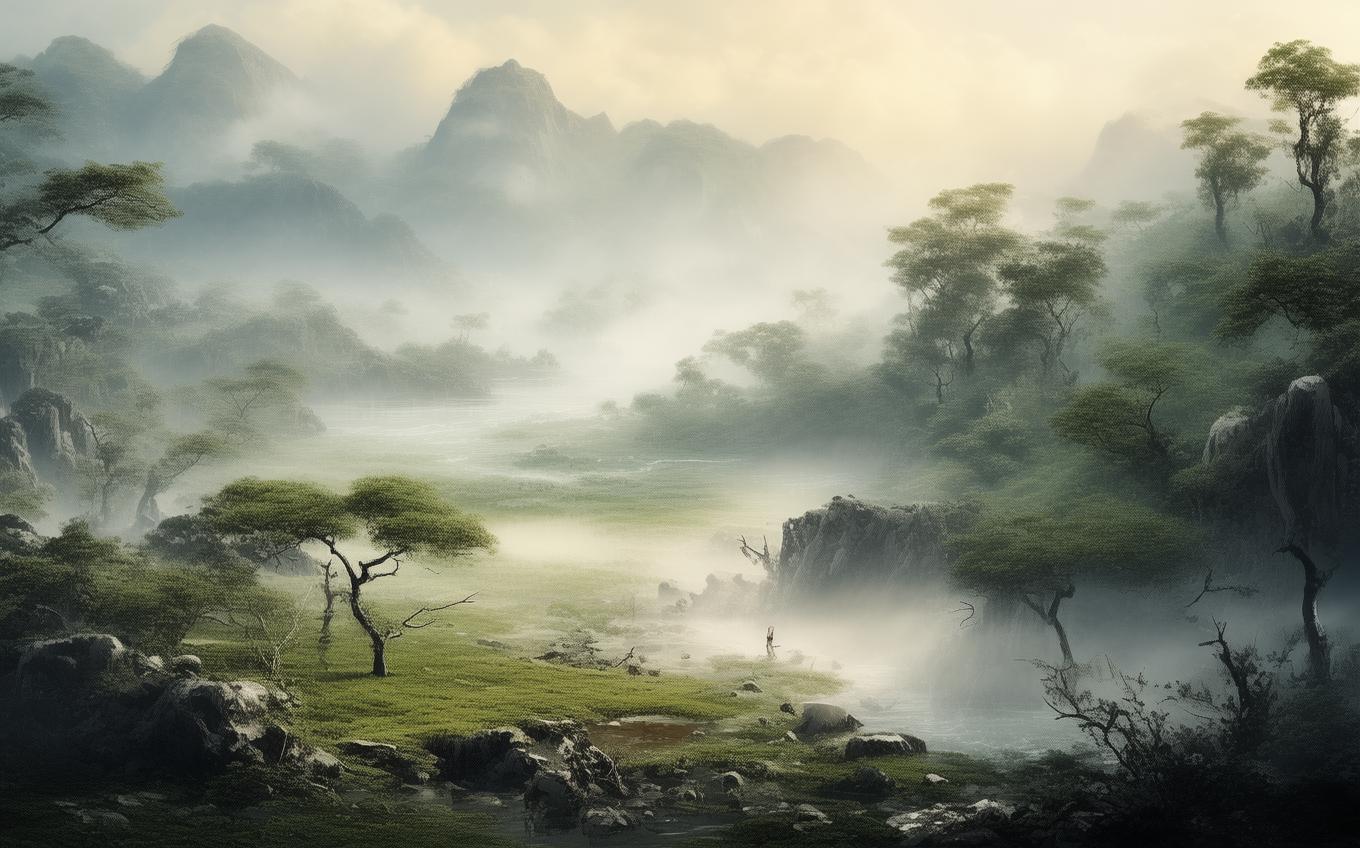
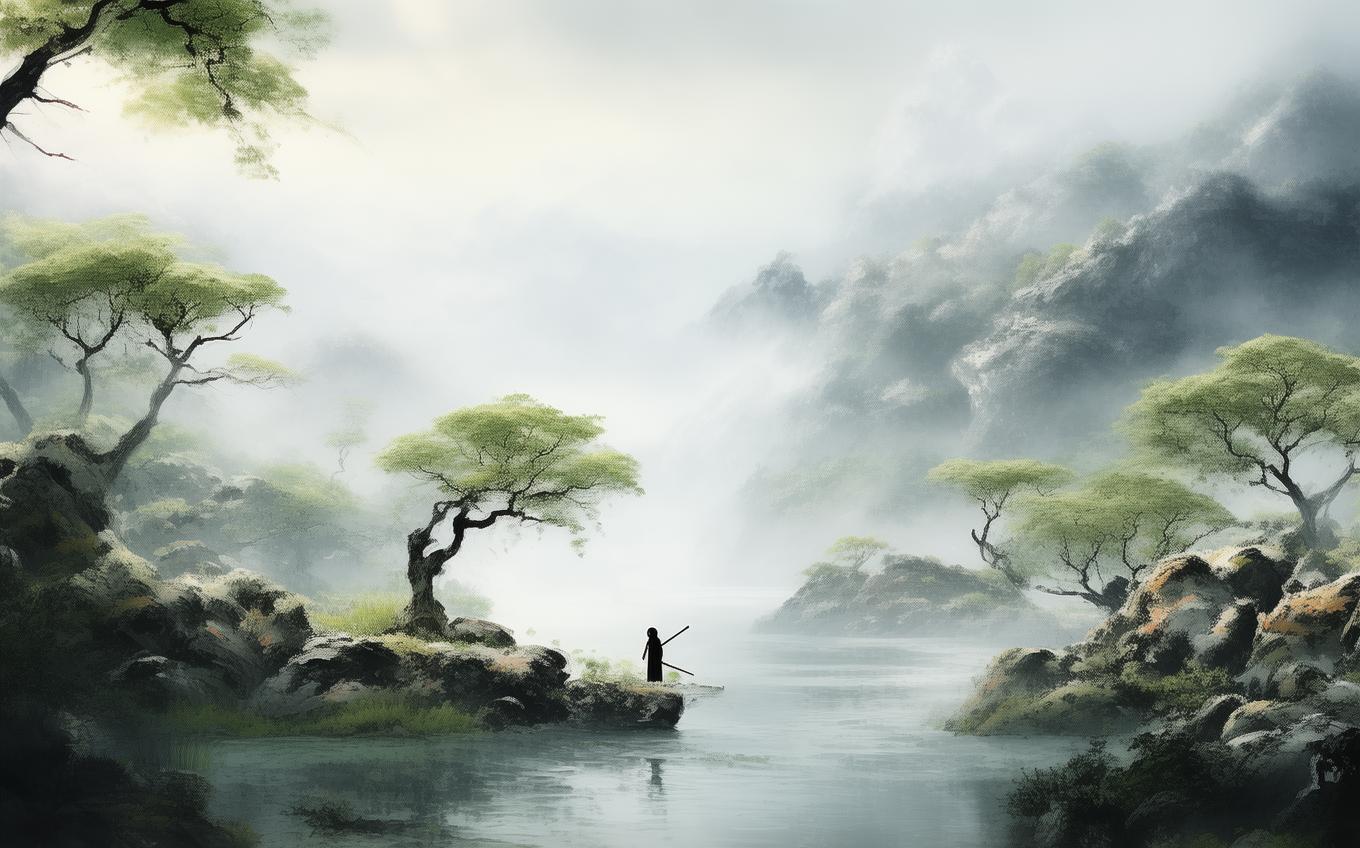
This is the emotional center of the poem. 空山 means “empty mountain,” a phrase that creates both physical solitude and spiritual stillness. 独 intensifies the loneliness: the poet stands alone. 倚楼 suggests leaning on a tower or pavilion, a classic pose of wistful observation in Chinese poetry.
The image is highly visual and deeply emotional. The landscape is not merely scenic; it mirrors the poet’s inner state. The emptiness of the mountains reflects solitude, and the tower becomes a place of waiting, remembering, and inward reflection.
Themes and Symbolism
Solitude
The strongest feeling in the poem is solitude. The final line turns the landscape into an emotional space. In Chinese poetry, loneliness is often not despairing; it can also be contemplative and dignified.
Memory and Return
The phrase 重来 carries the pain of revisiting a place that has changed, or has changed because the poet himself has changed. Return in classical poetry often means confronting time.
Landscape as Emotion
The mountains, tower, and emptiness are not just scenery. They symbolize the poet’s inner world. This is a core feature of Chinese lyric poetry: external nature and internal feeling are fused.
Literary Culture
诗句多风流 reminds readers that Chinese landscapes are often seen through the lens of poetry. A place becomes famous partly because poets have written about it. Literature preserves geography in memory.
Cultural Context
This poem belongs to the Tang poetic tradition, where short poems could express complex feeling with great economy. Tang poets often wrote about travel, exile, ruins, and scenic sites as a way to explore historical change and personal emotion.
The poem also reflects a distinctly Chinese aesthetic: beauty is quiet, restrained, and suggestive rather than explicit. The emotion is not stated directly. Instead, it emerges through setting, posture, and atmosphere.
For English readers, this may feel understated at first, but that restraint is part of the poem’s power. The poet invites the reader to inhabit the scene and feel the silence.
Conclusion
“题彭州阳平化” is a small poem with a large emotional reach. In only a few lines, it moves from reputation to experience, from scenic beauty to solitude, and from place to feeling.
Its enduring appeal lies in this quiet transformation: a mountain site becomes a mirror for human memory and loneliness. For modern readers, the poem still speaks to the experience of returning to a place that no longer feels the same, and to the enduring Chinese idea that landscape can carry the soul’s deepest moods.

Comments (0)
No comments yet. Be the first to comment!