Introduction
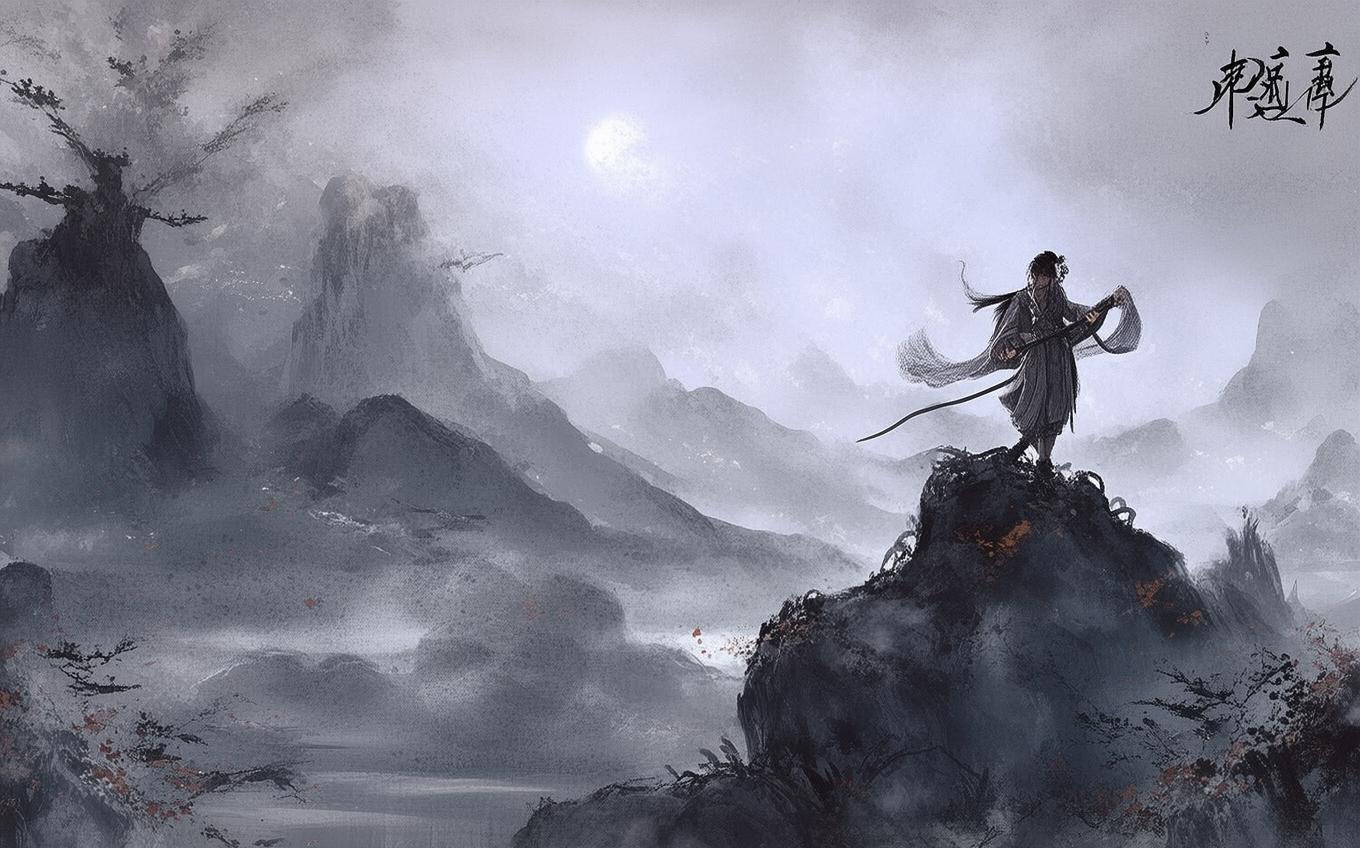
Among the oldest surviving pieces of Chinese poetry are the yuefu (乐府), folk‑style songs collected by the Music Bureau during the Han dynasty (206 BCE – 220 CE). One of the most haunting and powerful of these is “战城南” (Zhàn Chéng Nán – Fighting South of the City), a poem preserved under the category “鼓吹曲辞” (Gǔchuī Qǔcí – Drum and Pipe Songs). Originally set to martial music played on drums and wind instruments, the poem turns the genre on its head: instead of glorifying war, it paints a devastating picture of its aftermath. Anonymous and direct, it speaks across two millennia with a raw anti‑war voice that still resonates today.
The Poem: Full Text and Translation
战城南,死郭北,
Zhàn chéng nán, sǐ guō běi,
They fight south of the city wall, die north of the outer wall.
野死不葬乌可食。
Yě sǐ bù zàng wū kě shí.
In the wild they lie unburied, the crows can feast on them.
为我谓乌:“且为客豪,
Wèi wǒ wèi wū: “Qiě wèi kè háo,”
I say to the crows: “First mourn for these fallen strangers,
野死谅不葬,腐肉安能去子逃?”
Yě sǐ liàng bù zàng, fǔ ròu ān néng qù zǐ táo?”
Dead in the wild, surely unburied; how can rotting flesh escape you?”
水声激激,蒲苇冥冥;
Shuǐ shēng jī jī, pú wěi míng míng;
The water gurgles on, the reeds and rushes darkly dense;
枭骑战斗死,驽马徘徊鸣。
Xiāo qí zhàn dòu sǐ, nú mǎ pái huái míng.
The brave cavalry died in battle, the hobbled horses wander and whinny.
梁筑室,何以南?何以北?
Liáng zhù shì, hé yǐ nán? Hé yǐ běi?
If you build houses on the bridge, how can one go south? How can one go north?
禾黍不获君何食?愿为忠臣安可得?
Hé shǔ bù huò jūn hé shí? Yuàn wèi zhōng chén ān kě dé?
If the grain is not harvested, what will you, my lord, eat? How can you then hope to be a loyal minister?
思子良臣,良臣诚可思:
Sī zǐ liáng chén, liáng chén chéng kě sī:
I think of you, good ministers, you are truly worth remembering:
朝行出攻,暮不夜归。
Zhāo xíng chū gōng, mù bù yè guī.
At dawn you marched out to attack; by dusk you never came home.
Line‑by‑Line Analysis
“战城南,死郭北” – The poem opens with a stark, almost disorienting symmetry. Fighting happens south of the city, but death is spread north of the outer wall. The vagueness of “they” immediately depersonalizes the soldiers; what matters is not who won or lost, but the landscape of corpses that remains. In just six Chinese characters, the poet maps a complete battlefield – and a complete absence of victory.
“野死不葬乌可食” – The unburied dead lie in the open wild, and the crows can eat them. The image is deliberately ugly and confrontational. Burial and ancestral rites were sacred in ancient China; to be left unburied was a final, devastating indignity. By stating it so flatly, the poet refuses to soften the horror.
The address to the crows – In a striking apostrophe, the speaker asks someone to tell the crows: “First mourn for these fallen strangers.” The verb “豪” (háo) here means to wail or cry out in grief, the way one would at a funeral. The speaker bitterly acknowledges that the crows will eat the dead anyway, so they might as well perform a rudimentary rite first. The rhetorical question “腐肉安能去子逃?” (“How can rotting flesh escape you?”) drips with dark irony: the only mourners left are the scavengers, and even they need not hurry.
“水声激激,蒲苇冥冥” – The scene shifts to the natural world. Water continues to splash and gurgle; reeds grow thick and shadowy, indifferent to the slaughter. The onomatopoeic “激激” (jī jī) mimics the relentless sound of moving water, while “冥冥” (míng míng) suggests a twilight dimness, a murk that swallows both the dead and the meaning of their deaths. Nature simply carries on.
“枭骑战斗死,驽马徘徊鸣” – The “枭骑” (xiāo qí), literally “owl‑like cavalry” or “fierce riders,” lie dead in combat, heroes who fought bravely. Beside them, “驽马” (nú mǎ) – the broken, exhausted, or inferior horses – wander aimlessly and neigh. The contrast between the fallen warriors and the living, useless horses amplifies the tragedy: even the animals that remain are lost, their purpose gone.
“梁筑室” and the breakdown of order – The line “梁筑室,何以南?何以北?” presents an image of absurdity: building houses on a bridge, which blocks the passage. If the bridge is blocked, how can one travel south or north? This is a metaphor for the chaos war brings to normal life. Just as a house on a bridge makes movement impossible, war disrupts farming, governance, and every structure of society. The rhetorical questions pile up: “禾黍不获君何食?” – “If the grain is not harvested, what will the ruler eat?” and “愿为忠臣安可得?” – “How can you hope to be a loyal minister under such conditions?” The link is subtle but devastating: when war destroys agriculture, the state itself starves, and the very possibility of loyal service disappears.
“思子良臣” and the fallen – The poem ends with a direct, elegiac address. “良臣” (liáng chén) means “good ministers” or “worthy subjects” – the very men sent to fight. The repetition “良臣诚可思” (“you are truly worth remembering”) is a heartfelt epitaph. The final couplet, “朝行出攻,暮不夜归” (“At dawn they set out to attack; by dusk they never returned”), uses extreme simplicity to convey total loss. Morning and evening frame a single day that erases an entire life.
Themes and Symbolism
The futility and brutality of war – This is the central theme. There is no glory here, no celebration of martial valor. Even the “枭骑” (brave cavalry) are simply dead. The poem refuses to distinguish between friend and foe, focusing only on the unburied bodies, the feeding crows, and the broken horses.
The rupture of social and natural order – War does not only kill people; it unravels the fabric of civilization. The unburied dead offend against ritual piety. The blocked bridge symbolizes paralyzed travel and communication. The unharvested grain foretells famine. The rhetorical question “愿为忠臣安可得?” bitterly suggests that a state that sends its people to die in such chaos cannot expect loyalty in return.
Key symbols:
- Crows – Scavengers that become perverse mourners. They represent nature’s indifference and the degradation of death without ritual.
- Water and reeds – A timeless, uncaring landscape that witnesses human suffering without change. The “激激” sound of water is almost a mocking continuity.
- Bridge and house – A metaphor for self‑destructive actions. Building a house on a bridge renders both bridge and house useless, just as war makes the machinery of the state collapse.
- Dawn and dusk – The brief arc of a soldier’s last day, compressing the whole tragedy of war into the passage from light to darkness.
Mourning and memory – The poem itself becomes a funeral chant. By commanding the crows to wail and by declaring the fallen “truly worth remembering”, the anonymous poet recovers a small human dignity from the anonymous piles of the dead.
Cultural Context
“战城南” belongs to the Han dynasty yuefu tradition, specifically categorized under “鼓吹曲辞” – songs performed with drums and pipes, originally on military occasions or for court ceremonies. It is deeply ironic that such a jarringly anti‑war poem was set to martial music, as if the genre itself is being subverted from within.
The Han empire was frequently at war, particularly with the Xiongnu confederation along its northern borders. Military service was compulsory, and casualties were immense. In a society governed by Confucian ethics, where loyalty to the ruler (“忠”, zhōng) and proper burial rites were fundamental virtues, this poem’s grim images would have been profoundly shocking. It questions the very basis of the ruler–subject relationship: how can a subject be loyal when the ruler fails to provide the conditions for life and dignity?
The poem also reflects a folk sensibility. Unlike the polished verses of scholar‑poets, “战城南” uses plain, repetitive language and concrete rural images – crows, reeds, horses, bridges, grain. This grounding in everyday life makes its anti‑war message feel spontaneous and unmediated, the voice of ordinary people who bear the cost of imperial ambition.
Conclusion
“战城南” endures because it refuses ornament and consolation. In a handful of stark lines, it strips war of heroism and leaves us with the squawking of crows, the aimless neighing of horses, and the unanswerable question “How can you hope to be a loyal minister?” The poem does not preach; it simply shows what is left at the end of a single day of battle: a landscape of the unburied and a world where the water still flows, but the men who should have returned home are gone.
For English‑speaking readers, “Fighting South of the City” offers an early, powerful example of the anti‑war elegy that would echo across world literature. It reminds us that the oldest Chinese poetry already knew what we still struggle to accept – that war is a machine that consumes bodies, communities, and the very ideas of duty and order that claim to justify it. And yet, by remembering the “good ministers” who marched out at dawn and never saw nightfall, the poem itself becomes an act of fidelity, a last ritual for the forever unburied.
Comments (0)
No comments yet. Be the first to comment!