Introduction
“横吹曲辞出塞曲三” is a yuefu-style frontier poem traditionally attributed to 王维 (Wáng Wéi), one of the great poets of the Tang dynasty. The Tang period (618–907) was a golden age of Chinese poetry, and frontier poems—works about borderlands, soldiers, campaigns, and exile—formed one of its most powerful subgenres. These poems often combine vast landscapes with deep human feeling, turning military themes into meditations on distance, duty, and loneliness.
This poem belongs to the tradition of 出塞诗 (chū sài shī), or “poetry of going beyond the frontier passes.” Such poems were especially meaningful in medieval China, when the empire’s northern and western borders were zones of both conflict and cultural encounter. Though brief, “横吹曲辞出塞曲三” carries the compressed intensity typical of Tang verse: a few images open onto an entire emotional world. Its significance lies in how it transforms the hardship of frontier life into a hauntingly beautiful poetic scene.
The Poem: Full Text and Translation
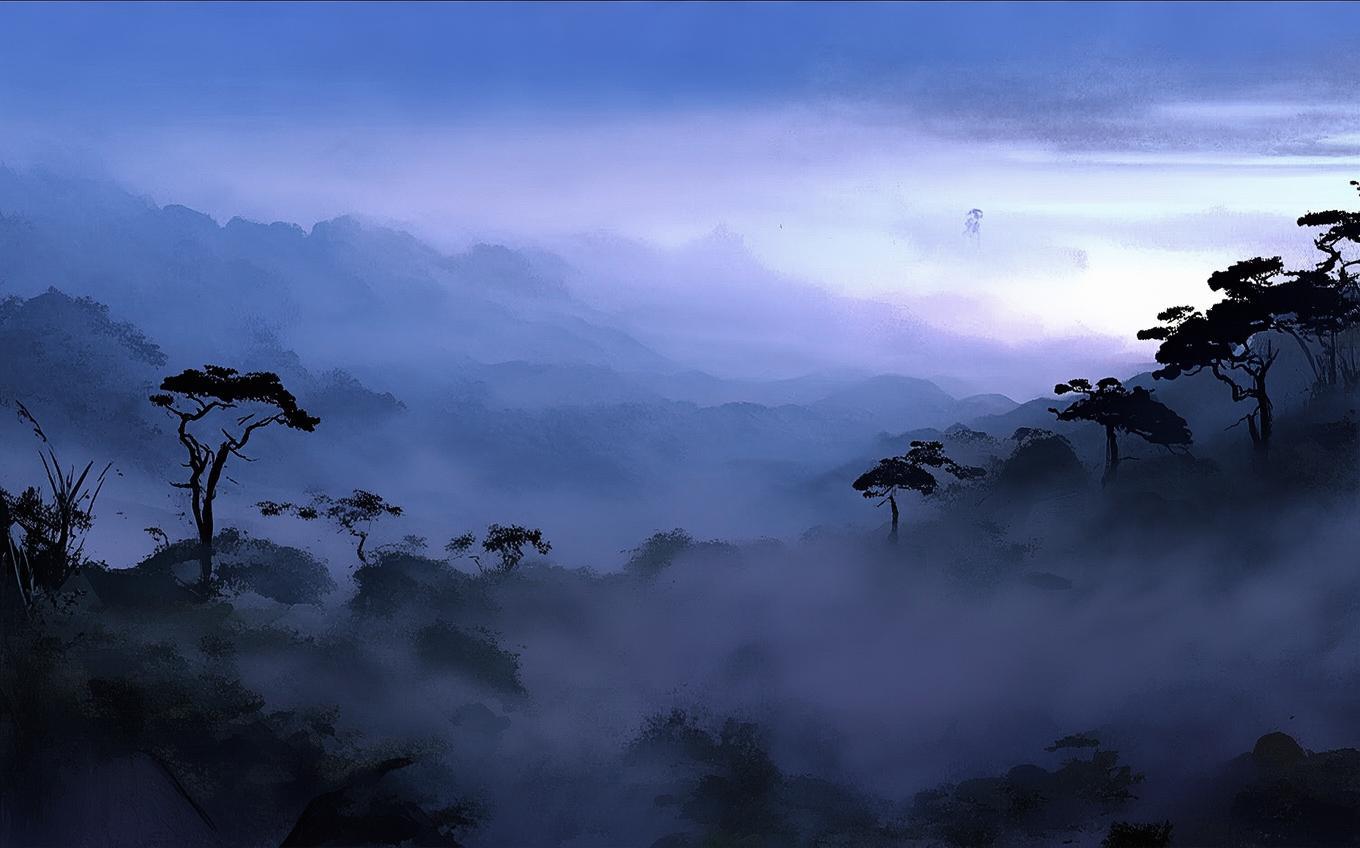
关山正飞雪,烽火断无烟。
Guān shān zhèng fēi xuě, fēng huǒ duàn wú yān.
Over the border mountains, snow is flying thick; at the beacon towers, no smoke rises at all.
汉月垂乡泪,胡沙费马蹄。
Hàn yuè chuí xiāng lèi, Hú shā fèi mǎ tí.
Beneath the moon of Han, homesick tears fall; in the sands of the frontier, horses’ hooves are worn away.
欲求千里脚,先采眼中明。
Yù qiú qiān lǐ jiǎo, xiān cǎi yǎn zhōng míng.
If one would gain the power to travel a thousand li, one must first gather the brightness within the eyes.
寄语边塞人,如何久离别。
Jì yǔ biān sài rén, rú hé jiǔ lí bié.
I send this message to those on the frontier: how can one endure so long a separation?
Line-by-Line Analysis
The first line, “关山正飞雪”, immediately places us in a severe frontier landscape. 关山 (guān shān) refers not merely to mountains, but to the mountain passes that marked the edges of the empire. These were strategic and symbolic spaces: places of defense, danger, and departure. The phrase 正飞雪 suggests snow falling at that very moment, giving the scene urgency and cold movement. This is not a remembered landscape but one experienced directly and harshly.
The second half of the opening couplet, “烽火断无烟”, introduces the image of beacon fires. In ancient China, beacon towers sent military signals by smoke in the day and fire at night. Here, however, there is no smoke. This silence is striking. It may suggest a pause in battle, but it does not create peace. Instead, it produces emptiness and tension. The frontier is vast, frozen, and mute. The absence of smoke becomes as expressive as smoke itself would have been.
The next line, “汉月垂乡泪”, moves from landscape to emotion. The moon in Chinese poetry is a classic symbol of shared distance: people far apart may gaze at the same moon and feel connected. The phrase 汉月 (Hàn yuè) evokes the moon shining over Chinese lands, but it also carries civilizational overtones—“Han” suggesting the cultural heartland of China. Under this moon, tears of homesickness fall. The line is beautifully compressed: the moon does not literally cause tears, but it seems to draw them down, as if light itself becomes emotional weight.
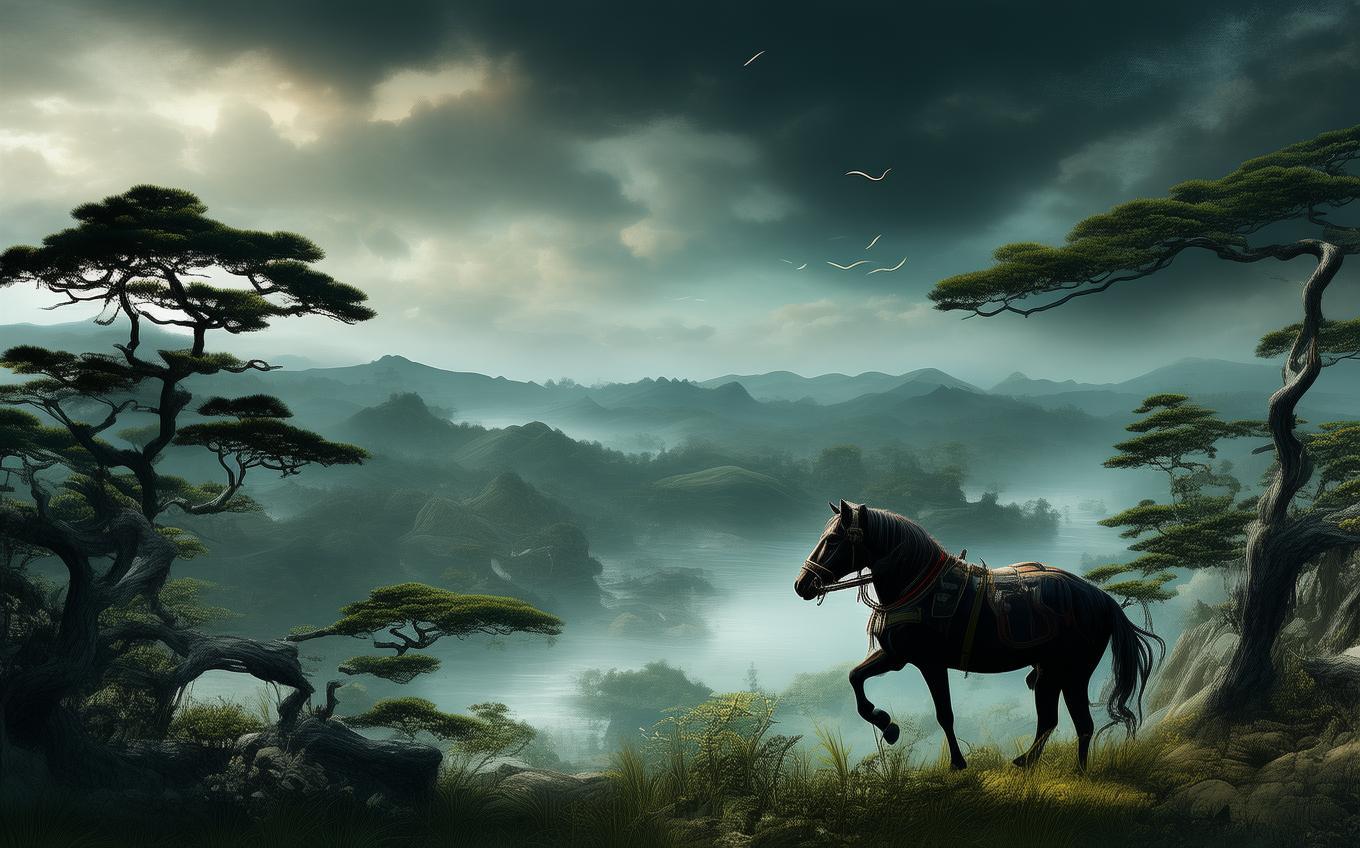
Then comes “胡沙费马蹄”, which shifts back to the hardships of travel and campaigning. 胡 (Hú) often refers in classical texts to non-Han peoples of the northern and western frontier; 胡沙 therefore means the sands of those border regions. The image of sand wearing down horses’ hooves is vivid and physical. It conveys not only distance but exhaustion. The frontier is not simply far away; it actively consumes strength, both human and animal.
The third couplet is more difficult and suggestive: “欲求千里脚,先采眼中明。” On one level, it sounds almost proverbial. 千里脚—literally “feet for a thousand li”—suggests the ability to travel great distances swiftly. But before that, one must gather 眼中明, “the brightness in the eyes.” This may imply clarity of vision, spirit, or resolve. In other words, endurance in the frontier world begins inwardly. Before the body can cross distance, the mind must possess focus and light. This line deepens the poem beyond simple description, turning hardship into a test of inner strength.
The final line, “寄语边塞人,如何久离别。”, is direct and deeply human. The speaker sends a message to those stationed at the borders and asks: how can such long separation be borne? This rhetorical question gives the poem its emotional center. The earlier images of snow, silence, moonlight, sand, and weary horses all lead here. The frontier is not merely a military setting; it is a condition of prolonged parting. The poem ends not with triumph but with compassion.
Themes and Symbolism
One major theme of the poem is homesickness. This is one of the defining emotions of frontier poetry in China. Soldiers, officials, and travelers at the empire’s edges often appear not as heroic conquerors but as people painfully conscious of distance from home. The line about tears beneath the moon expresses this with great economy.
Another important theme is endurance under hardship. Snow, desert sand, and exhausted horses all symbolize the difficulty of life on the frontier. Nature in this poem is not decorative; it is a force that shapes human feeling and bodily experience. The landscape becomes a partner in suffering.
The poem also explores separation and emotional isolation. The beacon towers without smoke suggest silence and interruption of communication. The moon, by contrast, becomes a symbol of invisible connection. These paired images—broken signals and shared moonlight—capture two opposite conditions: distance that wounds, and distance that still permits feeling to travel.
A further theme is inner strength. The line about “gathering brightness within the eyes” hints that survival in difficult circumstances depends not only on physical power but also on mental clarity and spiritual resilience. This is a subtle but profound turn, revealing the poem’s reflective depth.
Cultural Context
Frontier poetry flourished in the Tang dynasty because the empire was heavily engaged with its border regions, especially in the northwest. Armies, envoys, merchants, and exiles moved through these areas, and poets often imagined or experienced the emotional cost of such journeys. The genre of 横吹曲辞 (héngchuī qǔ cí) originally had connections to military music and performance. Over time, these titles became literary frames within which poets expressed the frontier imagination.
This poem reflects important Chinese cultural values, especially the emotional significance of home and separation from one’s native place. In classical Chinese thought, attachment to family and homeland was not seen as weakness; it was part of moral life. Confucian culture placed great value on kinship, duty, and rootedness. Thus, homesickness in poetry often carries ethical as well as emotional meaning.
The poem also shows the Chinese poetic tendency to join outer scene and inner feeling. Rather than stating emotion abstractly, the poet lets snow, moon, sand, and horses embody emotional states. This technique is central to classical Chinese poetry and helps explain its remarkable density. A short poem can hold an entire world because image and feeling are inseparable.
Finally, the contrast between Han and Hu reflects a historical consciousness of cultural borders. Yet the poem does not dwell on political hostility. Instead, it emphasizes the shared human burden of distance and fatigue. In that sense, it turns a frontier setting into a universal meditation on absence.
Conclusion
“横吹曲辞出塞曲三” is a compact but moving example of Tang frontier poetry. Its beauty lies in its ability to create a stark landscape—snow over mountain passes, silent beacon towers, desert sand, and a cold moon—while also revealing the tenderness of homesickness and the pain of long separation.
What gives the poem enduring appeal is this balance between grandeur and intimacy. It speaks of empire, distance, and hardship, yet at its heart it asks a timeless human question: how do people endure being far from those they love? That question remains as powerful today as it was in the Tang dynasty, which is why the poem still resonates across languages and cultures.
Comments (0)
No comments yet. Be the first to comment!