Introduction
- “横吹曲辞折杨柳一” (Héngchuī Qǔcí: Zhé Yángliǔ, No. 1) is commonly associated with 卢照邻 (Lú Zhàolín, c. 636–c. 695), one of the “Four Paragons of the Early Tang” (初唐四杰).
- The poem belongs to the Music Bureau tradition (乐府, yuèfǔ), specifically the category of “横吹曲辞” (héngchuī qǔcí), songs originally connected with wind instruments and often with frontier or military themes.
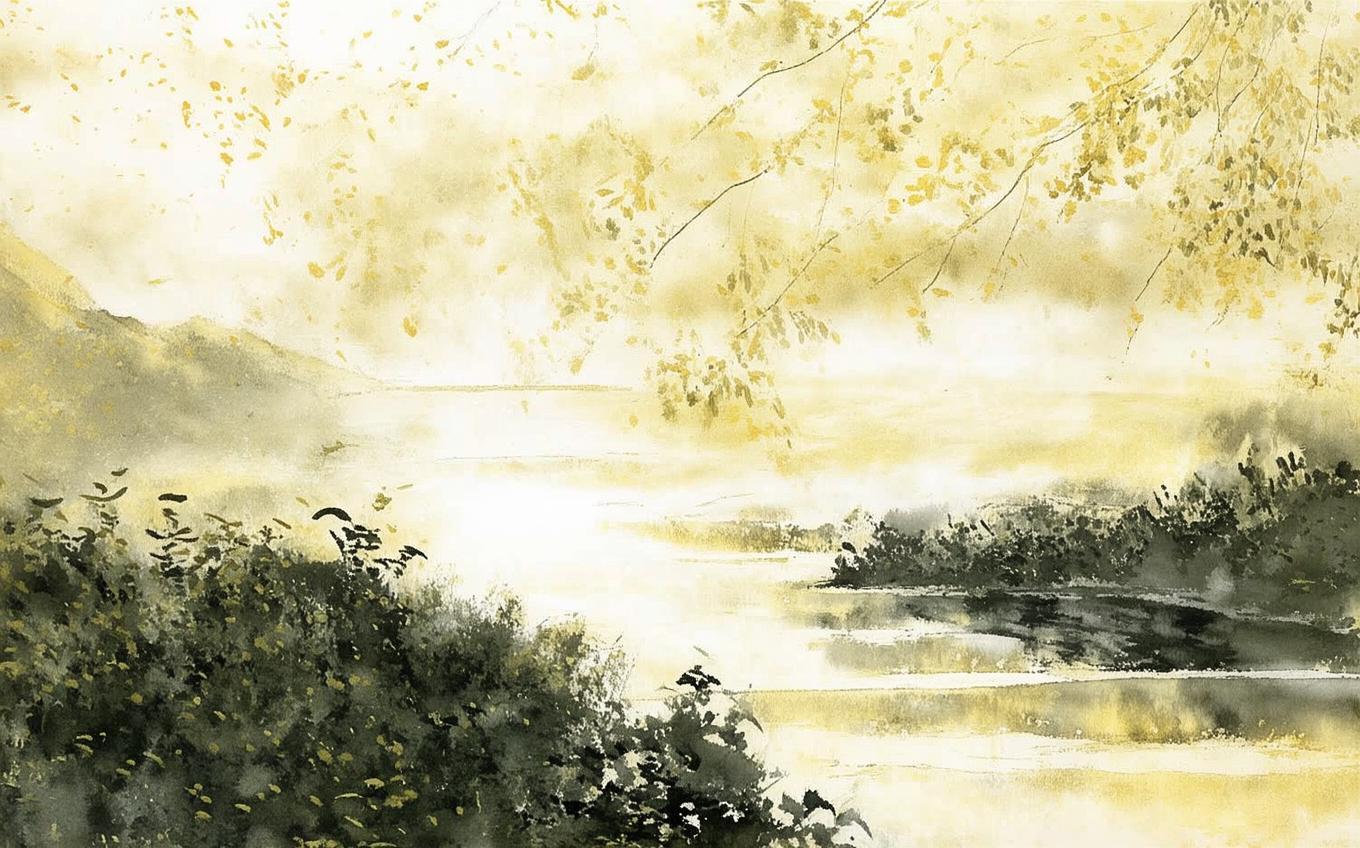
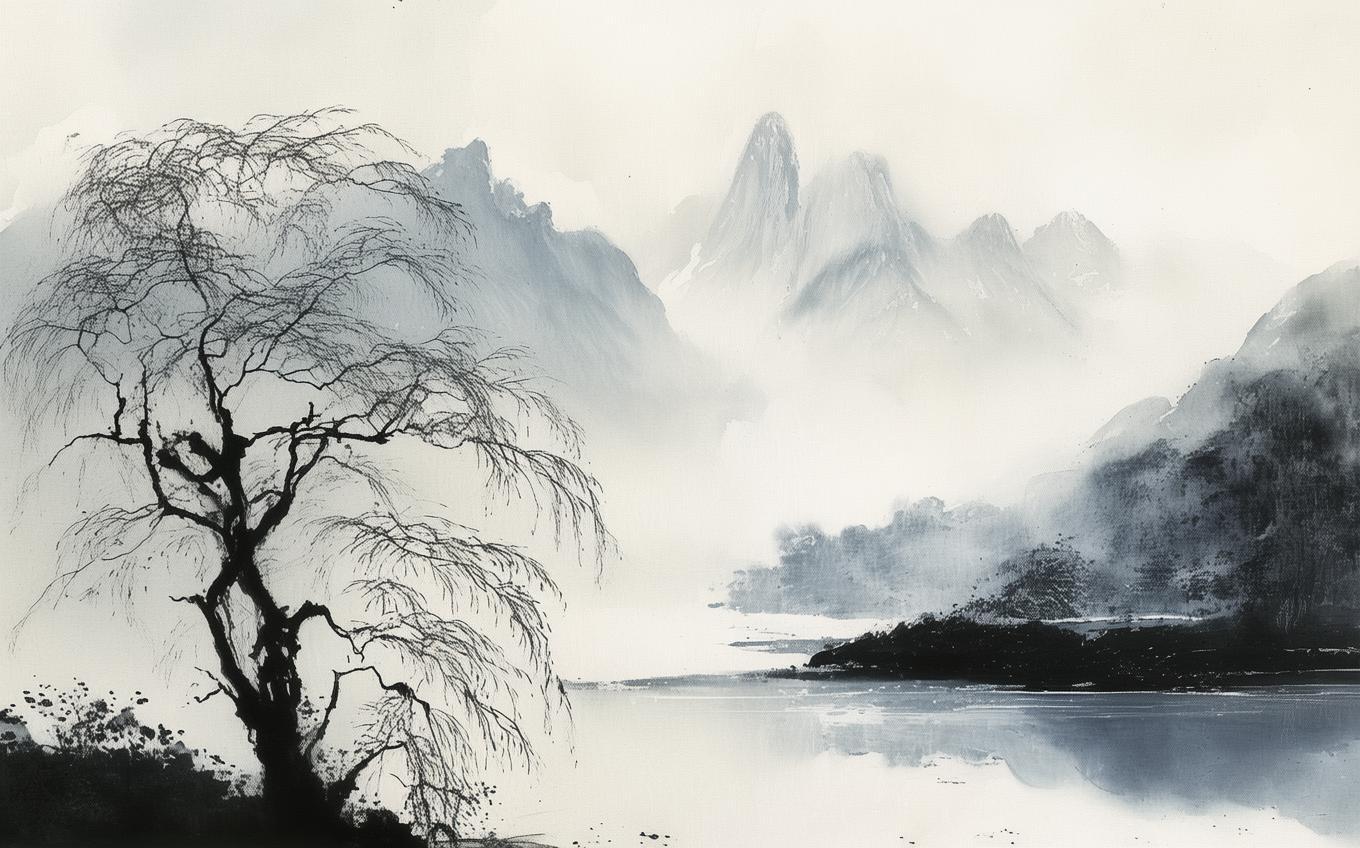
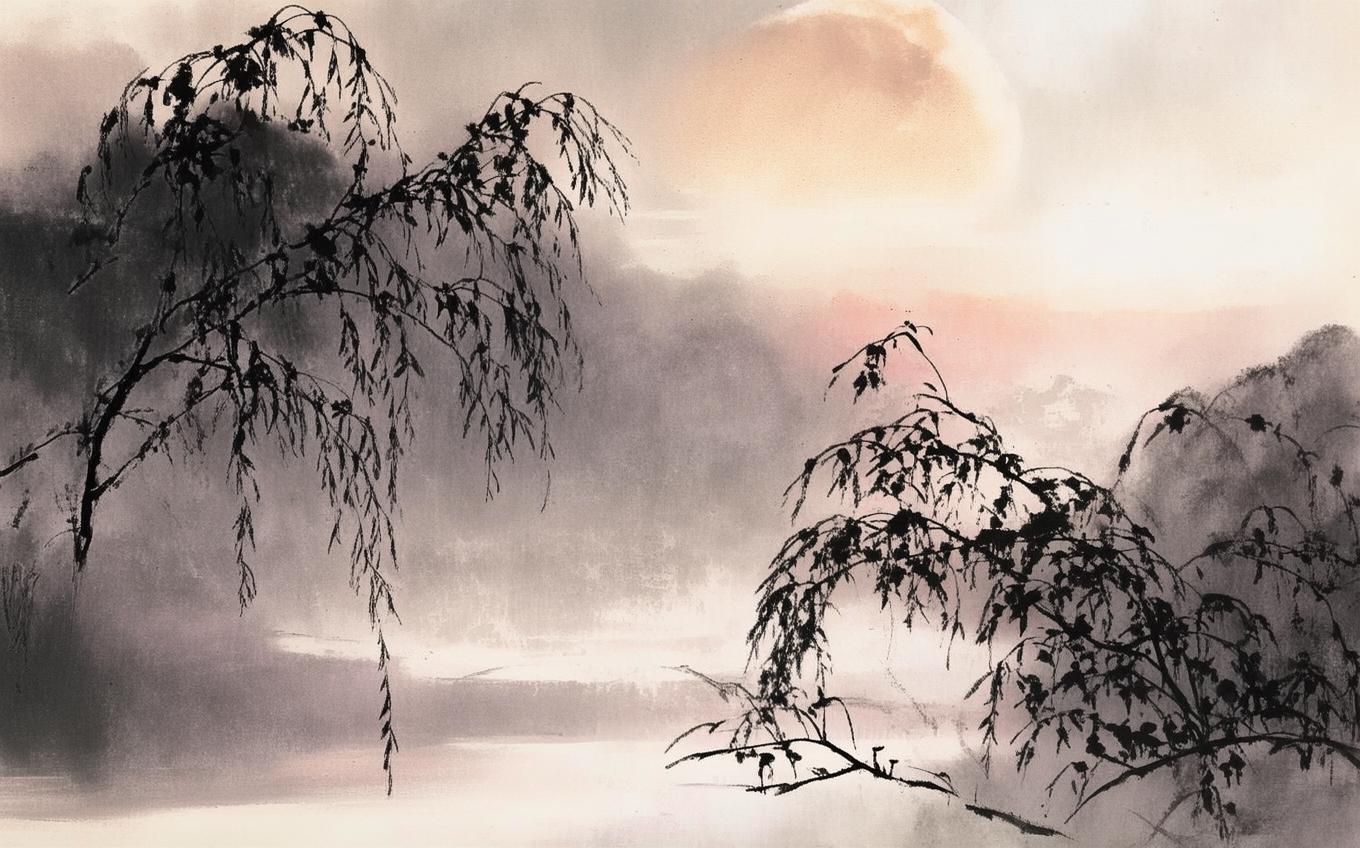
- “折杨柳” (Zhé Yángliǔ, “Breaking Willow Branches”) is a famous Chinese poetic motif. In ancient China, willow branches were often broken and given as farewell gifts, because “柳” (liǔ, willow) sounds like “留” (liú, to stay), expressing the wish that a departing person might remain.
The Poem: Full Text and Translation
倡楼启曙扉
Chāng lóu qǐ shǔ fēi
The courtesan’s tower opens its dawn-lit doors.
园柳正依依
Yuán liǔ zhèng yī yī
The garden willows are just now tenderly swaying.
鸟鸣知岁隔
Niǎo míng zhī suì gé
From the birdsong, one knows another year has passed.
条变识春归
Tiáo biàn shí chūn guī
From the changed willow branches, one recognizes spring’s return.
露叶疑啼脸
Lù yè yí tí liǎn
Dew on the leaves seems like a tear-stained face.
风花乱舞衣
Fēng huā luàn wǔ yī
Windblown blossoms scatter like fluttering dance robes.
攀折聊将寄
Pān zhé liáo jiāng jì
I break off a branch, if only to send it away.
军中音信稀
Jūn zhōng yīn xìn xī
For news from the army is rare.
Line-by-Line Analysis
-
“倡楼启曙扉 / The courtesan’s tower opens its dawn-lit doors.”
The poem begins at dawn. The “倡楼” (chāng lóu) suggests a pleasure house or singing-girl’s residence, a place associated with music, beauty, longing, and emotional performance. The opening of the doors at daybreak creates a theatrical atmosphere: the world is waking, but the speaker’s heart is already burdened. -
“园柳正依依 / The garden willows are just now tenderly swaying.”
The phrase “依依” (yī yī) is rich in feeling. It can describe soft movement, but also reluctance to part. The willow is not merely a plant here; it becomes an emotional mirror. Its swaying branches seem to embody hesitation, attachment, and farewell. -
“鸟鸣知岁隔 / From the birdsong, one knows another year has passed.”
Birdsong usually signals spring and renewal, but here it also marks time’s painful passage. The speaker hears the birds and realizes that separation has lasted through the turning of another year. Natural beauty becomes a reminder of human absence. -
“条变识春归 / From the changed willow branches, one recognizes spring’s return.”
The willow branches have changed with the season. In Chinese poetry, spring is often both joyful and sorrowful: it brings life back to the world, but it also intensifies longing. The returning spring contrasts sharply with the absent beloved, who has not returned from the army. -
“露叶疑啼脸 / Dew on the leaves seems like a tear-stained face.”
This is one of the poem’s most delicate images. Dew becomes tears, and leaves become a human face. The natural world appears to grieve with the speaker. Rather than directly saying “I am crying,” the poet lets the willow leaves carry the emotion. -
“风花乱舞衣 / Windblown blossoms scatter like fluttering dance robes.”
The blossoms in the wind are compared to dancing clothes. This image is beautiful but unstable: the flowers are scattered and disordered. The line may also echo the world of the “倡楼,” where music and dance are common, yet the beauty of performance cannot conceal loneliness. -
“攀折聊将寄 / I break off a branch, if only to send it away.”
The act of breaking a willow branch is central to the poem. In ancient farewell culture, giving willow expressed attachment and the hope of reunion. Here, the speaker breaks a branch not at the moment of parting, but during prolonged separation, turning the gesture into a message across distance. -
“军中音信稀 / For news from the army is rare.”
The final line reveals the emotional core of the poem. The absent person is in the military, likely far away at the frontier. Communication is scarce, so the willow branch becomes a substitute for words. The poem ends quietly, but the silence is heavy with anxiety and longing.
Themes and Symbolism
- Separation and longing: The poem centers on the pain of waiting for someone far away. The beloved’s absence is made more painful by the return of spring.
- The willow as farewell symbol: In Chinese culture, the willow represents parting because of the wordplay between “柳” (liǔ) and “留” (liú). To break a willow branch is to express the wish that someone might stay or return.
- Nature as emotional reflection: Dew, birds, blossoms, and branches all reflect the speaker’s inner sorrow. The poem does not separate human feeling from the natural world.
- Beauty mixed with sadness: Spring scenery is vivid and graceful, but it deepens the sense of loneliness. The world is alive, while the speaker remains trapped in waiting.
- War and private suffering: The final reference to the army reminds readers that military service affects not only soldiers but also those left behind.
Cultural Context
- The poem comes from the broader 乐府 (yuèfǔ) tradition, where poems were often connected to music and public performance. These works frequently used familiar themes, such as farewell, frontier service, and longing, while allowing individual poets to reshape them with personal emotion.
- During the Tang dynasty, frontier warfare and military postings were common literary subjects. Many poems describe soldiers at distant borders, but this poem focuses on the person waiting at home. That perspective gives the poem a quiet emotional power.
- The willow farewell custom was deeply rooted in Chinese culture. At places of departure, especially bridges and city gates, friends or lovers might break willow branches as parting gifts. The gesture combines tenderness, sorrow, and hope.
- The poem also reflects a Chinese aesthetic value: emotion is often expressed indirectly through images. Instead of declaring grief openly, the poet lets dew resemble tears and blossoms resemble dance robes. This restraint makes the feeling more subtle and lasting.
Conclusion
“横吹曲辞折杨柳一” is a short but emotionally rich poem about separation, seasonal change, and the fragile hope of communication. Through the image of the willow, Lu Zhaolin transforms a simple spring scene into a meditation on love and absence.
Its beauty lies in its balance: the poem is graceful but sorrowful, delicate but deeply human. For modern readers, it reminds us that longing across distance is an ancient experience. Even when messages are rare, people still search for symbols—a branch, a song, a memory—to carry what the heart cannot easily say.

Comments (0)
No comments yet. Be the first to comment!