Introduction
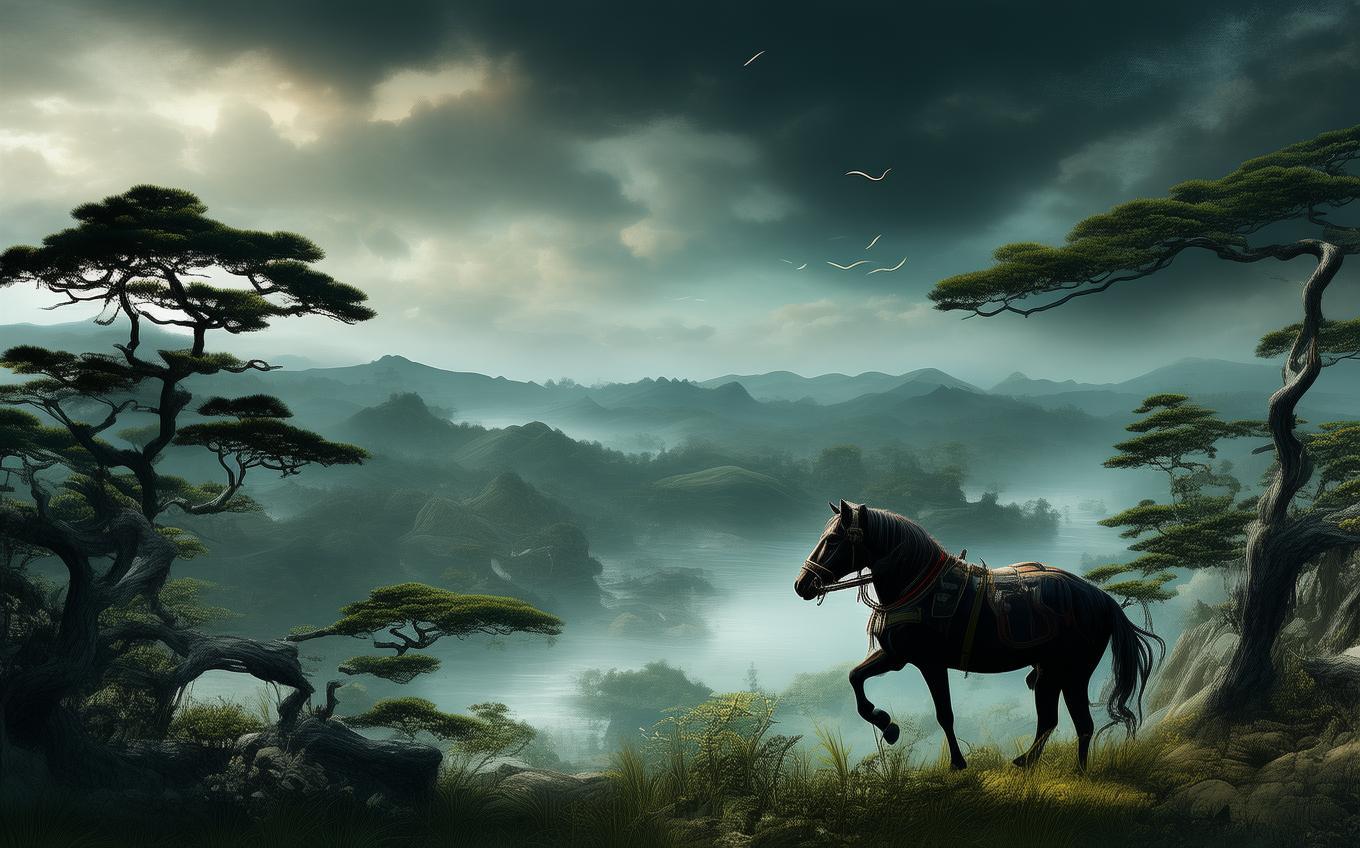
- “横吹曲辞入塞曲三” (Héngchuī Qǔcí: Rùsài Qǔ Sān) belongs to the tradition of Yuefu poetry, a genre rooted in ancient Chinese court and folk music. “横吹曲辞” refers to lyrics for wind-instrument military music, often associated with frontier campaigns, soldiers, and the harsh landscape beyond the Great Wall.
- The poem is traditionally connected with the frontier-poetry tradition of the Tang dynasty, a period when Chinese poets frequently wrote about warfare, border defense, exile, longing, and the emotional cost of empire.
- Its significance lies in the way it compresses a vast historical world—military duty, imperial ambition, homesickness, and the lonely borderlands—into a few powerful images.
The Poem: Full Text and Translation
将军陷虏围
Jiāngjūn xiàn lǔ wéi
The general is trapped inside the enemy’s encirclement.
边务息戎机
Biānwù xī róngjī
Affairs on the frontier fall silent; the machinery of war pauses.
霜雪交河尽
Shuāngxuě Jiāohé jìn
Frost and snow stretch to the end of the Jiao River.
旌旗入塞飞
Jīngqí rù sài fēi
Banners fly as the army enters the frontier pass.
晓云随去阵
Xiǎoyún suí qù zhèn
Dawn clouds follow the departing battle formation.
寒日逐归晖
Hán rì zhú guī huī
The cold sun pursues the returning glow.
明月照孤客
Míngyuè zhào gū kè
The bright moon shines upon a lonely traveler.
边声夜夜悲
Biānshēng yè yè bēi
The sounds of the frontier are sorrowful night after night.
Line-by-Line Analysis
- The opening line, “将军陷虏围,” immediately places us in crisis. The general, usually a symbol of command and authority, is now “trapped.” This reversal creates tension: even heroic figures are vulnerable in the chaos of frontier war.
- “边务息戎机” suggests a pause in military operations. Yet this silence is not peaceful. It feels heavy and ominous, as if the entire border has stopped breathing while waiting for news from battle.
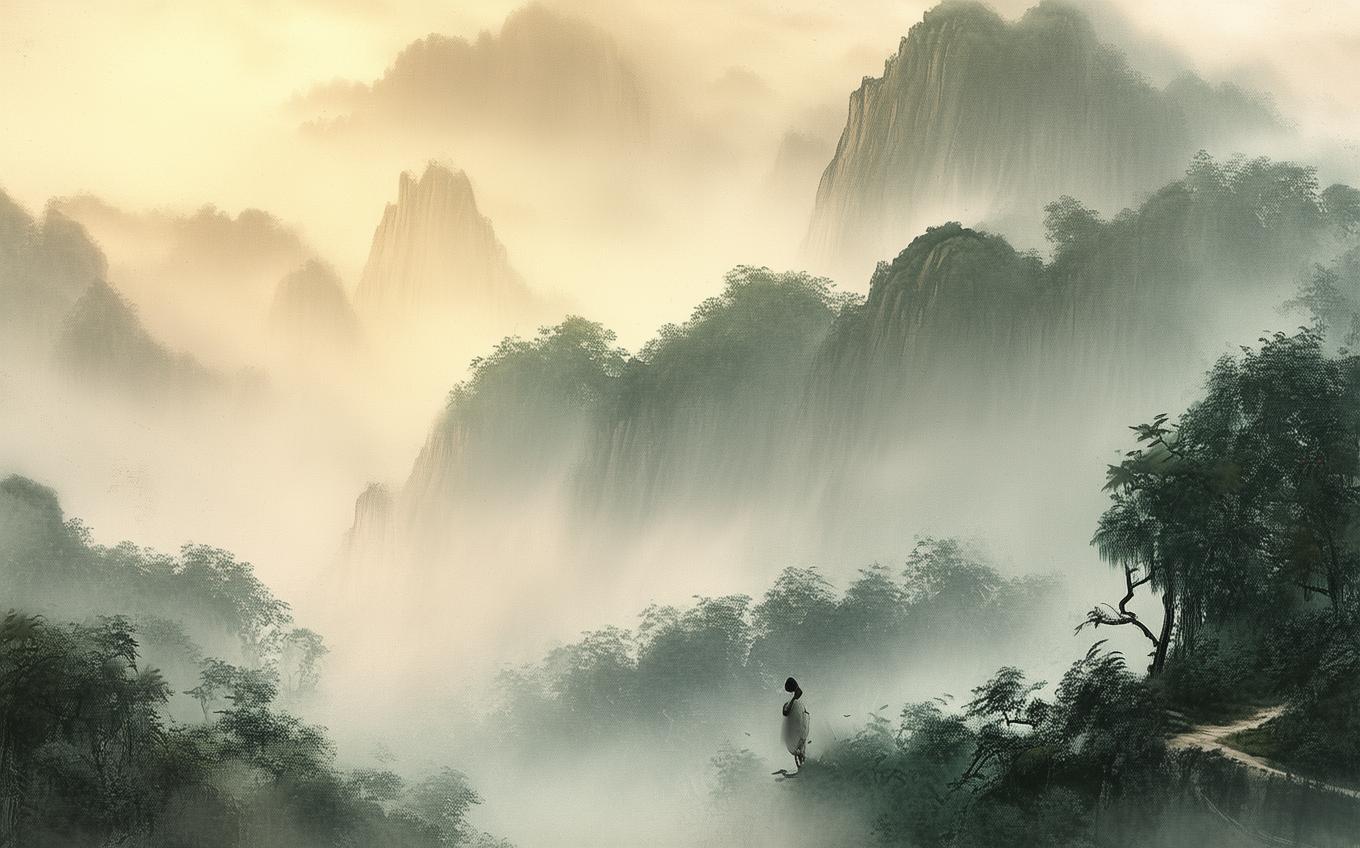
- “霜雪交河尽” shifts from human action to landscape. Frost and snow dominate the frontier world. The “Jiao River” evokes the remote northwest, a place associated with military hardship, distance from home, and the bitter climate beyond the central plains.
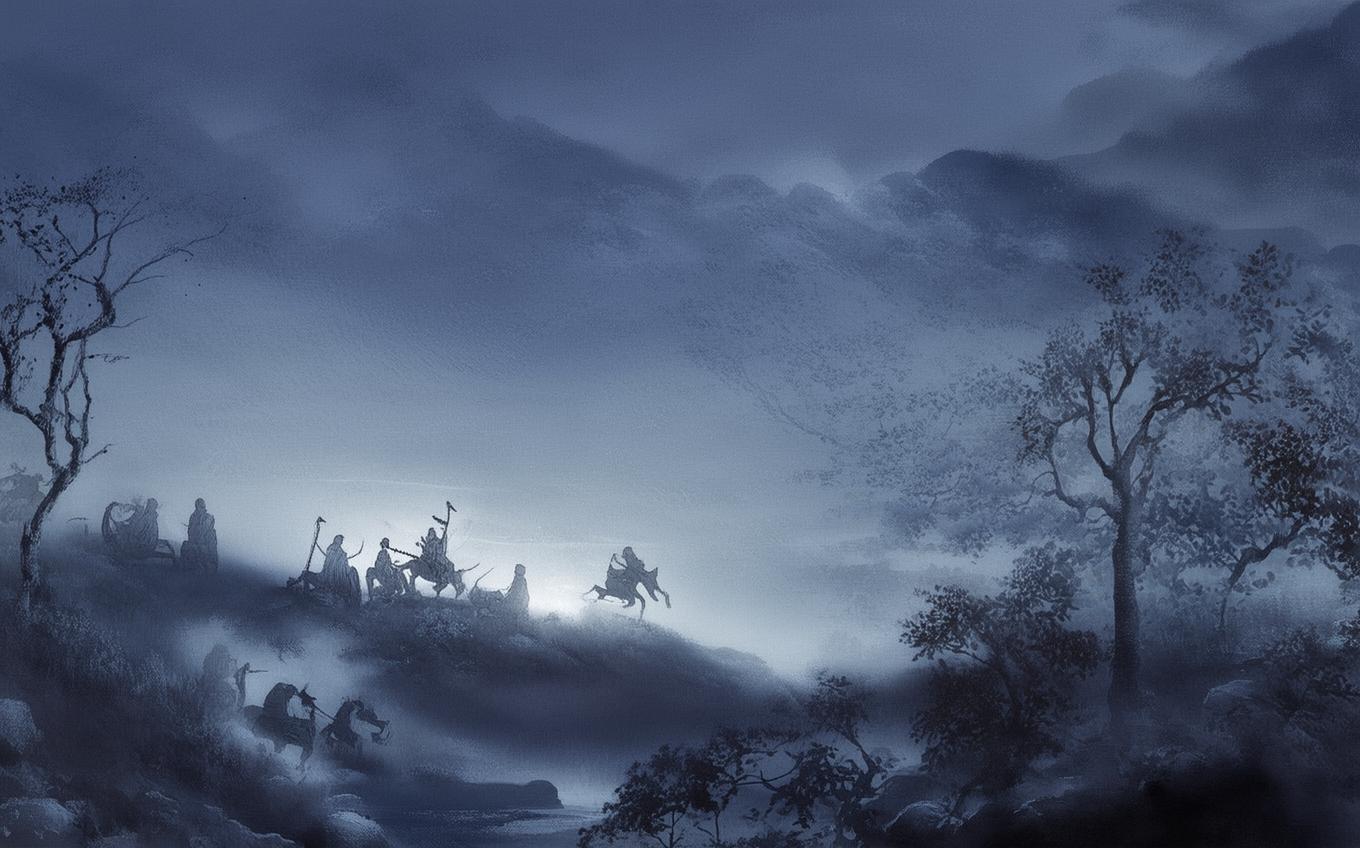
- “旌旗入塞飞” brings movement back into the poem. The flying banners are visually dramatic, suggesting troops entering the pass. The verb “飞” gives the scene urgency, as if the banners themselves are swept forward by wind, war, and fate.
- “晓云随去阵” is a beautiful example of Tang poetic imagination. The dawn clouds seem to accompany the soldiers. Nature does not merely form a background; it becomes emotionally involved in the human drama.
- “寒日逐归晖” deepens the cold atmosphere. The sun is not warm or comforting but “cold.” Its fading light suggests the end of day, the uncertainty of return, and perhaps the fading of hope.
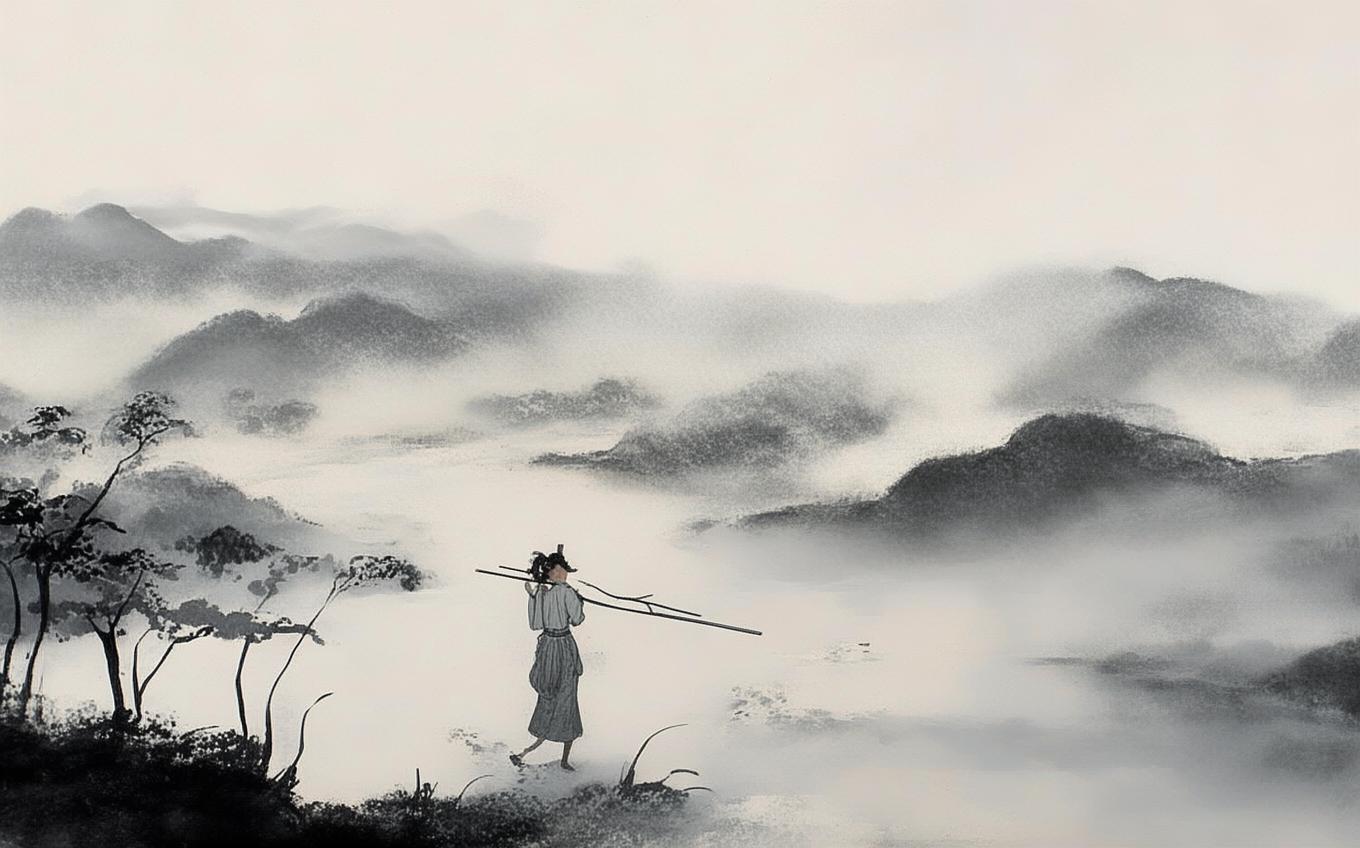
- “明月照孤客” narrows the focus to one solitary figure. The moon is a classic symbol in Chinese poetry: it often represents homesickness, separation, and shared longing across distance. Here, the moon illuminates loneliness rather than reunion.
- “边声夜夜悲” closes the poem with sound. “Frontier sounds” may include wind, flutes, horns, horses, and distant military signals. The repetition of “夜夜” emphasizes duration: sorrow is not momentary, but repeated every night.
Themes and Symbolism
- War and vulnerability: The trapped general shows that war is unpredictable. Status and courage cannot guarantee safety.
- Loneliness and exile: The “孤客,” or lonely traveler, represents soldiers and officials stationed far from home.
- Nature as emotional mirror: Frost, snow, cold sun, dawn clouds, and moonlight reflect the inner world of those on the border.
- The frontier as a symbolic space: In Chinese literature, the border is not only a geographical location. It is a place of danger, ambition, sacrifice, and emotional separation.
- Sound and sorrow: The “边声” captures the haunting atmosphere of frontier life. Music and military signals become expressions of grief.
Cultural Context
- Frontier poetry became especially prominent in the Tang dynasty, when the empire expanded its military presence into Central Asia and maintained garrisons along distant borders.
- The title “入塞曲” means “Song of Entering the Frontier Pass.” Such poems were connected to musical traditions, especially military music performed with wind instruments. This helps explain the poem’s strong rhythm and vivid battlefield atmosphere.
- For Chinese readers, the frontier often evoked a tension between public duty and private feeling. A soldier might serve the state with loyalty, yet still suffer homesickness, fear, and grief.
- The poem reflects a central value in Chinese literary culture: the ability to express deep emotion indirectly through landscape. Rather than saying “I am sad” in plain terms, the poem lets frost, moonlight, cold sunlight, and night sounds carry the sorrow.
Conclusion
- “横吹曲辞入塞曲三” is powerful because it combines military grandeur with human loneliness. Banners fly, armies move, and generals face danger, yet the final emotional impression is not glory but sorrow.
- Its enduring appeal comes from this balance: the poem honors the seriousness of duty while refusing to ignore the pain of those who live at the edge of empire.
- For modern readers, the poem remains relevant because it reminds us that behind every historical campaign are individual lives—people who looked at the same moon, heard the same night wind, and longed for home.
Comments (0)
No comments yet. Be the first to comment!