Introduction
- 柳初新 (Liǔ Chū Xīn) is not the poet’s name but a cí tune pattern—a fixed lyrical form used by poets in the Song dynasty. The poem analyzed here is 《柳初新·东郊向晓星杓亚》 by 柳永 (Liǔ Yǒng, c. 984–1053), one of the most influential writers of Song dynasty cí poetry.
- Liu Yong lived during the Northern Song dynasty, a period of urban prosperity, refined entertainment culture, and a flourishing civil service examination system. His poetry often captures city life, romance, travel, longing, and public celebration.
- This poem is significant because it combines spring imagery, imperial grandeur, and the joy of newly successful examination candidates. It offers English-speaking readers a vivid glimpse into how nature, politics, and personal ambition could merge in classical Chinese poetry.
The Poem: Full Text and Translation
东郊向晓星杓亚。
Dōng jiāo xiàng xiǎo xīng biāo yà.
In the eastern suburbs, near dawn, the handle of the stars tilts low.
报帝里、春来也。
Bào dì lǐ, chūn lái yě.
It announces to the imperial capital: spring has arrived.
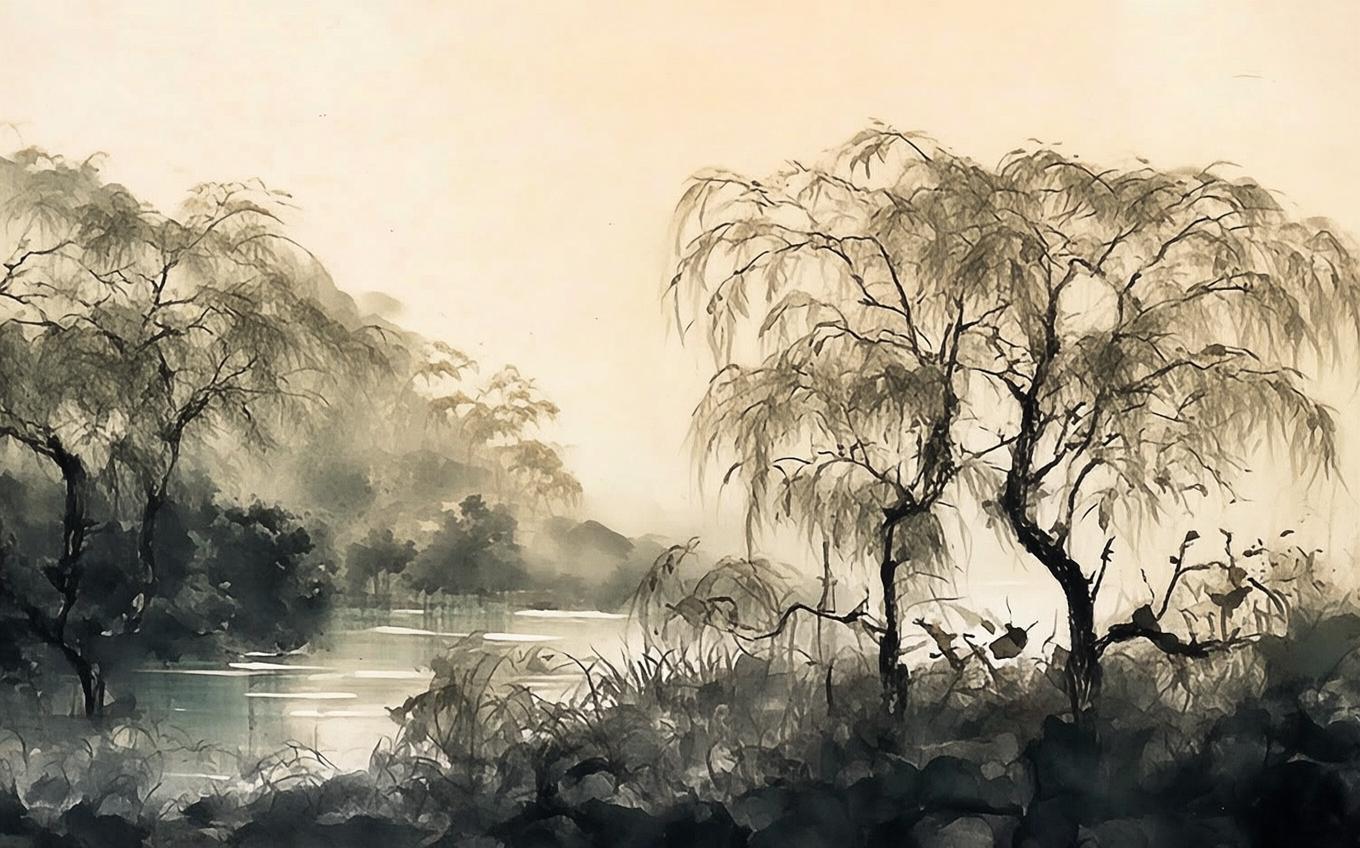
柳抬烟眼,花匀露脸,
Liǔ tái yān yǎn, huā yún lù liǎn,
Willows lift their misty eyes; flowers evenly reveal dew-bright faces.
渐觉绿娇红姹。
Jiàn jué lǜ jiāo hóng chà.
Gradually one senses tender greens and dazzling reds.
妆点层台芳榭。
Zhuāng diǎn céng tái fāng xiè.
They adorn layered terraces and fragrant pavilions.
运神功、丹青无价。
Yùn shén gōng, dān qīng wú jià.
Nature works with divine skill, beyond the price of any painting.
别有尧阶试罢。
Bié yǒu Yáo jiē shì bà.
Elsewhere, before the steps of Yao, the examinations have ended.
新郎君、成行如画。
Xīn láng jūn, chéng háng rú huà.
The newly honored young gentlemen stand in rows like a painting.
杏园风细,桃花浪暖,
Xìng yuán fēng xì, táo huā làng nuǎn,
In the Apricot Garden the breeze is delicate; peach-blossom waves are warm.
竞喜羽迁鳞化。
Jìng xǐ yǔ qiān lín huà.
All rejoice, like birds changing feathers and fish transforming into dragons.
遍九陌、相将游冶。
Biàn jiǔ mò, xiāng jiāng yóu yě.
Across the nine avenues, they go together in elegant celebration.
骤香尘、宝鞍骄马。
Zhòu xiāng chén, bǎo ān jiāo mǎ.
Fragrant dust rises suddenly beneath jeweled saddles and proud horses.
Line-by-Line Analysis
- “东郊向晓星杓亚” opens at dawn, in the eastern suburbs of the capital. The phrase 星杓 refers to the handle of the Big Dipper, whose position was traditionally associated with seasonal change. The tilting stars suggest that cosmic time itself is turning toward spring.
- “报帝里、春来也” makes spring sound like a royal announcement delivered to the capital. The city is not merely a location; it is the heart of empire, where natural renewal and political order seem harmoniously connected.
- “柳抬烟眼,花匀露脸” personifies willows and flowers. The willows have “misty eyes,” while flowers show “dew-bright faces.” This delicate language gives nature a human charm, as if spring were a beautiful person waking from sleep.
- “渐觉绿娇红姹” intensifies the colors of spring. Green and red are not just visual details; they represent vitality, youth, sensual beauty, and the emotional awakening of the season.
- “妆点层台芳榭” moves from nature to architecture. Terraces and pavilions are “adorned” by spring, suggesting the refined pleasure gardens of the Song elite.
- “运神功、丹青无价” compares spring’s beauty to a priceless painting. 丹青 literally means red and blue-green pigments, a traditional term for painting. Liu Yong suggests that no human artist can rival nature’s divine brushwork.
- “别有尧阶试罢” shifts the poem from landscape to public ceremony. 尧 (Yáo) was a legendary sage-king, so “Yao’s steps” symbolize an idealized imperial court. The line refers to the completion of the civil service examinations.
- “新郎君、成行如画” describes the newly successful candidates. The phrase 新郎君 here does not mean bridegrooms in the modern sense, but newly distinguished young men. They stand “like a painting,” becoming part of the same aesthetic world as spring scenery.
- “杏园风细,桃花浪暖” evokes traditional scenes of celebration after examination success. The Apricot Garden was associated with banquets for successful candidates, while peach blossoms suggest warmth, romance, and youthful glory.
- “竞喜羽迁鳞化” uses two transformation images: birds changing feathers and fish becoming dragons. In Chinese culture, the fish transforming into a dragon is a powerful metaphor for passing the imperial examinations and rising in status.
- “遍九陌、相将游冶” portrays the candidates roaming the capital’s broad avenues. 九陌 suggests the grand streets of the imperial city. Their movement through the city is both literal celebration and symbolic entry into public life.
- “骤香尘、宝鞍骄马” closes with speed, luxury, and splendor. Fragrant dust, jeweled saddles, and proud horses create a dazzling urban image of success, youth, and social prestige.
Themes and Symbolism
- Spring as Renewal: The poem uses spring to symbolize fresh beginnings—not only in nature but also in human life and political society.
- Examination Success: The newly successful candidates embody social mobility. In imperial China, passing the civil service examinations could transform a scholar’s life.
- Nature and Empire: The arrival of spring in the capital suggests harmony between heaven, earth, and the imperial order.
- Transformation: The image of fish becoming dragons reflects one of the most important dreams in traditional Chinese society: rising through learning and merit.
- Beauty as Public Celebration: Unlike poems of private melancholy, this work is festive and communal. The city itself becomes a stage for spring, ambition, and joy.
Cultural Context
- The Song dynasty was deeply shaped by the civil service examination system, which selected officials through literary and intellectual achievement. Success in the exams brought honor not only to the individual but also to the family.
- Liu Yong is famous for writing cí poems in a more popular, musical, and urban style. His works often reflect the pleasures and emotions of city life, making him especially important in the development of Song lyric poetry.
- The poem reflects a Confucian cultural ideal: personal talent should serve the state. The joyful candidates are not merely celebrating private success; they are entering the moral and administrative world of the empire.
- At the same time, the poem also shows the Song love of elegance: gardens, pavilions, flowers, horses, and painted beauty all belong to a refined urban culture where art and daily life overlap.
Conclusion
- 《柳初新·东郊向晓星杓亚》 is a radiant poem of spring, success, and social transformation. Liu Yong turns the capital city into a living painting, where flowers bloom, candidates rejoice, and the promise of renewal fills the air.
- Its enduring appeal lies in the way it connects natural beauty with human aspiration. For modern readers, the poem reminds us that moments of achievement often feel like spring: the world seems brighter, movement becomes freer, and the future opens like a blossom.
Comments (0)
No comments yet. Be the first to comment!