Introduction
- “征部乐” (Zhēng Bù Yuè) is the name of a cí tune pattern rather than the title of a poem in the modern sense. In the Song dynasty, poets often wrote lyrics to established musical patterns called 词牌 (cípái). The same tune title could be used by different poets for different lyrics.
- The poem analyzed here is a lyric by Liu Yong (柳永, Liǔ Yǒng, c. 987–1053), one of the most influential poets of the Northern Song dynasty. Liu Yong is famous for writing about love, longing, urban life, parting, and the emotional world of courtesans and travelers.
- This lyric is significant because it shows Liu Yong’s characteristic style: intimate, conversational, emotionally direct, and deeply sensitive to the pain of separation. Unlike the more restrained elegance of earlier poetry, Liu Yong’s lyrics often feel like spoken confession.
The Poem: Full Text and Translation
雅欢幽会,良辰可惜虚抛掷。
Yǎ huān yōu huì, liáng chén kě xī xū pāo zhì.
Refined joys and secret meetings—what a pity that beautiful hours were idly thrown away.
每追念、狂踪旧迹。
Měi zhuī niàn, kuáng zōng jiù jì.
Whenever I recall those wild traces and old memories,
长只恁、愁闷朝夕。
Cháng zhǐ nèn, chóu mèn zhāo xī.
I remain like this, sorrowful and oppressed from morning to night.
凭谁去、花衢觅。
Píng shuí qù, huā qú mì.
Who could I ask to go and search for her along the flowered streets?
细说此中端的。
Xì shuō cǐ zhōng duān dì.
Who could explain clearly the truth of what lies in my heart?
道向我、转觉厌厌,
Dào xiàng wǒ, zhuǎn jué yān yān,
If it were told to me, I would only feel more weary and heartsick,
役梦魂、劳苦相忆。
Yì mèng hún, láo kǔ xiāng yì.
My dreams and soul enslaved, painfully remembering her.
须知最有,
Xū zhī zuì yǒu,
You must know, above all,
风前月下,
Fēng qián yuè xià,
Before the wind and beneath the moon,
心事始终难得。
Xīn shì shǐ zhōng nán dé.
A heart’s true feeling, from beginning to end, is hard to find.
但愿我、忡忡心下,
Dàn yuàn wǒ, chōng chōng xīn xià,
I only hope that in my anxious heart,
把人看待,
Bǎ rén kàn dài,
I may cherish her,
长似初相识。
Cháng sì chū xiāng shí.
Always as tenderly as when we first met.
况渐逢春色。
Kuàng jiàn féng chūn sè.
Moreover, spring colors are gradually arriving.
便是有、举场消息。
Biàn shì yǒu, jǔ cháng xiāo xī.
Even if there comes news from the examination hall,
待这回、好好怜伊,
Dài zhè huí, hǎo hǎo lián yī,
This time, I will truly cherish her well,
更不轻离拆。
Gèng bù qīng lí chāi.
And never again lightly part from her.
Line-by-Line Analysis
“雅欢幽会,良辰可惜虚抛掷。”
The poem opens with memory: refined pleasures, private meetings, and beautiful moments. The phrase 良辰 (liáng chén) means “a fine time” or “beautiful hour,” often associated with romance, moonlit evenings, and rare happiness.
But the speaker immediately adds regret: these hours were 虚抛掷—“thrown away in vain.” This is a deeply human emotion: only after losing something do we understand how precious it was. Liu Yong often writes from this perspective of belated realization.
“每追念、狂踪旧迹。”
The speaker remembers their past behavior as 狂踪—“wild traces.” This suggests passionate, perhaps reckless love. The phrase does not simply mean “memories”; it implies the marks left behind by a life of pleasure, movement, and emotional intensity.
In Chinese poetry, memory often appears as something almost physical: traces, marks, roads, old places. The past is not abstract; it lingers in streets, rooms, seasons, and songs.
“长只恁、愁闷朝夕。”
Here the speaker describes his present condition: constant sorrow, morning and night. The word 恁 (nèn) is colloquial, meaning “like this” or “in this way.” Liu Yong is famous for using more everyday language than many elite poets.
This line gives the lyric a direct, intimate tone. It sounds less like a formal poem and more like someone speaking from emotional exhaustion.
“凭谁去、花衢觅。”
The phrase 花衢 (huā qú) literally means “flowered streets.” In the urban culture of the Song dynasty, it often refers to entertainment districts, places of music, wine, and courtesans.
The speaker asks: Who can go there to find her? This question expresses both longing and helplessness. He wants contact, but cannot reach her directly. The beloved is somewhere in the city’s beautiful but emotionally uncertain world.
“细说此中端的。”
The speaker wants someone to explain the 端的—the exact truth, the real situation. Does she still remember him? Does she still care? Is reconciliation possible?
This line captures the anxiety of separation: the beloved’s heart becomes unknowable. The speaker suffers not only from absence but from uncertainty.
“道向我、转觉厌厌,役梦魂、劳苦相忆。”
The word 厌厌 (yān yān) here means weary, dispirited, emotionally drained. Even if someone told him the truth, he fears it might only deepen his pain.
The phrase 役梦魂 suggests that his dreams and soul are “enslaved” or “driven like laborers.” This is a powerful metaphor. Love does not merely occupy his thoughts; it commands his inner life. Even in dreams, he is not free.
Liu Yong often portrays longing as a form of emotional captivity. The lover is trapped not by external chains, but by memory.
“须知最有,风前月下,心事始终难得。”
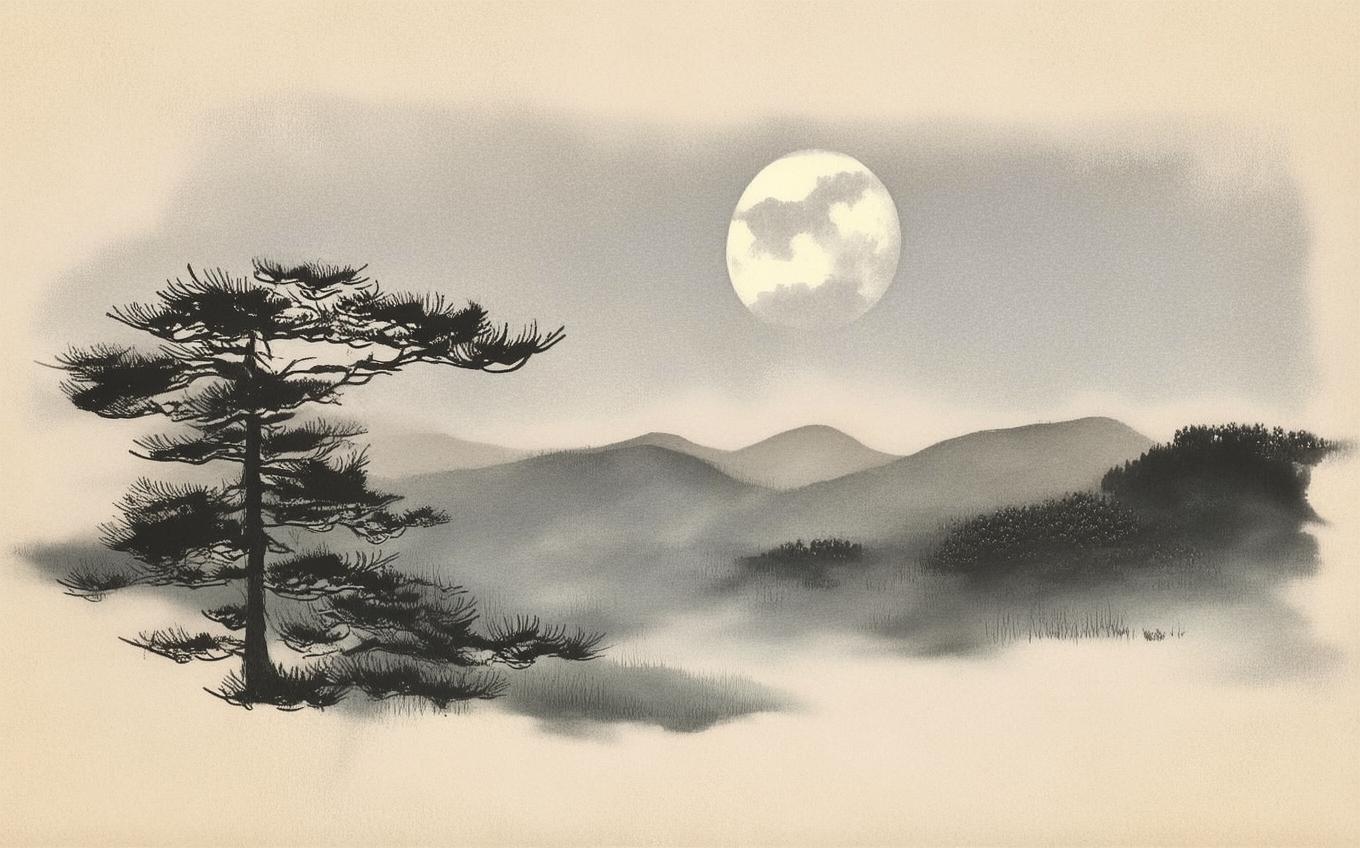
This is one of the most important moments in the poem. 风前月下—“before the wind and beneath the moon”—is a classic Chinese poetic setting for romance. Wind and moon suggest tenderness, beauty, and private emotion.
But the speaker says that true feelings are 难得—hard to obtain, hard to preserve. Love is not simply beautiful; it is fragile. The phrase 心事 refers to the hidden matters of the heart: longing, desire, sincerity, grief.
The line suggests that in romantic relationships, sincerity from beginning to end is rare. This gives the poem a philosophical depth beyond personal complaint.
“但愿我、忡忡心下,把人看待,长似初相识。”
Here the speaker makes a wish: to treat the beloved always as he did when they first met. 初相识—“first meeting”—is a powerful emotional idea in Chinese love poetry. The beginning of love is often imagined as pure, tender, and full of wonder.
The speaker regrets having taken the relationship for granted. Now he wants to recover the freshness of first love. This is not only a romantic wish; it is also a moral resolution. He wants to become more faithful, more attentive, more grateful.
“况渐逢春色。”
Spring is arriving. In Chinese poetry, spring often symbolizes renewal, desire, beauty, and emotional awakening. Yet spring can also intensify loneliness, because the outer world becomes beautiful while the inner heart remains sorrowful.
Here, spring creates hope. The changing season suggests the possibility of reunion.
“便是有、举场消息。”
The phrase 举场 refers to the imperial examination arena. In Song society, the civil service examinations were central to a man’s career and social future. Liu Yong himself famously struggled with official recognition and wrote many poems shaped by the tension between ambition and pleasure.
This line introduces a practical worldly concern: exam results, career news, public success. Yet the speaker implies that even such news should not cause him to neglect love again.
“待这回、好好怜伊,更不轻离拆。”
The poem ends with a promise: this time, he will cherish her properly and will not lightly separate again.
The word 伊 (yī) is a tender third-person pronoun, often meaning “she” or “that person” in classical and vernacular lyric language. It gives the ending softness and intimacy.
The final phrase 轻离拆 means to part casually, carelessly, or too easily. The speaker recognizes that separation may have resulted not from fate alone, but from human negligence. This makes the ending emotionally mature: love requires care.
Themes and Symbolism
1. Love and Regret
The central emotion of the poem is regret. The speaker once possessed happiness but failed to value it fully. This theme is universal: the pain of understanding love only after distance has revealed its worth.
2. Memory as Emotional Burden
Memory in this poem is not comforting. It is exhausting. The speaker’s recollections of past meetings create sorrow rather than peace. Liu Yong shows how memory can become a kind of imprisonment.
3. The Fragility of Sincerity
The line about 风前月下 and 心事 suggests that true feeling is rare and difficult to maintain. Romantic sincerity must survive time, absence, temptation, and social pressures.
4. Spring as Renewal
Spring symbolizes the possibility of emotional rebirth. The arrival of 春色 hints that reunion may still be possible. Yet this hope is delicate; it depends on the speaker’s willingness to change.
5. Urban Romance
The “flowered streets” symbolize the vibrant entertainment culture of the Song capital. Unlike poems set in remote mountains or rural landscapes, Liu Yong’s lyric belongs to the city: music houses, courtesans, examinations, messages, and emotional uncertainty.
Cultural Context
Liu Yong lived during the Northern Song dynasty, a period of economic growth, urban expansion, and cultural sophistication. Cities such as Bianjing, the Song capital, were filled with markets, teahouses, theaters, and pleasure districts. This urban world deeply shaped Liu Yong’s poetry.
Unlike many earlier poets who emphasized political service, nature, or philosophical withdrawal, Liu Yong gave serious poetic attention to everyday emotional life. He wrote about singers, courtesans, travelers, and disappointed lovers. His language could be elegant, but it was also direct and sometimes colloquial.
The mention of the imperial examination is culturally important. For educated men in imperial China, success in the examinations was the main path to government office and social prestige. Love and career often came into conflict: a man might leave a beloved woman to travel, study, or seek appointment.
This poem reflects a key Chinese cultural tension: the conflict between qing (情, feeling, emotion) and public duty or ambition. The speaker seems to realize that worldly pursuits are not enough if he loses the person who gives emotional meaning to his life.
The poem also reflects a Confucian ethical undertone. Although it is a love lyric, its emotional movement leads toward responsibility: cherish the beloved, do not part carelessly, remain constant. In this sense, private love becomes a test of moral seriousness.
Conclusion
Liu Yong’s “征部乐” is a moving lyric of love, regret, and renewed commitment. Its beauty lies in its emotional honesty. The speaker does not present himself as noble or detached; he is weary, anxious, remorseful, and deeply human.
For English-speaking readers, this poem offers a vivid glimpse into Song dynasty urban culture and the emotional richness of cí poetry. It shows that classical Chinese literature is not only about mountains, rivers, and philosophical calm. It is also about missed chances, sleepless longing, and the fragile hope of loving better the next time.
The poem’s final message remains relevant today: beautiful moments should not be wasted, and love must be cherished before separation teaches us its value.

Comments (0)
No comments yet. Be the first to comment!