1. Basic Information
- Word: 触摸
- Pinyin: chù mō
- Literal Meaning: “to touch” + “to feel/stroke”
- Primary Meaning: to touch; to feel with the hand or fingers
2. In-depth Explanation
- Context and Usage:
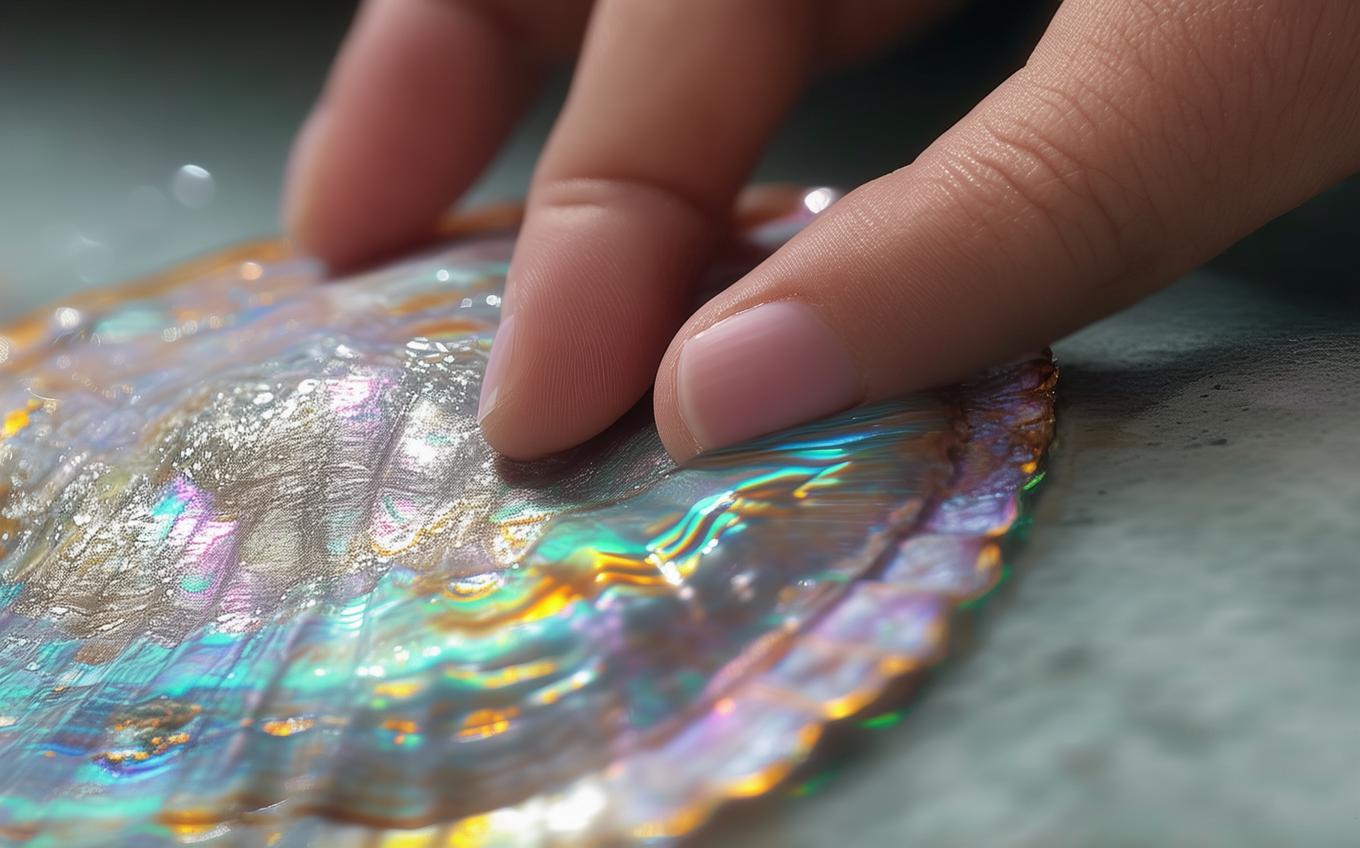
触摸 is a verb used to describe physically touching something, usually with the hand or fingers. It often implies a gentle, deliberate touch rather than a rough or accidental one.
It is commonly used in contexts involving objects, surfaces, screens, or sensitive things. For example, you can use 触摸 when talking about touching a phone screen, touching an artwork, or touching someone’s face gently.
Compared with the simpler word 摸, 触摸 sounds a little more formal or descriptive. In everyday speech, people often use 摸, but 触摸 is common in written Chinese, instructions, technology-related contexts, and more careful descriptions.
For example:
- 触摸屏 means “touchscreen”
- 请勿触摸 means “Please do not touch”
- 触摸按钮 means “touch button”
- Character Breakdown:
触 means “to touch,” “to contact,” or “to come into contact with.” It can refer to physical contact or sometimes emotional contact, as in being touched emotionally.
摸 means “to touch,” “to feel,” or “to stroke with the hand.” It often emphasizes using the hand to feel the surface, shape, or texture of something.
Together, 触摸 emphasizes the action of making physical contact with something, especially by hand.
3. Example Sentences
- Chinese: 请不要触摸展品。
- Pinyin: Qǐng bú yào chù mō zhǎn pǐn.
-
English: Please do not touch the exhibits.
-
Chinese: 这个手机屏幕可以用手指触摸操作。
- Pinyin: Zhè ge shǒu jī píng mù kě yǐ yòng shǒu zhǐ chù mō cāo zuò.
-
English: This phone screen can be operated by touching it with your finger.
-
Chinese: 她轻轻地触摸孩子的脸。
- Pinyin: Tā qīng qīng de chù mō hái zi de liǎn.
- English: She gently touched the child’s face.
Cultural Notes (if applicable)
In Chinese public places such as museums, galleries, and exhibitions, you may often see signs saying 请勿触摸, meaning “Please do not touch.” The word 触摸 is also very common in technology, especially in words like 触摸屏, meaning “touchscreen.”
Because 触摸 sounds more formal than 摸, it is often used in signs, instructions, manuals, and written descriptions. In casual conversation, Chinese speakers may choose 摸 more often, depending on the situation.
Conclusion
触摸 means “to touch” or “to feel with the hand.” It is slightly formal and often used for deliberate physical contact, especially in signs, technology, and descriptive writing. Remember that 触 means “to come into contact,” and 摸 means “to feel or stroke with the hand,” so together 触摸 clearly expresses the idea of touching something.
Sources and Further Reading
Dictionary links are provided for independent reference. Example sentences and learning notes on this page are educational explanations rather than dictionary quotations.



Comments (0)
No comments yet. Be the first to comment!