Introduction
"宣清" (Xuān Qīng) is not the personal name of a poet, but the name of a cí tune pattern—a fixed musical form used in Song dynasty lyric poetry. One well-known poem written to this tune is "宣清·残月朦胧" by 柳永 (Liǔ Yǒng, c. 987–1053), one of the most influential lyric poets of the Northern Song dynasty.
柳永 was famous for writing about city life, romantic longing, travel, wine, music, and the emotional world of performers and wanderers. Unlike many elite poets who preferred restrained classical elegance, 柳永 often embraced the language and atmosphere of urban entertainment culture. His works helped transform cí poetry into a major literary form capable of expressing subtle personal emotions.
This poem is significant because it captures a classic 柳永 mood: the lonely aftermath of pleasure. A night of music, wine, and intimacy has ended; the speaker returns alone to an inn, where memory becomes sharper than reality. The poem moves between the cold present and the brilliant past, revealing the emotional emptiness beneath worldly enjoyment.
The Poem: Full Text and Translation
残月朦胧,
Cán yuè méng lóng,
The waning moon is dim and hazy,
小宴阑珊,
Xiǎo yàn lán shān,
the small banquet has come to an end,
归来轻寒凛凛。
Guī lái qīng hán lǐn lǐn.
returning home, I feel a slight but piercing chill.
背银釭、孤馆乍眠,
Bèi yín gāng, gū guǎn zhà mián,
Turning away from the silver lamp, I try to sleep in a lonely inn,
拥重衾、醉魄犹噤。
Yōng chóng qīn, zuì pò yóu jìn.
wrapped in heavy quilts, my drunken spirit still shivers in silence.
永漏频传,
Yǒng lòu pín chuán,
The long night-watch is announced again and again,
前欢已去,
Qián huān yǐ qù,
the earlier joy has already passed away,
离愁一枕。
Lí chóu yī zhěn.
and a whole pillow is filled with sorrow of separation.
暗寻思、旧追游,
Àn xún sī, jiù zhuī yóu,
Secretly I think back on former pleasures and wandering excursions,
神京风物如锦。
Shén jīng fēng wù rú jǐn.
when the capital’s sights were as splendid as brocade.
念掷果朋侪,
Niàn zhì guǒ péng chái,
I remember my companions, admired like handsome men pelted with fruit,
绝缨宴会,
Jué yīng yàn huì,
those banquets of unrestrained pleasure, like the feast of cut hat-strings,
当时曾痛饮。
Dāng shí céng tòng yǐn.
when we once drank deeply and freely.
命舞燕翩翻,
Mìng wǔ yàn piān fān,
We ordered dancers to move like fluttering swallows,
歌珠贯串,
Gē zhū guàn chuàn,
their songs flowing like strings of pearls,
向玳筵前,
Xiàng dài yán qián,
before tables inlaid like tortoiseshell,
尽是神仙流品。
Jìn shì shén xiān liú pǐn.
all seemed like beings from the realm of immortals.
至更阑、疏狂转甚。
Zhì gēng lán, shū kuáng zhuǎn shèn.
As the night grew late, our wild abandon only increased.
更相将、凤帏鸳寝。
Gèng xiāng jiāng, fèng wéi yuān qǐn.
Then we went together into phoenix curtains and mandarin-duck chambers.
玉钗乱横,
Yù chāi luàn héng,
Jade hairpins lay scattered and askew,
任散尽高阳,
Rèn sàn jìn Gāo yáng,
even after the merry drinkers of Gaoyang had all dispersed,
这欢娱、甚时重恁。
Zhè huān yú, shén shí chóng nèn.
when will such joy ever return again?
Line-by-Line Analysis
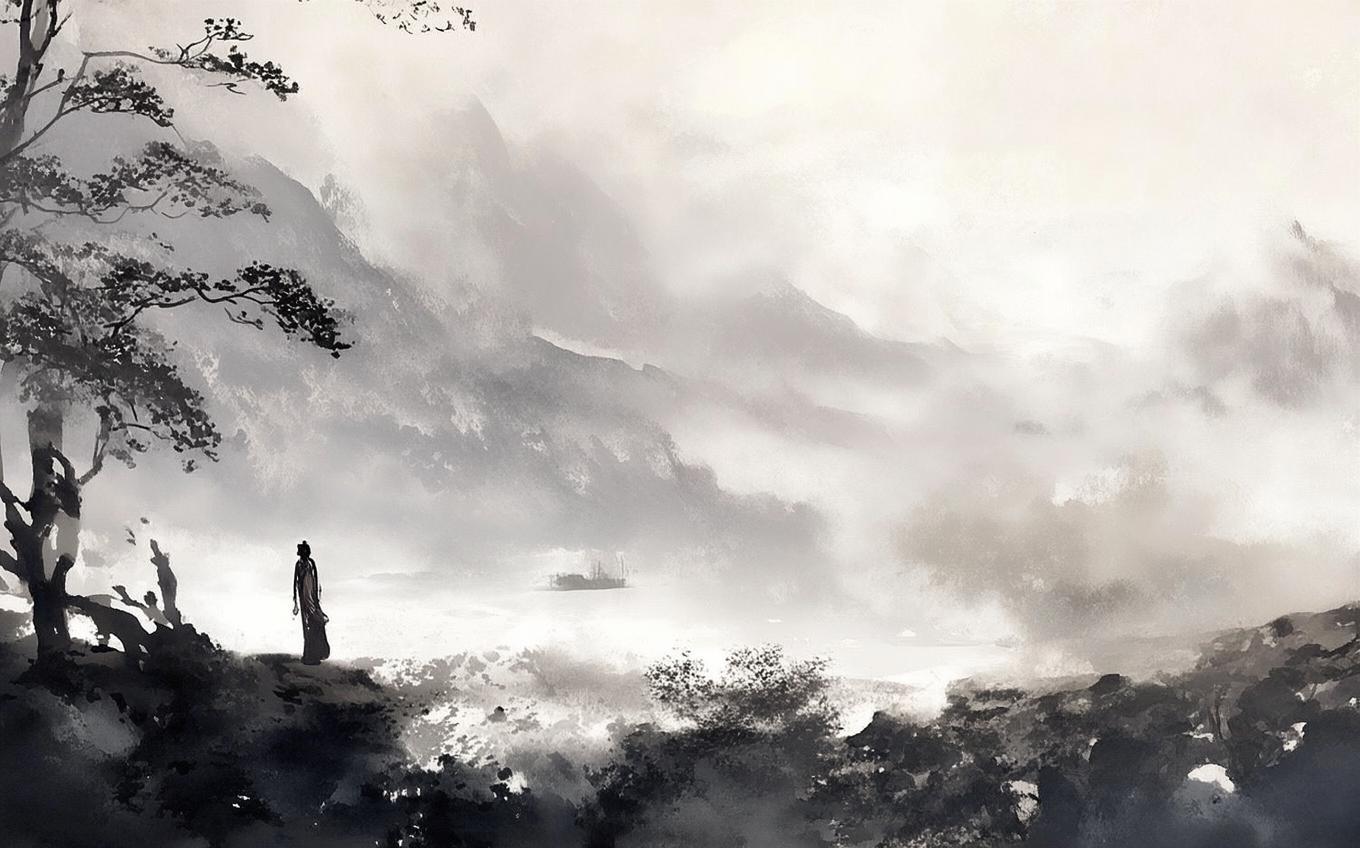
The poem opens with “残月朦胧”, the image of a fading moon. In Chinese poetry, the moon often suggests longing, distance, and memory. Here it is not bright and full, but waning and blurred, immediately creating an atmosphere of decline. The night is ending, and so is the pleasure that filled it.
“小宴阑珊” tells us that a small banquet has finished. The word 阑珊 suggests something fading, scattered, or nearly exhausted. It is often used for the end of a lively scene, when lamps grow dim and guests depart. The emotional tone is not simply “the party is over,” but rather “the warmth of the party has drained away.”
In “归来轻寒凛凛,” the speaker returns alone and feels the cold. The phrase 轻寒 means a light chill, but 凛凛 intensifies it into something sharp. The physical cold mirrors emotional loneliness. After the heat of wine, music, and companionship, solitude feels even colder.
The lines “背银釭、孤馆乍眠” place the speaker in a lonely inn. The silver lamp is beautiful, but he turns away from it. Light usually offers comfort, yet here it only emphasizes his isolation. The inn is temporary, not home; it represents the life of a traveler or official moving through the world without stable emotional belonging.
In “拥重衾、醉魄犹噤,” he wraps himself in thick bedding, but even that cannot warm him. His drunken spirit still trembles. This is a powerful psychological detail: the wine has not brought peace. Instead, intoxication makes him more vulnerable to memory and regret.
“永漏频传” refers to the repeated sound of the night watch, traditionally measured by a water clock. In classical poetry, the slow passing of the night often marks sleeplessness. Time becomes audible, and each sound deepens the speaker’s awareness of being alone.
The phrase “前欢已去” is simple but devastating: the joy from earlier has gone. 柳永 often writes about the gap between pleasure and its aftermath. What was vivid and intoxicating a few hours before is now unreachable.
“离愁一枕” compresses deep emotion into a concrete image. A pillow becomes filled with sorrow. This is typical of Chinese lyric poetry: instead of abstract explanation, emotion is embodied in an object. The pillow suggests sleeplessness, absence, and perhaps the memory of someone who once shared it.
The poem then shifts from the present to memory: “暗寻思、旧追游.” The word 暗 suggests private, hidden reflection. The speaker does not openly lament; he silently turns inward. 旧追游 evokes former outings, pleasures, and social adventures.
“神京风物如锦” recalls the capital as splendid as brocade. 神京 refers to the imperial capital, a place of political authority but also of dazzling urban culture. The comparison to brocade suggests richness, color, and intricate beauty. Yet because this image appears in memory, it is already tinged with loss.
The line “念掷果朋侪” contains a classical allusion. It refers to the story of 潘安, a famously handsome man who was said to receive fruit thrown by admirers when he went out. Here 柳永 uses the allusion to describe charming companions in a glamorous social world.
“绝缨宴会” is another allusion. It refers to an ancient banquet where, according to legend, a ruler ordered the lamp extinguished and everyone’s hat-strings cut to protect a guest who had behaved improperly in the dark. The phrase suggests a feast of indulgence, loosened rules, and forgiving pleasure.
“当时曾痛饮” emphasizes heavy drinking. In Chinese literary culture, drinking can symbolize friendship, freedom, emotional release, and rebellion against ordinary restraint. But in this poem, wine also becomes connected to later emptiness.
The next lines describe performance: “命舞燕翩翻,歌珠贯串.” The dancers move like swallows, light and graceful. The singers’ voices are compared to pearls strung together, suggesting clarity, smoothness, and precious beauty. 柳永 was especially skilled at portraying the entertainment world of the Song city.
“向玳筵前,尽是神仙流品” raises the memory into an almost supernatural realm. The banquet table is luxurious, and the people appear like immortals. This exaggeration is emotional rather than literal: memory idealizes the past, making it seem brighter than it may have been.
In “至更阑、疏狂转甚,” the later the night becomes, the more unrestrained the guests become. 疏狂 suggests a wild, carefree, unconventional spirit. This is not Confucian moderation; it is the world of passionate release.
“更相将、凤帏鸳寝” moves from public banquet to private intimacy. Phoenix curtains and mandarin-duck chambers are symbols of love, sensuality, and romantic union. Mandarin ducks traditionally symbolize paired lovers because they are imagined as faithful couples.
The image “玉钗乱横” is delicate and suggestive. Scattered jade hairpins imply intimacy without describing it directly. Classical Chinese poetry often uses objects—hairpins, curtains, pillows, lamps—to evoke erotic or emotional scenes with elegance and restraint.
Finally, “任散尽高阳,这欢娱、甚时重恁” ends with longing. 高阳 refers to legendary merry drinkers, especially associated with the phrase 高阳酒徒, meaning bold and carefree lovers of wine. Even after all the drinkers have dispersed, the speaker asks: when will such pleasure come again? The poem closes not with moral judgment, but with yearning.
Themes and Symbolism
One major theme of the poem is the contrast between pleasure and loneliness. The banquet is full of wine, music, dancing, and intimacy, but the present moment is cold and solitary. 柳永 shows that intense pleasure often leaves behind an equally intense emptiness.
Another important theme is memory. The poem is structured as a movement from present loneliness into remembered brilliance. The capital, the companions, the singers, the dancers, and the romantic chambers all appear through recollection. This makes the past feel beautiful but unreachable.
The poem also explores urban elegance and sensual culture. Unlike landscape poetry that focuses on mountains and rivers, this poem belongs to the world of inns, lamps, banquets, performers, and city pleasures. It gives English-speaking readers a glimpse of the sophisticated entertainment culture of the Song dynasty.
Key symbols include:
- The waning moon: decline, separation, the fading of joy.
- The lonely inn: travel, instability, emotional homelessness.
- The silver lamp: beauty that cannot comfort.
- The pillow: sleeplessness and intimate sorrow.
- Swallows: graceful dancers and fleeting movement.
- Pearls: beautiful, continuous singing.
- Mandarin ducks: romantic union and sensual intimacy.
- Scattered jade hairpins: the aftermath of passion and closeness.
- Wine: freedom, friendship, pleasure, and later melancholy.
Cultural Context
This poem belongs to the Song dynasty, a period of remarkable urban growth, commercial prosperity, and artistic refinement. Cities such as the capital were full of restaurants, teahouses, music halls, and professional entertainers. The literary form cí developed in close connection with music and performance, and many poems were written to existing tunes.
柳永 was particularly important because he wrote in a more popular and emotionally direct style. His lyrics often gave voice to travelers, lovers, courtesans, and people living outside the strict ideals of official Confucian society. Because of this, his work was sometimes criticized by conservative scholars, but it was deeply loved by the public.
The poem reflects several Chinese cultural values and tensions. On one hand, it celebrates refined pleasure: music, dance, poetry, wine, and companionship. On the other hand, it reveals the Buddhist-like awareness that all joy is temporary. The more brilliant the banquet, the stronger the sadness when it ends.
It also reflects a traditional Chinese sensitivity to time and transience. The passing night, the fading moon, and the sound of the water clock all remind the reader that human happiness cannot be held permanently. This awareness of impermanence is central to much classical Chinese literature.
Conclusion
"宣清·残月朦胧" is a beautiful example of 柳永’s art: sensuous, musical, and deeply melancholic. It begins in cold loneliness, travels through memories of splendid pleasure, and ends with a question that remains unanswered: when will such happiness return?
Its enduring appeal lies in its emotional honesty. The poem does not simply praise pleasure, nor does it condemn it. Instead, it captures a universal human experience: after a moment of brightness, we often feel the darkness more sharply. For modern readers, the poem still feels familiar because it speaks to the fragile nature of joy, the power of memory, and the loneliness that can follow even the most dazzling nights.

Comments (0)
No comments yet. Be the first to comment!