
Analysis of "冬宵各为四韵" – Classical Chinese Poetry
Introduction
Composed by the Mid-Tang poet Sikong Shu (司空曙, c. 720–790), “冬宵各为四韵” (Each Composing Four Rhymes on a Winter Night) is a delicate regulated verse (lǜshī) that captures the quiet ache of a traveler far from home. Sikong Shu was one of the celebrated “Ten Talents of the Dali Era” and is admired for his restrained melancholy and refined imagery. The poem’s title suggests it may have been written as part of a social gathering where poets each crafted an eight-line poem on the same winter theme. Yet the piece itself is intensely personal—a meditation on separation, the numbing cold of a winter night, and the stubborn hope of return. For English-speaking readers, this poem opens a window into the emotional landscape of Tang-dynasty travel and the timeless longing for home.
The Poem: Full Text and Translation
霜重夜逾清
shuāng zhòng yè yú qīng
Frost thickens, the night grows even clearer,人家寒杵声
rén jiā hán chǔ shēng
From homes comes the sound of cold washing mallets.别来音信断
bié lái yīn xìn duàn
Since we parted, letters and word have ceased,愁绪酒难平
chóu xù jiǔ nán píng
Melancholy thoughts—wine cannot calm them.候馆灯昏雨
hòu guǎn dēng hūn yǔ
At the post station, the lamp dims in the rain,孤城月近更
gū chéng yuè jìn gēng
A lonely city, the moon draws near the night watches.如何未归客
rú hé wèi guī kè
Why is it that this traveler still not home犹自滞江程
yóu zì zhì jiāng chéng
Lingers yet on his river journey?
Line-by-Line Analysis
霜重夜逾清 | Frost thickens, the night grows even clearer
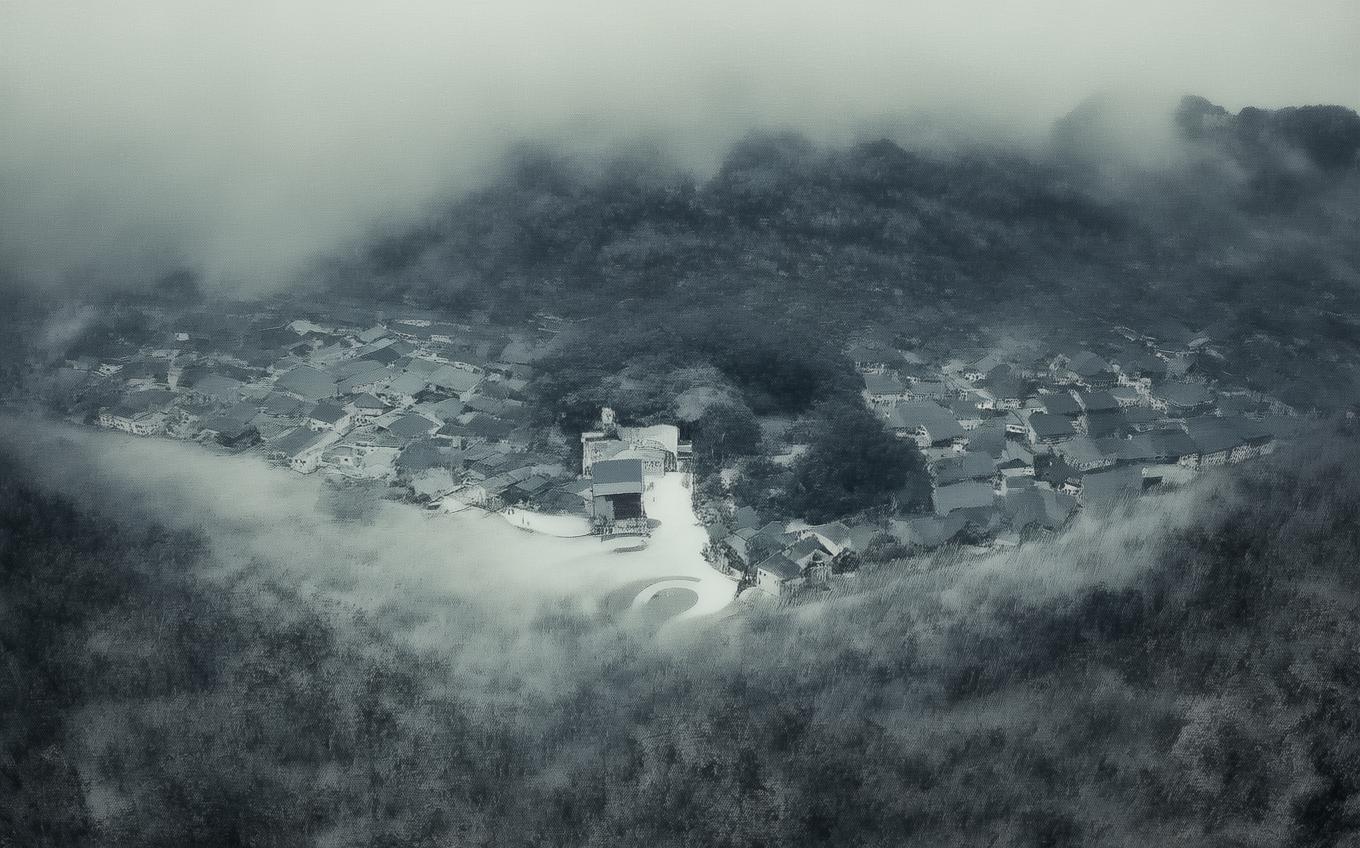
The poem opens with an image that is at once visual and tactile. Heavy frost whitens the ground and sharpens the air, making the night sky appear intensely clear. This isn’t a cozy winter scene; it’s a cold so pure it heightens awareness—and loneliness. The clarity of the night mirrors the poet’s acute consciousness of his own solitude.
人家寒杵声 | From homes comes the sound of cold washing mallets
Here lies a deeply Chinese motif: the hán chǔ (cold mallet/beetle) used to pound clothes at the water’s edge. In classical poetry, the rhythmic thud of laundry mallets—often heard in autumn and winter as families prepared warm garments—evokes separation and the ache of those left behind. The traveler hears this sound drifting from distant houses, a reminder of domestic warmth he cannot reach. The adjective “cold” modifies both the mallets and the atmosphere, weaving physical chill into emotional distance.
别来音信断 | Since we parted, letters and word have ceased
The poem turns inward. The traveler confesses that all communication with loved ones has been cut off. This line is stark and matter-of-fact, yet it carries immense weight: in an era without instant contact, a broken letter was a broken lifeline. The silence deepens his isolation.
愁绪酒难平 | Melancholy thoughts—wine cannot calm them
He attempts the age-old remedy of wine, but finds it powerless. The phrase “愁绪” (chóu xù) suggests tangled threads of sorrow that no amount of drinking can smooth out. This couplet encapsulates a universal truth: some forms of sadness resist easy consolation.
候馆灯昏雨 | At the post station, the lamp dims in the rain
The setting shifts to the traveler’s temporary shelter—a hòu guǎn, a government post station where officials and couriers rested. A single lamp gutters in the damp air, its light swallowed by rain outside. The image is cinematic: a small, flickering flame besieged by darkness and water. It functions as a metaphor for the poet’s fragile hope.
孤城月近更 | A lonely city, the moon draws near the night watches
“更” (gēng) refers to the traditional division of night into five two-hour watches, each announced by a watchman’s call or drum. As the moon climbs higher, it seems to approach the hour of deep night. The “lonely city” may be the garrison town where he stays, quiet and forbidding under the moon’s cold gaze. Time itself becomes palpable, measured in moonbeams and the distant sound of watch drums—a reminder that the night (and his journey) stretches on.
如何未归客 | Why is it that this traveler still not home
With a rhetorical question, the poet steps back to interrogate his own predicament. “未归客” (wèi guī kè) literally means “guest not yet returned,” emphasizing his status as an outsider, adrift. The question has no easy answer—duty, poverty, misfortune, or war may have trapped him on the road. The tone is not anger but weary bewilderment.
犹自滞江程 | Lingers yet on his river journey
The final line answers the question with an image of stalled motion. “滞” (zhì) means to be delayed, stuck, stagnating. The river journey, which should carry him home, instead holds him in an endless present of cold rain and moonlit watches. The poem ends not with resolution but with suspended longing, a traveler eternally between departure and arrival.
Themes and Symbolism
Homesickness and Exile
At its heart, this is a poem of xiāngchóu—homesickness. Every sensory detail—the clear frost, the washing mallets, the dim lamp—points toward an absent home. Even the broken letters and ineffective wine underscore a yearning that cannot be soothed.
The Harshness of Winter
Winter is not merely a backdrop but an active participant. Frost, cold rain, and the long night amplify the traveler’s vulnerability. In Chinese literary tradition, winter often symbolizes hardship, the aging of life, and the approach of death, but also a time for introspection.
Sound and Silence
The contrast between the pounding mallets and the ensuing “音信断” (broken communication) is profound. The mallet sound suggests life and connection, yet it comes from other people’s homes. For the poet, there is silence where there should be voices. Later, the rain and the implied sound of night watches deepen the oppressive quiet.
The Moon and Night Watches
The moon, a perennial symbol of shared gaze across distance, here feels remote and clock-like, measuring time rather than offering comfort. The “更” (night watches) reinforce a sense of time dragging on, making the poet’s stalled journey feel endless.
Cultural Context
Sikong Shu lived in the wake of the An Lushan Rebellion (755–763), a cataclysmic event that shattered the Tang Empire’s stability. Many literati spent years displaced, traveling to take up minor official posts or seeking patronage. Post stations like the one in the poem were essential infrastructure, yet they also epitomized transition and rootlessness. Group poetry composition, where friends each wrote on a set topic and rhyme scheme (here “四韵” or four-rhyme regulated verse), was a common social pastime. This poem, even if composed in company, channels a deeply individual voice.
The sound of “寒杵” (cold mallets) is a motif stretching back to the Han dynasty, intimately tied to the making of winter clothes and the longing of women for absent husbands. By evoking this sound, Sikong Shu taps into a

Comments (0)
No comments yet. Be the first to comment!