Introduction
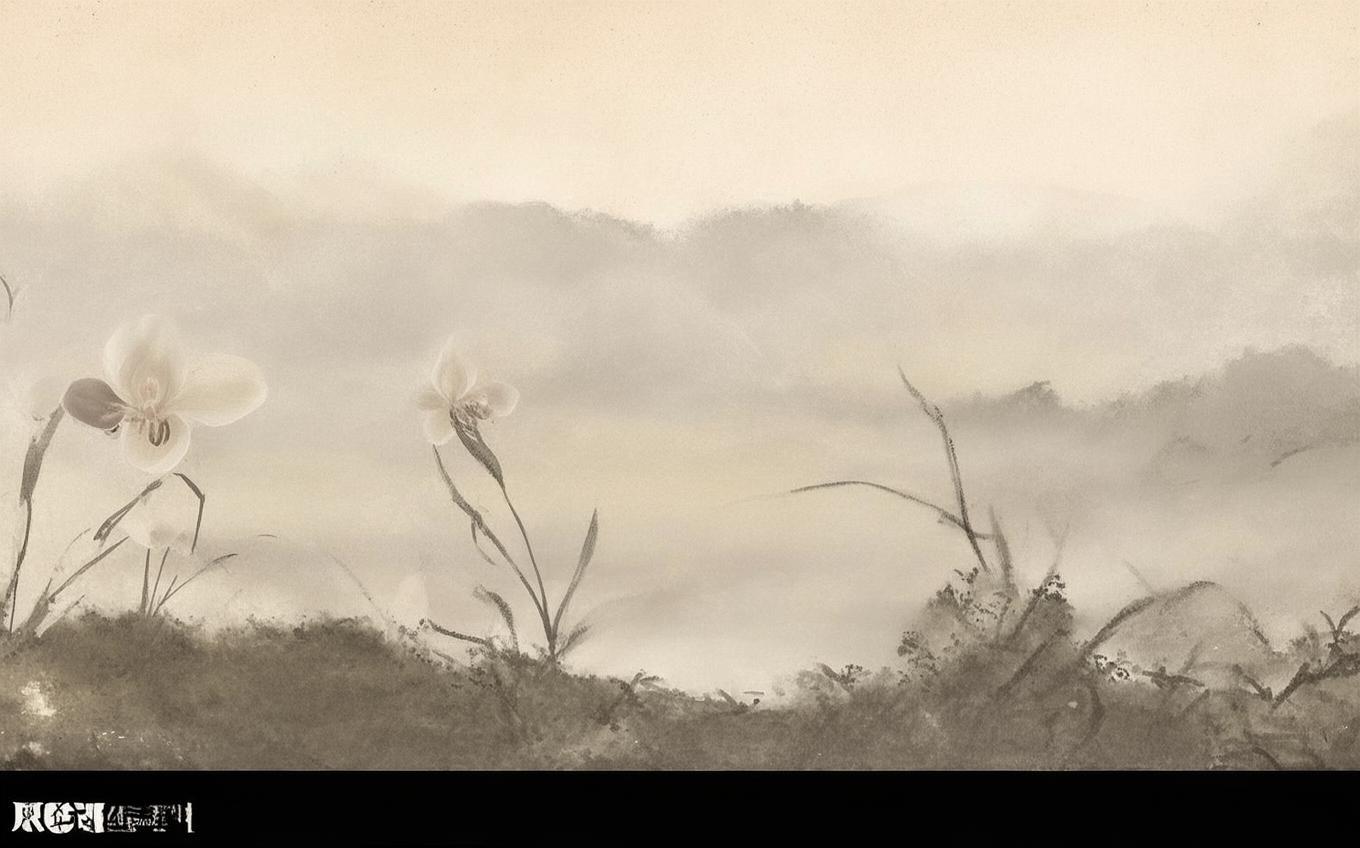
The fragrant orchid, 芳兰 (fāng lán), has bloomed through thousands of years of Chinese poetry as a symbol of inner nobility, quiet virtue, and self‑contained grace. Far from a simple flower, the orchid became a touchstone for the Confucian ideal of the junzi – the accomplished person who cultivates moral character for its own sake, not for recognition or reward.
In this post we will explore one of the most celebrated lyric poems that captures the spirit of the orchid. It comes from the Tang dynasty (618–907), widely regarded as a golden age of Chinese poetry, and was written by Zhang Jiuling (张九龄, 678–740). Zhang was a distinguished statesman who rose to be chancellor under Emperor Xuanzong, renowned for his uprightness and keen political insight. When court intrigue saw him exiled to the south, he produced a set of twelve poems entitled Ganyu (感遇, “Reflections on My Experience”). The first poem in that series is a luminous meditation on orchids and osmanthus – plants that speak directly for the fragrant orchid ideal. It distills a lifetime of Confucian learning into eight short lines, and it remains beloved for its quiet confidence and refusal to seek outside approval.
The Poem: Full Text and Translation
感遇·其一
Gǎnyù · Qí Yī
“Reflections on My Experience, No. 1”
兰叶春葳蕤,
Lán yè chūn wēi ruí,
The orchid leaves in spring are lush and cascading;
桂华秋皎洁。
Guì huā qiū jiǎo jié.
The osmanthus blooms in autumn are bright and pure.
欣欣此生意,
Xīn xīn cǐ shēng yì,
Each delights in this vitality of life,
自尔为佳节。
Zì ěr wéi jiā jié.
And naturally makes its own season fine.
谁知林栖者,
Shuí zhī lín qī zhě,
Who would have thought that a forest‑dwelling hermit,
闻风坐相悦。
Wén fēng zuò xiāng yuè.
Catching the fragrance on the breeze, would sit in such delight?
草木有本心,
Cǎo mù yǒu běn xīn,
Plants and trees have their own true nature;
何求美人折?
Hé qiú měi rén zhé?
Why should they beg to be plucked by a lovely hand?
Line-by-Line Analysis
-
兰叶春葳蕤 – “The orchid leaves in spring are lush and cascading”
The poem opens with the image of an orchid in springtime. The classical term 葳蕤 (wēi ruí) describes vegetation that is luxuriant, drooping gracefully under its own abundant growth. The orchid is not shown in bloom; instead, the focus is on its leaves – supple, vigorous, full of life‑force. By linking the orchid with spring, Zhang emphasises the idea that every living thing has its moment of fulfilment, which arises naturally from within. -
桂华秋皎洁 – “The osmanthus blooms in autumn are bright and pure”
The parallel line moves from spring to autumn, from orchid leaves to osmanthus flowers. 皎洁 (jiǎo jié) suggests a flawless, translucent brightness – often used for moonlight or snow. The osmanthus, which flowers when most plants are withering, becomes a symbol of unwavering purity. Together, the orchid and osmanthus represent two complementary expressions of virtue, each perfect in its own time. -
欣欣此生意 – “Each delights in this vitality of life”
The phrase 生意 (shēng yì) does not mean “business” here; it literally means “the principle of life” – the inner impulse that causes things to grow and thrive. The poet sees this principle as joyful (欣欣, xīn xīn), an exuberant self‑generating energy. The orchid does not struggle to be beautiful; it simply expresses its inborn nature. -
自尔为佳节 – “And naturally makes its own season fine”
佳节 (jiā jié) is usually translated as “festival” or “good season”, but here it means “a lovely time of year”. The poem insists that the orchid and osmanthus do not rely on any external celebration – they are the cause of the season’s beauty, not its beneficiaries. This is a quiet but powerful assertion of self‑sufficiency. -
谁知林栖者,闻风坐相悦 – “Who would have thought that a forest‑dwelling hermit, catching the fragrance on the breeze, would sit in such delight?”
Suddenly a human figure enters the still landscape: a recluse (林栖者, lín qī zhě – literally “forest‑dweller”) who detects the scent carried by the wind and is moved to spontaneous joy. The hermit represents the perceptive person who recognises inner worth without needing to own or pluck the flower. The fragrance (风, fēng) is a classic metaphor for moral influence – the quiet power of virtue that travels far without any effort. The hermit’s response is natural and unforced, just like the plants themselves. -
草木有本心 – “Plants and trees have their own true nature”
Here Zhang Jiuling spells out the philosophical core. 本心 (běn xīn) means “original heart‑mind” – a concept deeply rooted in Confucian and Daoist thought. It is the innate moral tendency, the fundamental character that heaven endows in every living thing. For a plant, that 本心 is to grow, to blossom, and to give fragrance; for a human being, it is to act with integrity. -
何求美人折? – “Why should they beg to be plucked by a lovely hand?”
The final line is a rhetorical question that turns into a ringing declaration. 美人 (měi rén) – “beautiful person” – in classical poetry frequently stands for a prince or a noble lord whose favour the poet may seek. But Zhang asks: does the orchid (or the osmanthus) need to be picked and admired by someone higher in status? Does a person of genuine integrity need a ruler’s approval? The implied answer is a firm “no”. Virtue is its own reward; the fragrant orchid blooms because that is its nature, not because it desires a place in a vase.
Themes and Symbolism
Inner Virtue and Self‑Sufficiency
The dominant theme is that a noble character does not depend on external validation. By linking his own fate to the orchid and osmanthus, Zhang Jiuling affirms that a true junzi preserves his integrity regardless of political favour or misfortune. The last line is not bitterness but a serene acceptance of self‑contained worth.
Nature as Moral Teacher
Zhang uses the natural world as a mirror for human conduct. Plants obey heavenly principle without calculation; they simply are. The poet imagines himself in harmony with that spontaneous order, a way of thinking that blends Confucian ethics with the Daoist reverence for naturalness (自然, zì rán).
Symbolism of Orchid and Osmanthus
- Orchid (兰, lán) – Since the time of the ancient poet Qu Yuan (c. 340–278 BC), the orchid has symbolised the loyal minister or the uncorrupted scholar who keeps his fragrance even in a dark forest. It is the plant of inner beauty and modesty.
- Osmanthus (桂, guì) – The osmanthus, blossoming in the cool of autumn, stands for constancy, purity, and a scholarly spirit that shines when others fade. Its delicate, penetrating scent mirrors the intangible influence of a virtuous person.
- Fragrance (风, fēng) – The wind that carries the scent is the invisible power of moral example, capable of touching others without effort or intention.
The Hermit and the Reader
The “forest‑dweller” is not a melancholy recluse but a figure of contentment. His quiet delight suggests that true appreciation of virtue comes from those who themselves are detached from worldly



Comments (0)
No comments yet. Be the first to comment!