Introduction
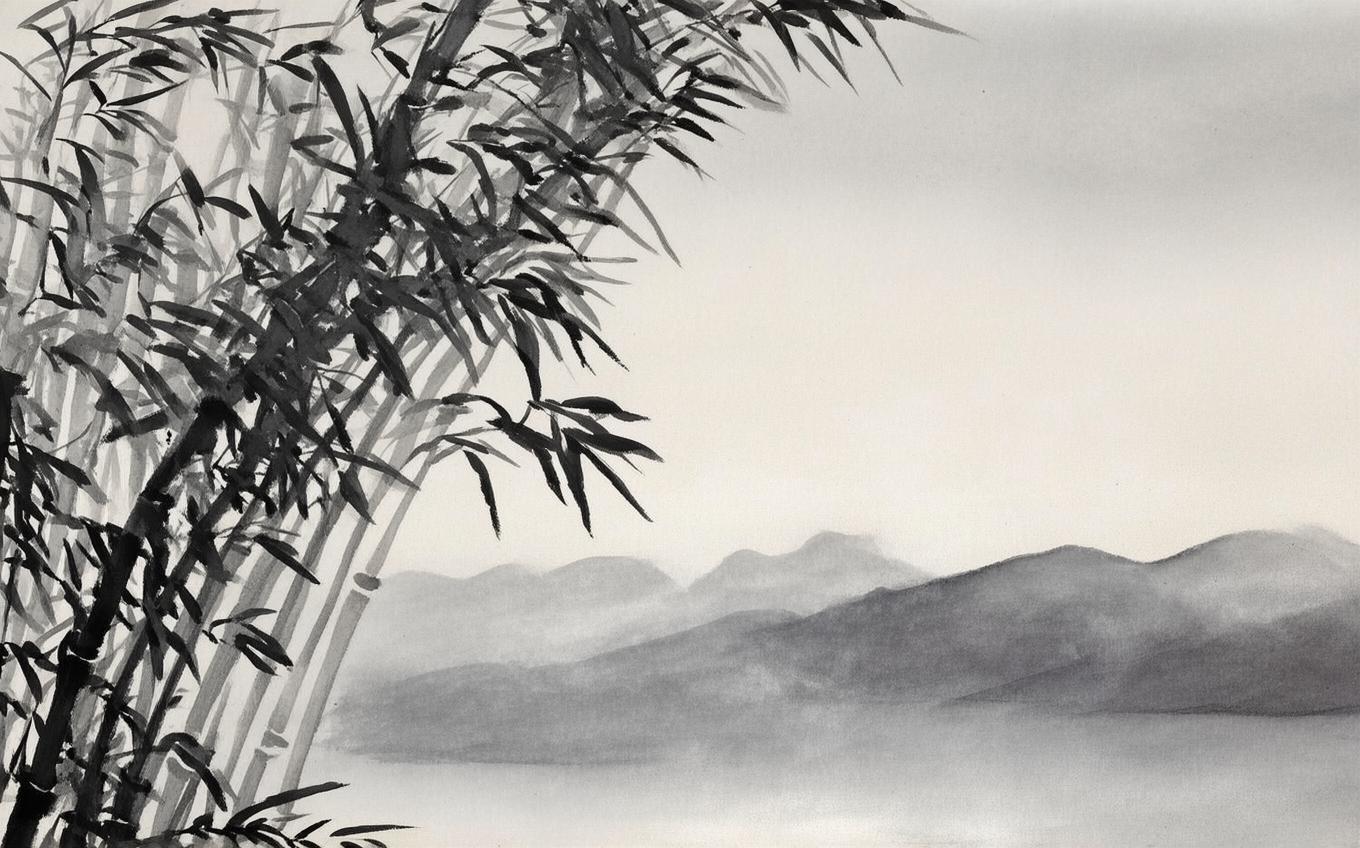
"赋得临池竹" (Fù dé lín chí zhú) — "Composed on the Theme of Bamboo by the Pond" — is a five-character quatrain by Emperor Taizong of Tang, Li Shimin (598–649 AD). As the second emperor of the great Tang Dynasty, Li Shimin was not only a military genius and an astute ruler but also an accomplished poet and calligrapher. This short poem belongs to the "court poetry" tradition, where writers would compose verses on assigned topics during gatherings. What makes it remarkable is how the emperor uses a common object — bamboo — to fuse personal virtue, imperial symbolism, and a quiet political message. For English-speaking readers, the poem opens a window into the elegant subtlety of classical Chinese verse, where every image carries weight.
The Poem: Full Text and Translation
贞条障曲砌
Zhēn tiáo zhàng qū qì
Virtuous branches shield the winding steps翠叶贯寒霜
Cuì yè guàn hán shuāng
Emerald leaves pierce through cold frost拂牖分龙影
Fú yǒu fēn lóng yǐng
Brushing the window, they cast dragon shadows临池待凤翔
Lín chí dài fèng xiáng
By the pond, they await the phoenix to soar
Line-by-Line Analysis
Line 1: 贞条障曲砌
The poem opens with the upright bamboo stem described as "贞条" (zhēn tiáo) — "virtuous branches." The character "贞" (zhēn) means chaste, loyal, and steadfast, immediately anthropomorphizing the plant as a person of moral integrity. It "shields" (障, zhàng) the winding stone steps (曲砌, qū qì). This suggests a duty to protect and conceal, and the curving steps hint at the path of life or a garden of the cultivated mind. The bamboo is not merely decorative; it is a guardian of what is refined and intricate.
Line 2: 翠叶贯寒霜
Here the focus shifts to the leaves — "翠叶" (cuì yè), emerald or jade-green, a color associated with purity and endurance. The verb "贯" (guàn) means to pierce through or string together. The leaves pierce "寒霜" (hán shuāng), the cold frost, defiantly remaining green amid harsh conditions. This line encapsulates the bamboo's resilience, a quality highly prized by Chinese literati. Bamboo does not shed its leaves in winter; it remains steadfast, just as a noble person stays true in adversity.
Line 3: 拂牖分龙影
The third line introduces motion and illusion. "拂" (fú) means to brush or stroke softly. The bamboo brushes against the window (牖, yǒu), and in doing so, it "分" (fēn), divides or casts, the shadow of a dragon (龙影, lóng yǐng). Bamboo leaves and stems, when swaying in the breeze, can indeed cast forms resembling a sinuous dragon. The dragon is the supreme symbol of the emperor, power, and vitality. By likening the bamboo's shadow to a dragon, Li Shimin elegantly inscribes his own imperial presence onto the natural scene — the bamboo becomes an extension of the throne's shadow.
Line 4: 临池待凤翔
The final image is one of poised anticipation. "临池" (lín chí) — facing the pond — places the bamboo beside water, where it often grows. "待凤翔" (dài fèng xiáng) means "awaits the phoenix to soar." In Chinese mythology, the phoenix (凤凰, fèng huáng) is the queen of birds, representing virtue, grace, and prosperity. According to legend, the phoenix perches only on the wu tong tree and eats only bamboo seeds. Here, the bamboo patiently waits for the phoenix, just as a wise ruler waits for virtuous ministers or as stillness prepares for magnificent action. The line radiates calm confidence.
Themes and Symbolism
Integrity and Resilience
Bamboo is one of the "Four Gentlemen" (四君子, sì jūnzǐ) in Chinese art, along with the plum blossom, orchid, and chrysanthemum. It bends but does not break, stays green through winter, and grows straight and tall — all traits of the ideal Confucian gentleman. Li Shimin foregrounds this by calling the branches "virtuous" and showing them piercing frost.
Imperial Imagery and the Righteous Ruler
The dragon and phoenix are unmistakable symbols of the emperor and empress, or ultimate yang and yin harmony. By describing the bamboo's shadow as a dragon and its stance as waiting for a phoenix, Li Shimin projects his own identity onto the plant. The poem thus becomes a subtle self-portrait of a sovereign who shields his people, remains unshaken by hardship, and invites wisdom and virtue into his court.
Union of Nature and Governance
The poem reflects the Daoist-infused Confucian ideal of ruling through moral force rather than brute strength. The bamboo does not shout; it stands by the pond, protecting, enduring, and waiting. It is an embodiment of wu wei (effortless action) — a silent, powerful presence that attracts nobility naturally.
Cultural Context
During the early Tang Dynasty, China was reunified after centuries of division. Emperor Taizong saw himself as a restorer of order and a patron of culture. Court poetry often served political ends, using coded imagery to praise the ruler and express loyalty. At the same time, the court valued fengliu (风流) — an elegant, refined style that blended literature, philosophy, and personal cultivation. This poem perfectly captures that spirit. Bamboo was a favorite topic in the "Yongwu" (咏物, "on things") poetic genre, where poets examined an object to reveal deeper moral truths. For English readers, it may recall the Renaissance conceit or emblem poem, but here the link between the natural world and human virtue is direct and unironic.
The pairing of dragon and phoenix also has deep roots in Chinese folklore. In the context of imperial ideology, the appearance of a phoenix was considered an auspicious omen marking a virtuous reign. By having the bamboo "await the phoenix," Li Shimin subtly claims that his governance will attract such blessings.
Conclusion
"赋得临池竹" packs an entire moral and political universe into twenty Chinese characters. It transforms a simple garden plant into a guardian of virtue, a survivor of frost, a shadow of the dragon, and a patient host to a mythical bird. The poem’s enduring appeal lies in its layered simplicity — on the surface, a delicate nature sketch; beneath, a confident declaration of what a ruler should be. For modern readers, whether in Beijing or London, it remains a mirror. We all stand, at times, like bamboo by a pond, waiting for our own phoenix — for inspiration, for recognition, for a moment of quiet courage. Li Shimin’s bamboo still whispers across the centuries: stay green, stand straight, and wait with grace.

Comments (0)
No comments yet. Be the first to comment!