Introduction
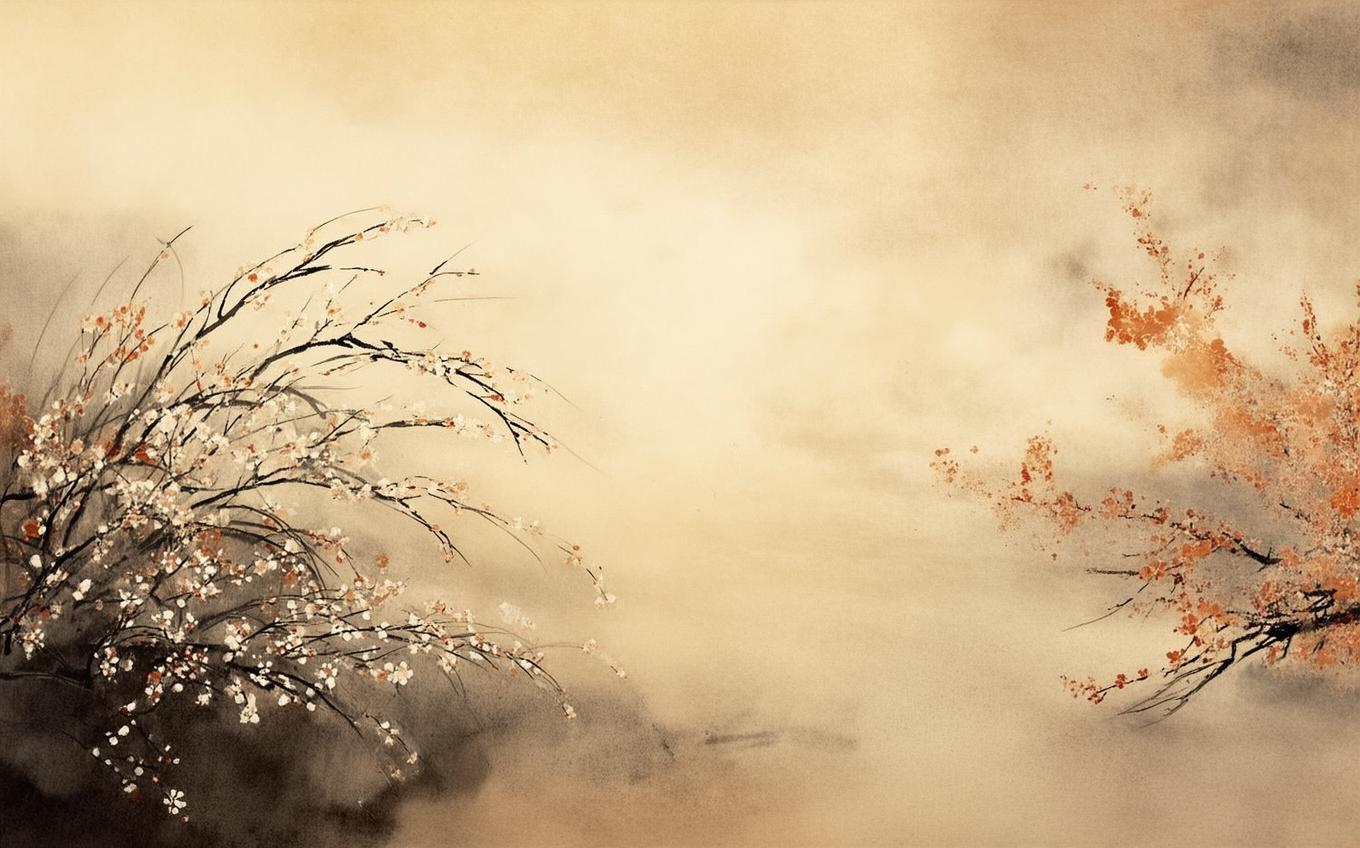
- The phrase 传花枝 (chuán huā zhī, “passing the flower branch”) is closely associated with the elegant social world of Tang and Song China, where flowers, wine, music, and poetry often formed part of refined gatherings. Rather than being the fixed title of one universally known ancient poem, it evokes a poetic motif: the circulation of a blossoming branch among guests, often during a banquet, as a symbol of beauty, transience, and shared feeling.
- To explore this theme, this article analyzes a famous Tang-dynasty poem by Liu Yuxi (刘禹锡, Liú Yǔxī, 772-842), “Enjoying Peonies at Silly South Villa” (赏牡丹, Shǎng Mǔdān). Liu Yuxi was a major poet, essayist, and statesman of the mid-Tang period. His work often combines clarity, elegance, and philosophical depth.
- This poem is significant because it captures the cultural prestige of the peony, a flower deeply connected with wealth, feminine beauty, courtly taste, and the flourishing world of Tang civilization. Although the poem does not literally narrate “passing a flower branch,” its vision of public admiration around blossoms illuminates the same cultural imagination behind 传花枝: flowers are not merely plants, but social and emotional objects shared among people.
The Poem: Full Text and Translation
庭前芍药妖无格
Tíng qián sháo yào yāo wú gé
The peonies before the courtyard are lovely, yet lack true dignity.
池上芙蕖净少情
Chí shàng fú qú jìng shǎo qíng
The lotus flowers above the pond are pure, yet seem to have little feeling.
唯有牡丹真国色
Wéi yǒu mǔ dān zhēn guó sè
Only the tree peony possesses the nation’s true beauty.
花开时节动京城
Huā kāi shí jié dòng jīng chéng
When it blooms, the whole capital is stirred.
Line-by-Line Analysis
-
庭前芍药妖无格
The poem begins with 芍药 (sháo yào), often translated as herbaceous peony. The word 妖 (yāo) suggests seductive charm or enchanting beauty, but Liu Yuxi immediately qualifies it with 无格 (wú gé), “without style,” “without rank,” or “without moral-aesthetic structure.” In classical Chinese criticism, beauty is not only surface attractiveness; it should also possess 格 (gé), a kind of inner bearing or noble form. The line therefore presents beauty that is dazzling but insufficiently elevated. -
池上芙蕖净少情
The second line turns to the lotus, 芙蕖 (fú qú), a flower long associated with purity, especially because it rises clean from muddy water. Yet Liu Yuxi says it is 净少情 (jìng shǎo qíng): pure, but lacking emotional warmth. This is a subtle and witty judgment. The lotus may be morally refined, but it feels distant. The poet is comparing different kinds of beauty: sensual charm, moral purity, and something grander that combines visual splendor with emotional power. -
唯有牡丹真国色
The phrase 国色 (guó sè) literally means “national beauty.” It was often used to describe a woman of extraordinary beauty, but here it is applied to the 牡丹 (mǔ dān), the tree peony. This transfer from human beauty to floral beauty is important. The peony becomes almost a royal or imperial presence. It is not merely pretty; it embodies the aesthetic identity of the whole realm. In the context of 传花枝, this line helps explain why a flower branch could carry such symbolic weight: to pass a blossom was to pass an object charged with social elegance and cultural meaning. -
花开时节动京城
The final line expands the poem from the garden to the capital city. When the peony blooms, 京城 (jīng chéng), the imperial capital, is 动 (dòng), “moved,” “stirred,” or “set in motion.” This single verb gives the flower public power. Beauty becomes an event. People leave their homes, gather in gardens, compose poems, hold banquets, and participate in a shared seasonal excitement. The line suggests that flowers in Chinese poetry are often social symbols, not isolated decorations.
Themes and Symbolism
-
The hierarchy of beauty: The poem compares three flowers and ranks them according to different aesthetic qualities. The herbaceous peony is seductive but lacks noble form; the lotus is pure but emotionally cool; the tree peony alone unites splendor, dignity, and feeling.
-
Public emotion and shared appreciation: The blooming of the peony moves the entire capital. This reflects a Chinese literary tradition in which seasonal beauty creates communal experience. A flower is not only seen; it is celebrated, exchanged, sung about, and remembered.
-
The flower as cultural identity: By calling the peony 国色, Liu Yuxi turns the flower into a symbol of national elegance. The peony represents not just nature, but civilization at its most luxurious and refined.
-
Transience: Although the poem does not explicitly mourn the flower’s passing, the phrase 花开时节 (huā kāi shí jié, “the season when flowers bloom”) implies a limited moment. The beauty that moves the capital is powerful precisely because it will not last forever.
-
传花枝 as symbolic action: The idea of “passing a flower branch” belongs to this broader world of poetic culture. A flower branch could serve as a token in a drinking game, a gesture of admiration, or an emblem of fleeting springtime pleasure. It turns natural beauty into human connection.
Cultural Context
-
Liu Yuxi lived during the Tang dynasty (618-907), often regarded as a golden age of Chinese poetry. Tang society, especially in the capital cities of Chang’an and Luoyang, developed highly sophisticated cultures of garden visiting, flower viewing, banqueting, and poetic exchange.
-
The peony became especially famous in Tang China. Luoyang, one of the great cultural centers of the empire, was renowned for its peonies. Admiring peonies was not only a private act but also a fashionable urban event. People gathered to view rare varieties, and poets transformed these gatherings into literature.
-
In Chinese aesthetics, flowers often carry moral and emotional associations. The lotus suggests purity; plum blossoms suggest endurance; chrysanthemums suggest reclusion and integrity; peonies suggest wealth, rank, and magnificent beauty. Liu Yuxi’s poem depends on readers recognizing these associations.
-
The motif of 传花枝 also reflects the Chinese value placed on refined social exchange. In elite literary culture, beauty was meant to be shared through poetry, music, wine, and gesture. Passing a flower branch could become a graceful act of communication, linking people through the awareness that beauty is temporary and therefore precious.
-
Philosophically, the poem also reflects a balance between nature and society. The peony is natural, but its meaning is completed by human response. Its bloom “moves the capital,” showing that beauty becomes culturally significant when it awakens shared feeling.
Conclusion
-
Liu Yuxi’s “赏牡丹” is short, polished, and memorable. In only four lines, it creates a miniature theory of beauty: charm alone is not enough, purity alone is not enough, and true magnificence must possess dignity, emotional force, and the power to move a whole community.
-
Read alongside the idea of 传花枝, the poem helps modern readers understand why flowers occupy such an important place in classical Chinese literature. A flower branch could be admired, passed, sung about, or used in a banquet game, but it was never merely decorative. It carried feeling, status, seasonality, and cultural memory.
-
The enduring appeal of the poem lies in its recognition that beauty is both fleeting and communal. A flower blooms for only a short time, yet in that brief season it can gather people together, awaken poetry, and leave an image that survives for centuries.
Comments (0)
No comments yet. Be the first to comment!