
Analysis of "鼓吹曲辞鼓吹铙歌河右平" - Classical Chinese Poetry
Introduction "河右平" belongs to the category of 鼓吹曲辞 and more specifically to the court and militar...
Guided readings of classical Chinese poetry with original text, attribution, pinyin, English translation, line-by-line analysis, imagery, and historical context. New guides use stored source records so the poem text and author can be checked independently.
Introduction "河右平" belongs to the category of 鼓吹曲辞 and more specifically to the court and militar...
Introduction "鼓吹曲辞" and "铙歌" belong to the great tradition of early Chinese ceremonial and milita...
Introduction "鼓吹曲辞 鼓吹铙歌 奔鲸沛" (Gǔchuī Qǔcí, Gǔchuī Náogē, Bēn Jīng Pèi) belongs to the great tradi...
Read a clear analysis of "鼓吹曲辞鼓吹铙歌泾水黄", including theme, imagery, and reading notes.
Introduction The poem "鼓吹曲辞鼓吹铙歌战武牢" (The Battle of Wulao – A Drum and Wind Song) is a stirring ma...
Introduction Li He (791–817), courtesy name Changji, is one of the most distinctive voices of the...
Introduction In the vast treasury of classical Chinese poetry, the yuefu 乐府 (Music Bureau) poems ...
Introduction The poem commonly associated with “鼓吹曲辞黄雀行” is 《野田黄雀行》 Yětián Huángquè Xíng, traditi...
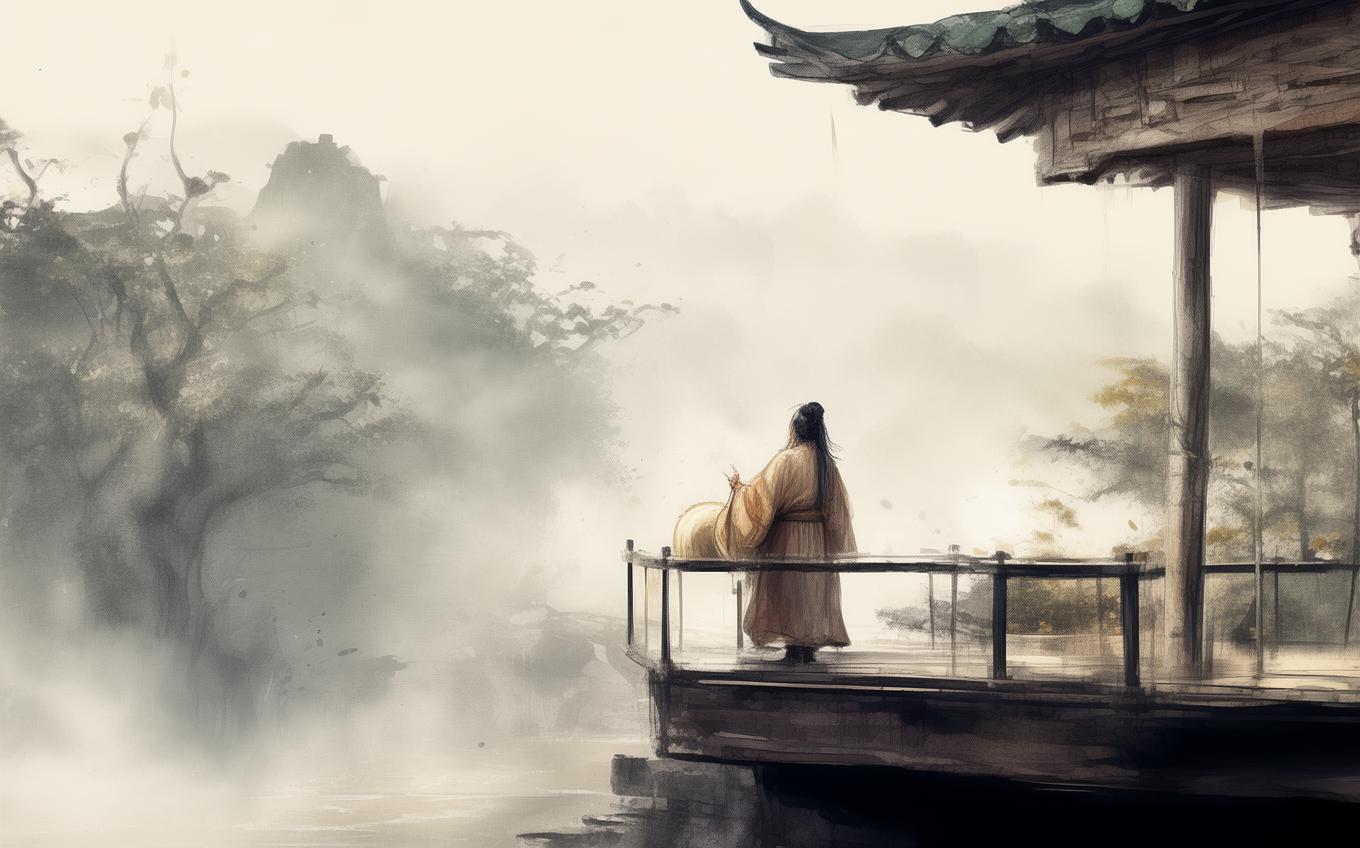
Introduction “鼓吹曲辞临高台” (Gǔchuī qǔcí: Lín gāo tái) belongs to the Yuefu tradition, a body of ancie...
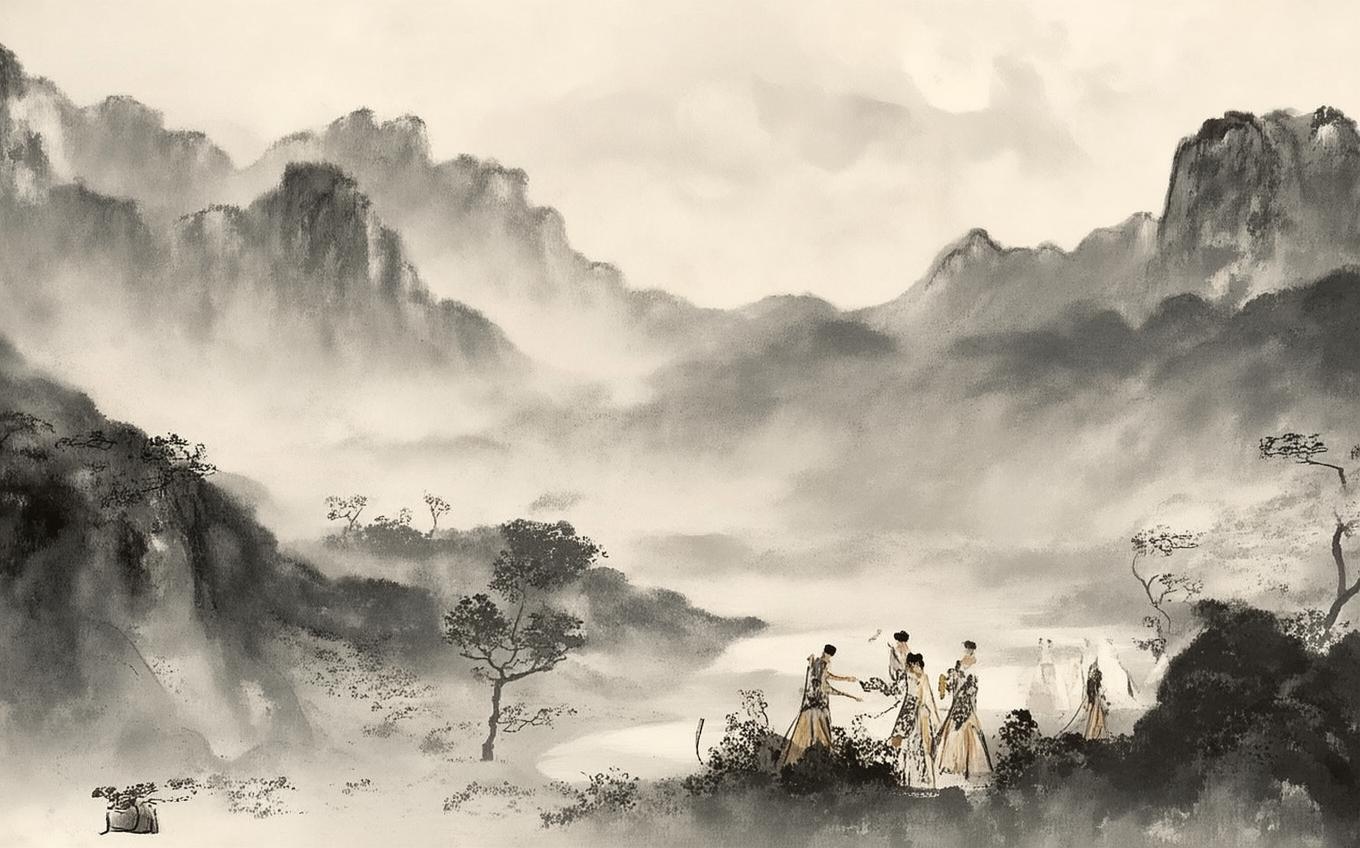
Introduction “鼓吹曲辞雉子班” (Gǔchuī Qǔcí: Zhìzǐ Bān) is an ancient Chinese Yuefu poem, preserved under...
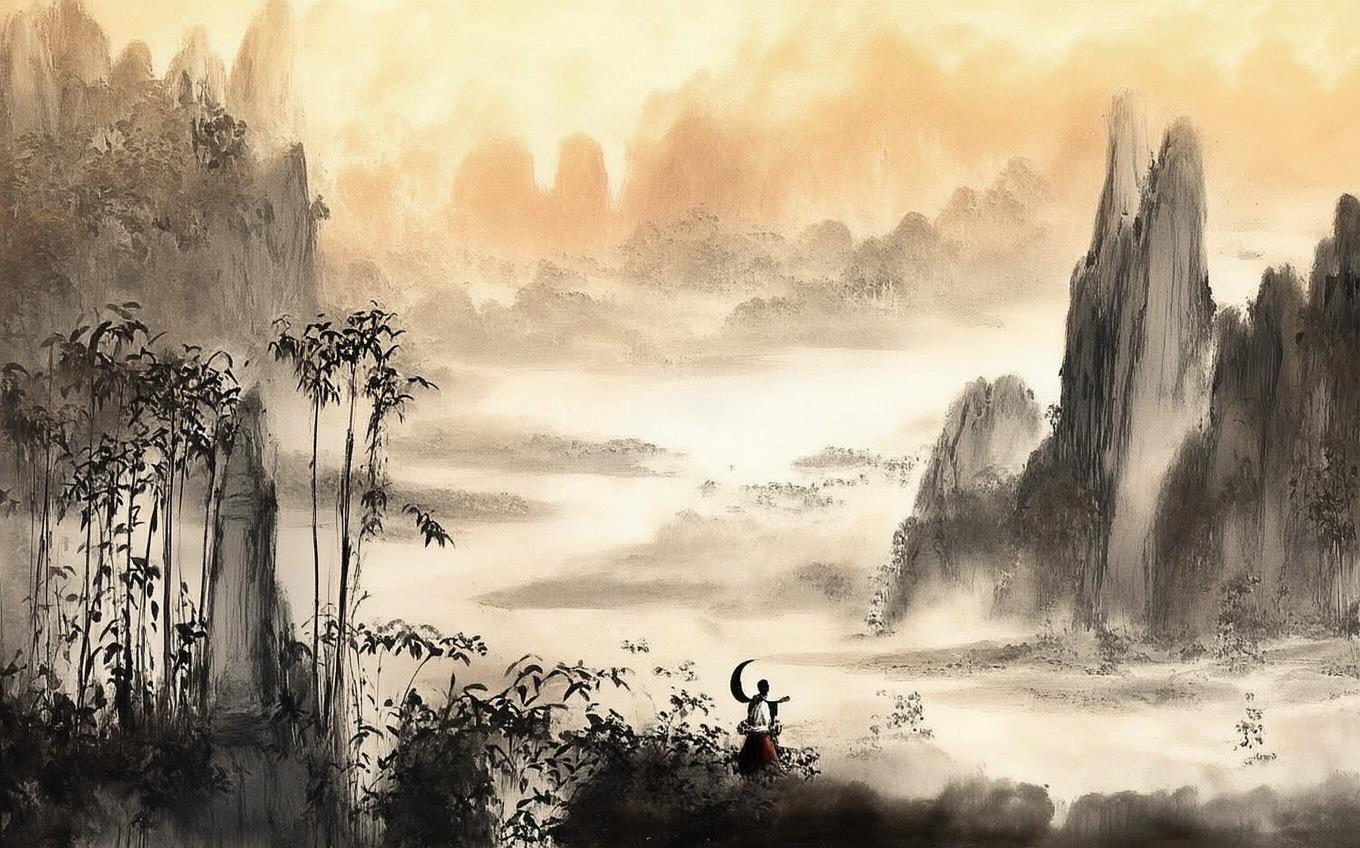
Introduction “鼓吹曲辞·有所思” (Gǔchuī Qǔcí · Yǒu Suǒ Sī) is an anonymous poem from the Han dynasty Yuef...