Analysis of “兽之穷” (The Beast in Dire Straits) – Classical Chinese Poetry from the *Guchui Yuefu* Tradition
Introduction Li He (791–817), courtesy name Changji, is one of the most distinctive voices of the T…
Introduction Li He (791–817), courtesy name Changji, is one of the most distinctive voices of the T…
Introduction In the vast treasury of classical Chinese poetry, the yuefu 乐府 (Music Bureau) poems ho…
Introduction The poem commonly associated with “鼓吹曲辞黄雀行” is 《野田黄雀行》 Yětián Huángquè Xíng, tradition…
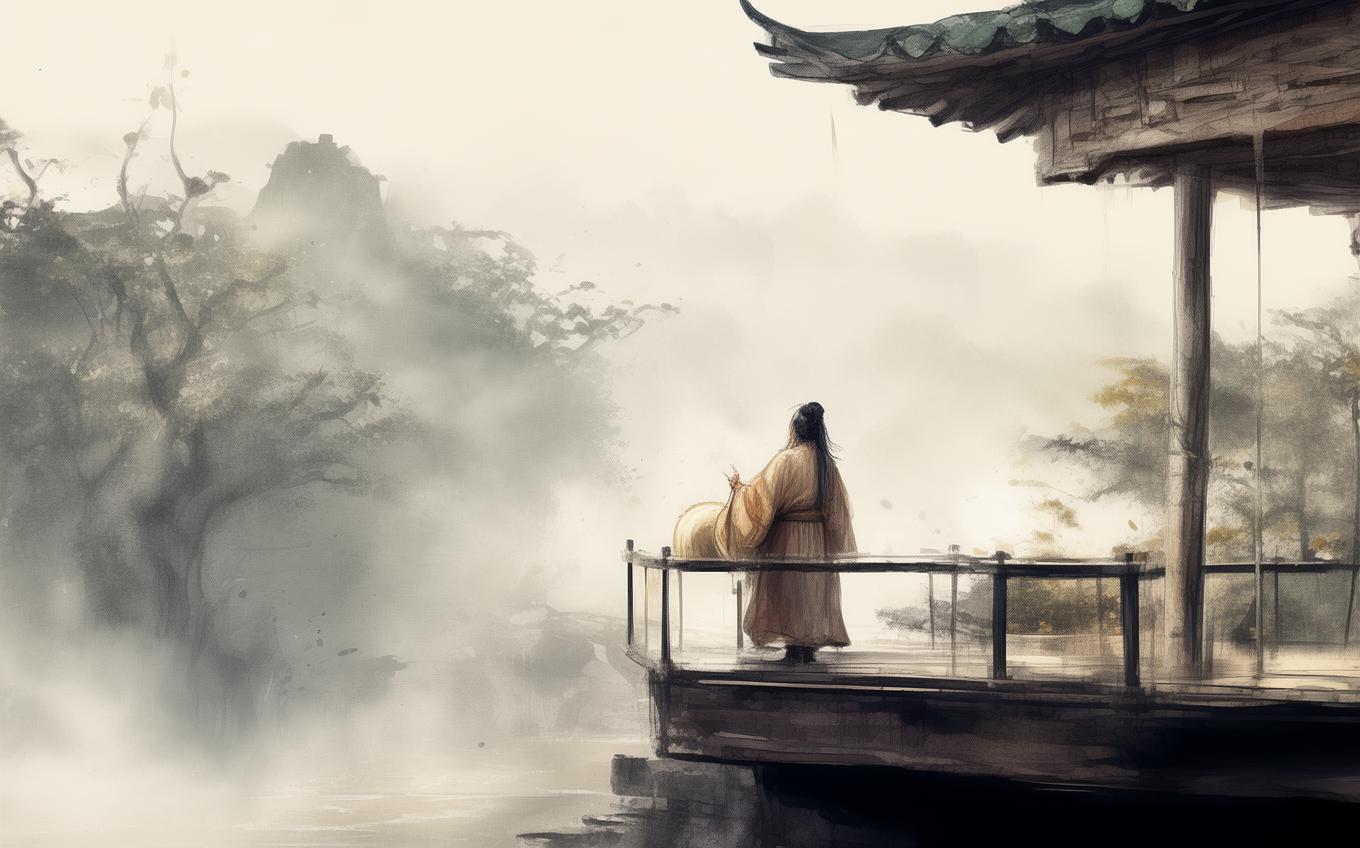
Introduction “鼓吹曲辞临高台” (Gǔchuī qǔcí: Lín gāo tái) belongs to the Yuefu tradition, a body of ancient…
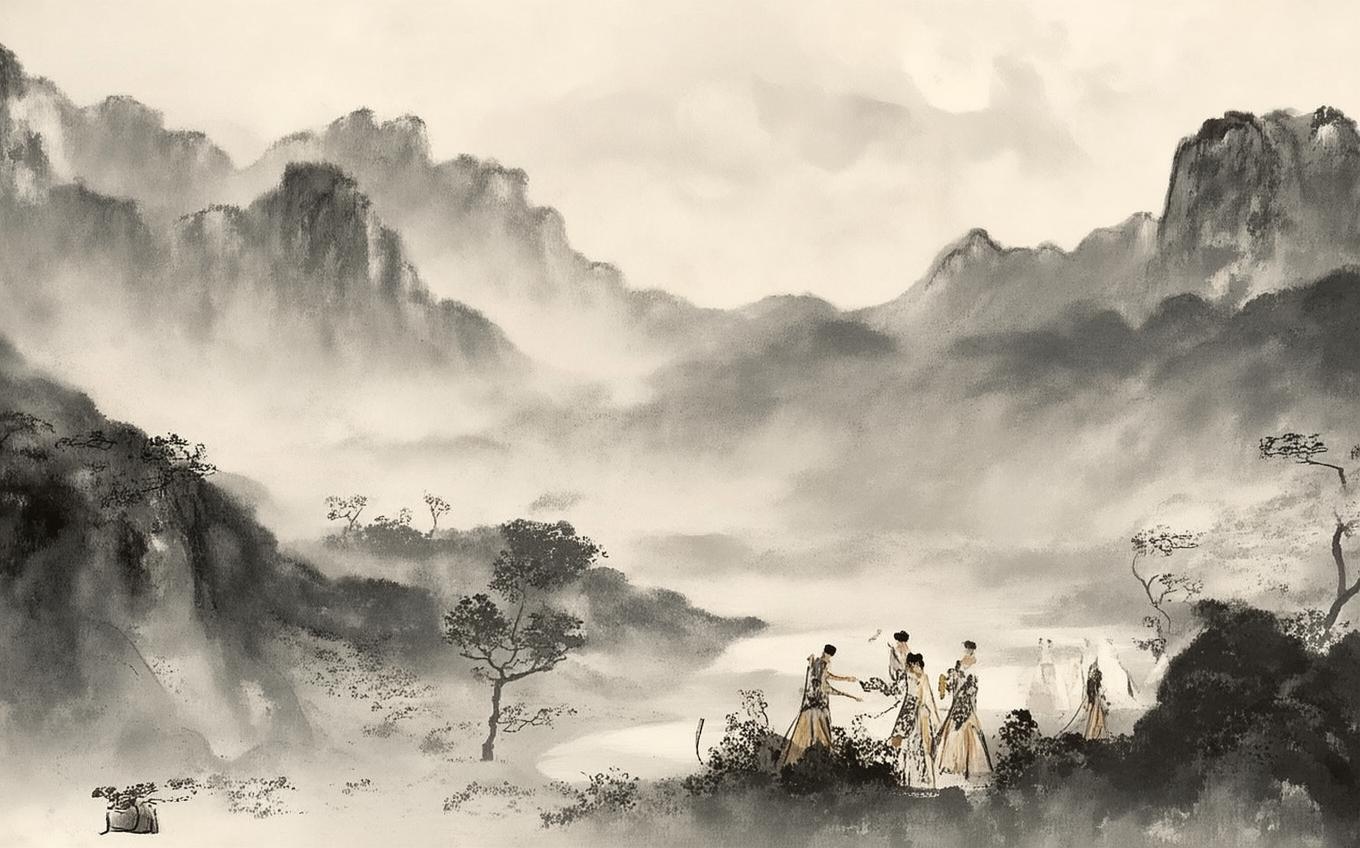
Introduction “鼓吹曲辞雉子班” (Gǔchuī Qǔcí: Zhìzǐ Bān) is an ancient Chinese Yuefu poem, preserved under t…
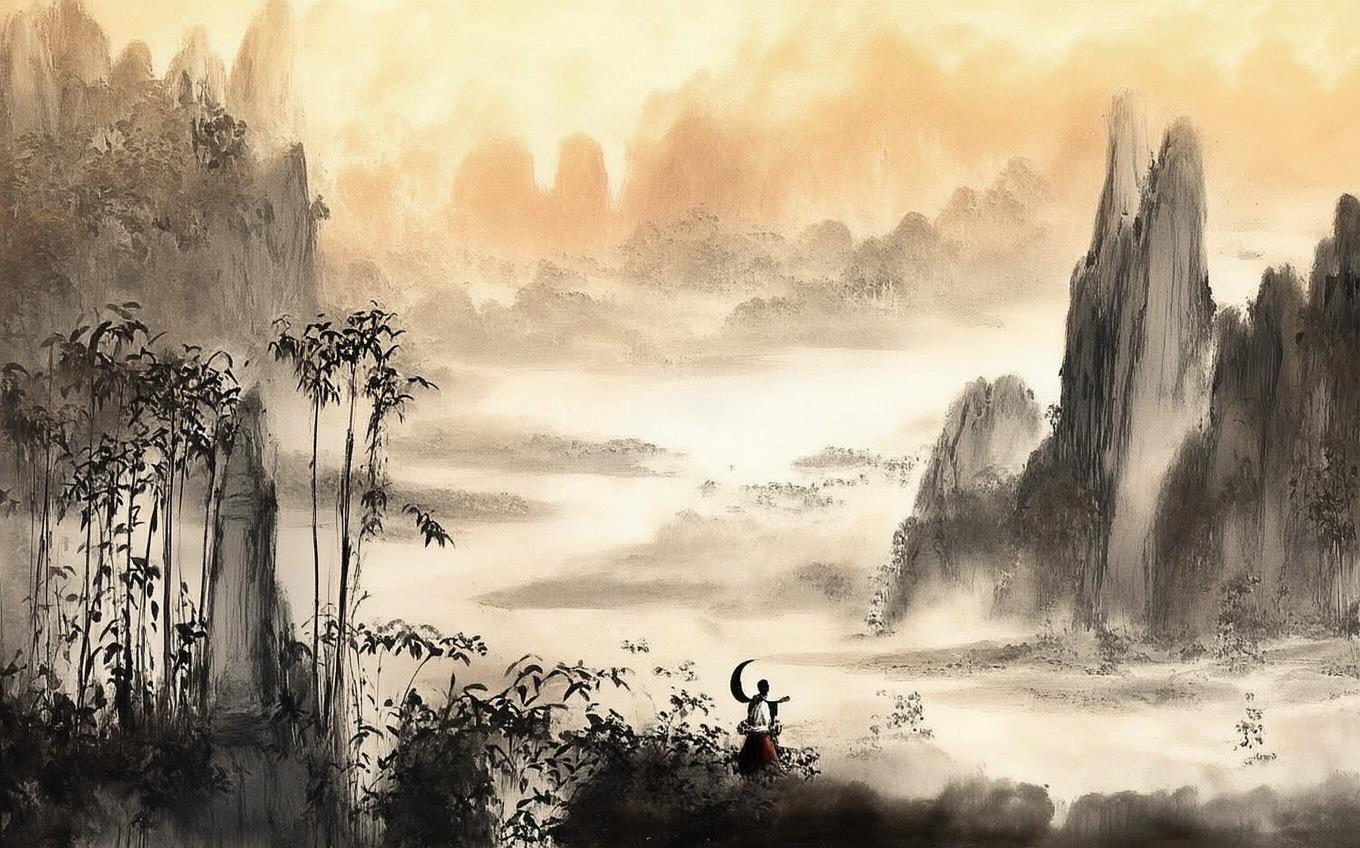
Introduction “鼓吹曲辞·有所思” (Gǔchuī Qǔcí · Yǒu Suǒ Sī) is an anonymous poem from the Han dynasty Yuefu …
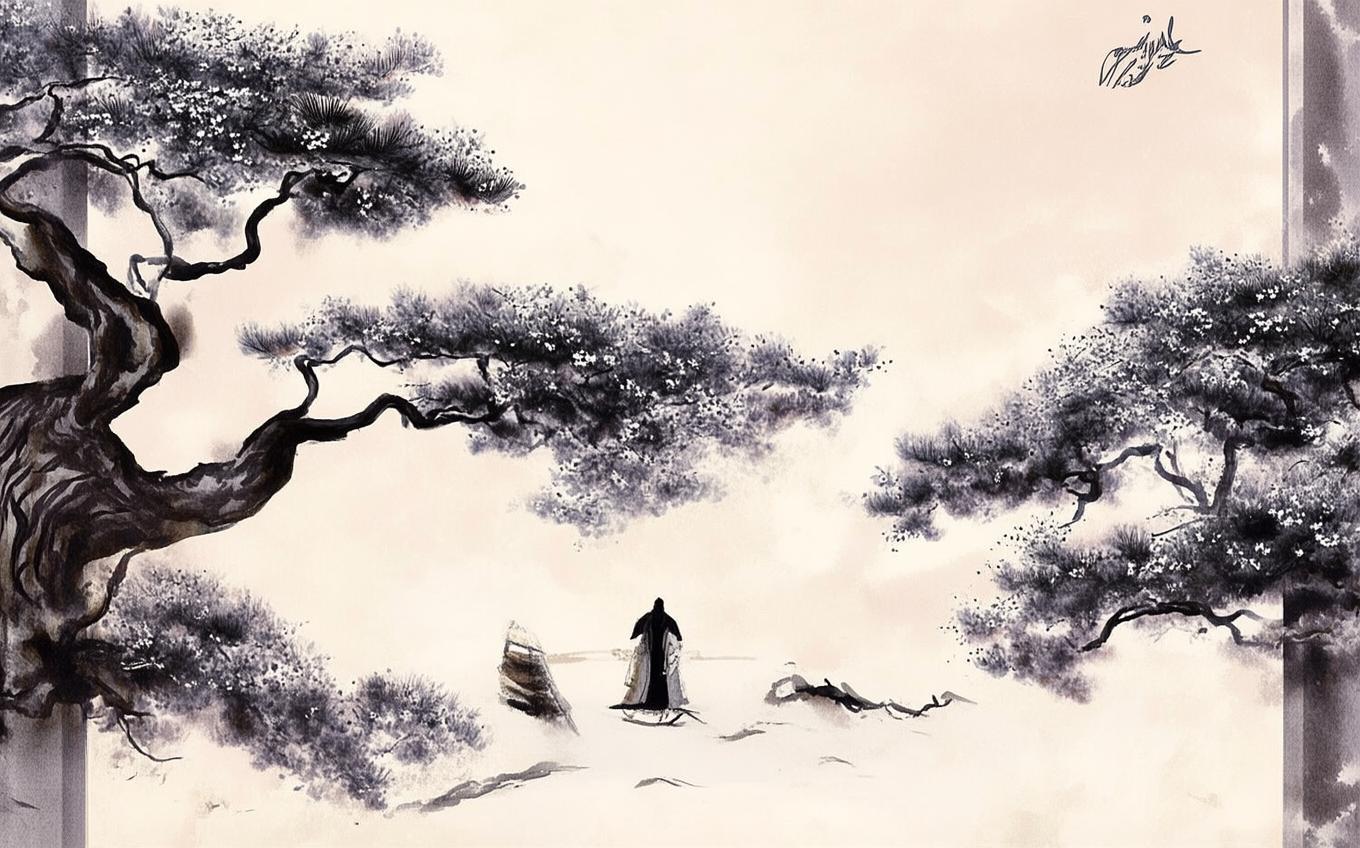
Introduction “鼓吹曲辞芳树” (Gǔchuī Qǔcí Fāngshù, “Fragrant Trees” from the DrumandWind Songs) is a Yuefu…
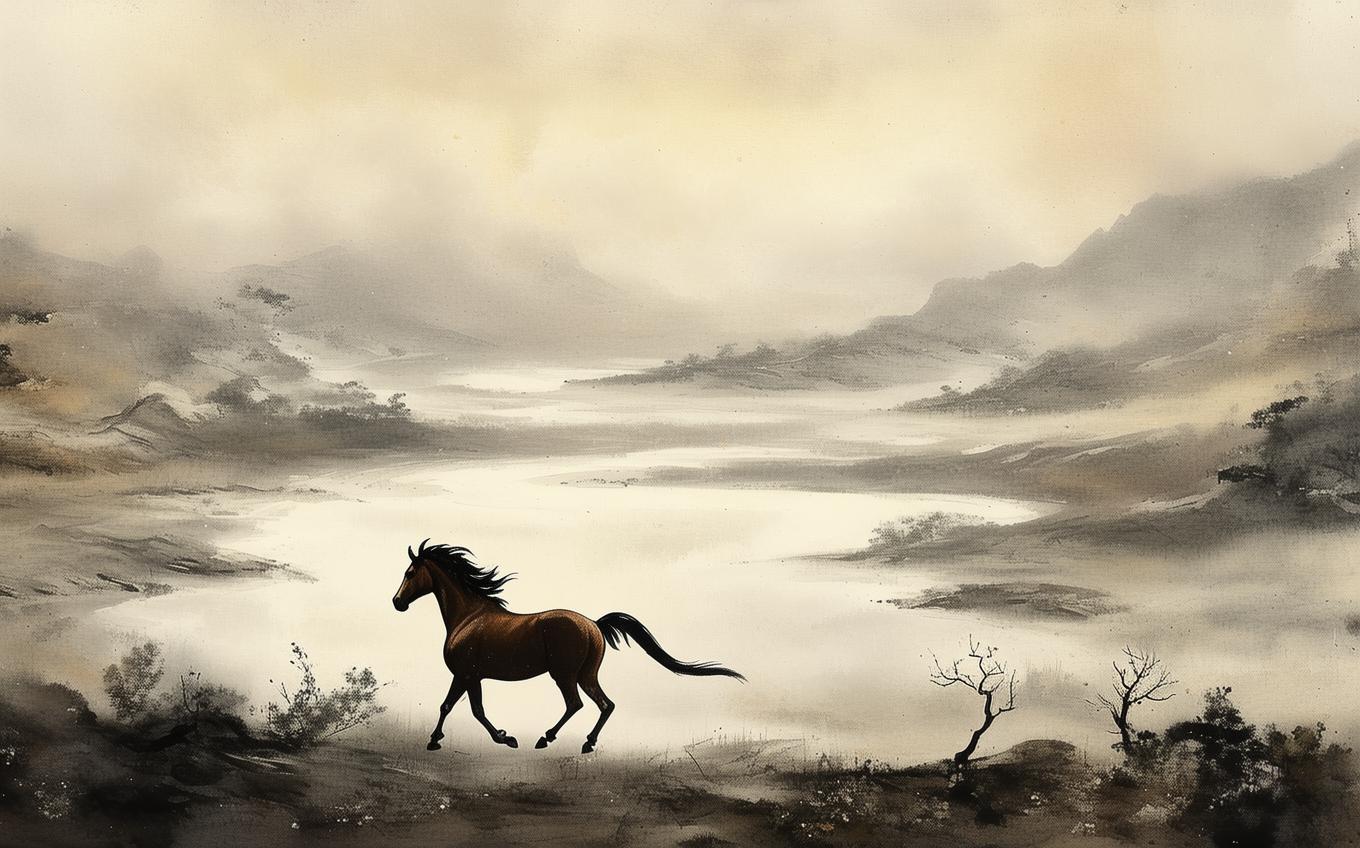
Introduction The title “鼓吹曲辞君马黄” combines a genre name and a poem title from the treasure house of …

Introduction Among the oldest surviving pieces of Chinese poetry are the yuefu (乐府), folk‑style son…