Analysis of "没了期歌" – Classical Chinese Poetry
Introduction Imagine the relentless rhythm of picks and shovels under the Tang dynasty sun, where...
Introduction Imagine the relentless rhythm of picks and shovels under the Tang dynasty sun, where...
Introduction Amid the turbulence of the Five Dynasties and Ten Kingdoms period (907–979 CE), when...
Introduction In the luminous tapestry of classical Chinese poetry, the ci (词) form—sung to existi...

Introduction “过白卫岭和韩昭” (Guò Báiwèi Lǐng hè Hán Zhāo) is attributed to Wang Yan (王衍, Wáng Yǎn), th...
Introduction “题劒门” (Tí Jiànmén, “Written at Jianmen Pass”) is traditionally associated with poetr...

Introduction The poem “幸秦川上梓潼山” (Xìng Qínchuān Shàng Zǐtóng Shān) is traditionally attributed to ...

Introduction "赠别唐太师道袭" (Zèngbié Táng Tàishī Dàoxí, “Farewell Gift to Grand Preceptor Tang Daoxi”)...
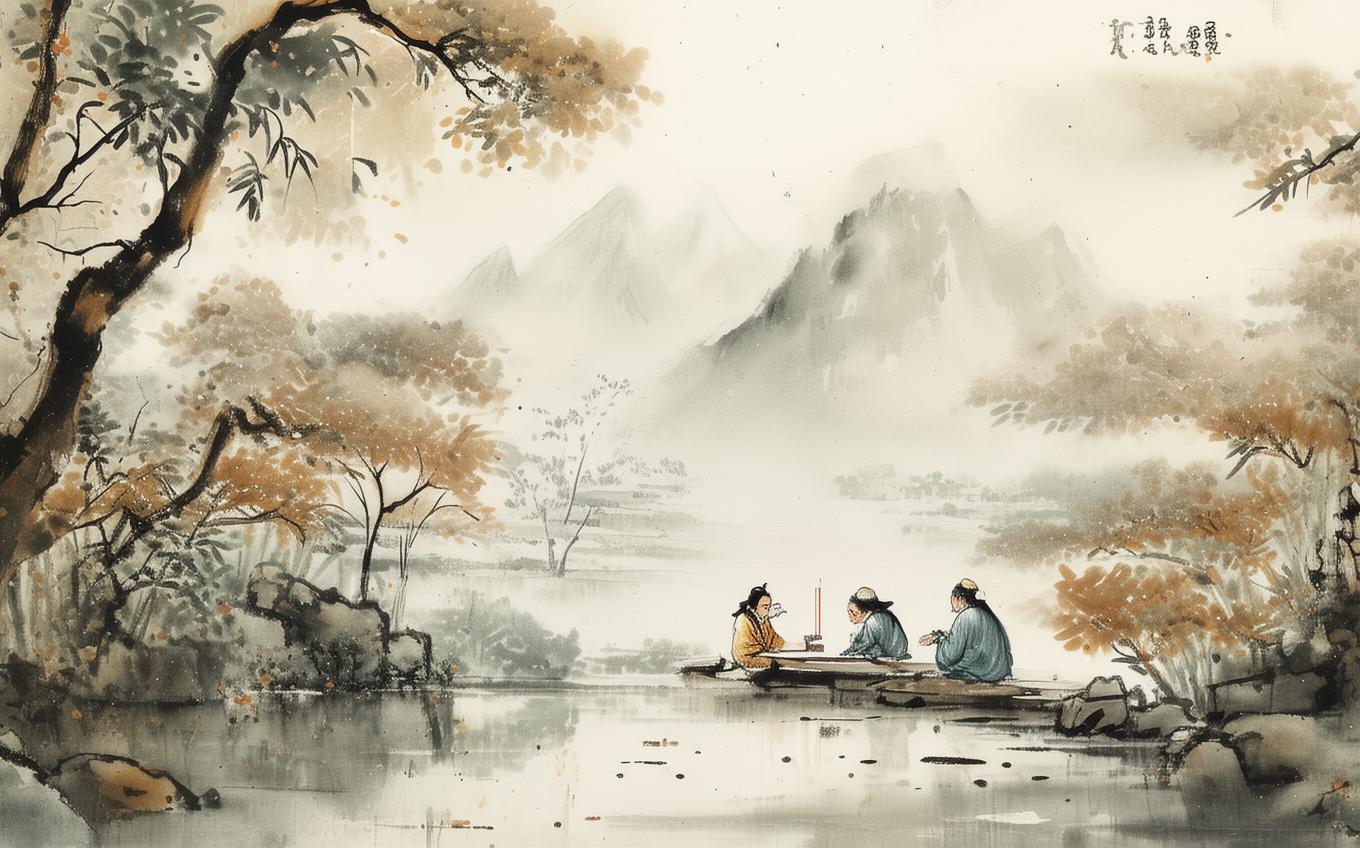
Introduction The poem 《观棋》 Guān qí, “Watching a Game of Chess,” is traditionally attributed to 杜荀...
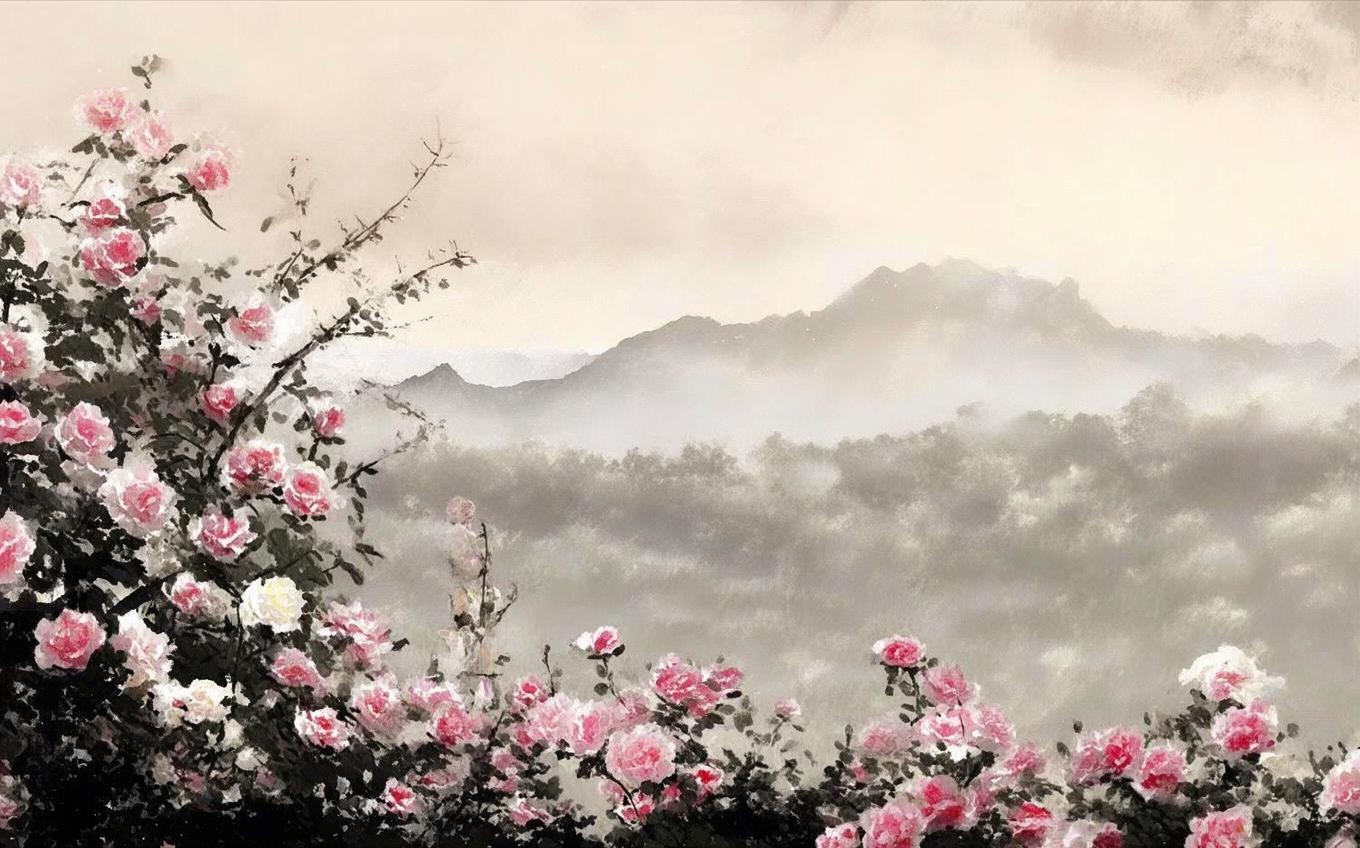
Read a clear analysis of "蔷薇诗一首十八韵呈东海侍郎徐铉", including theme, imagery, and reading notes.
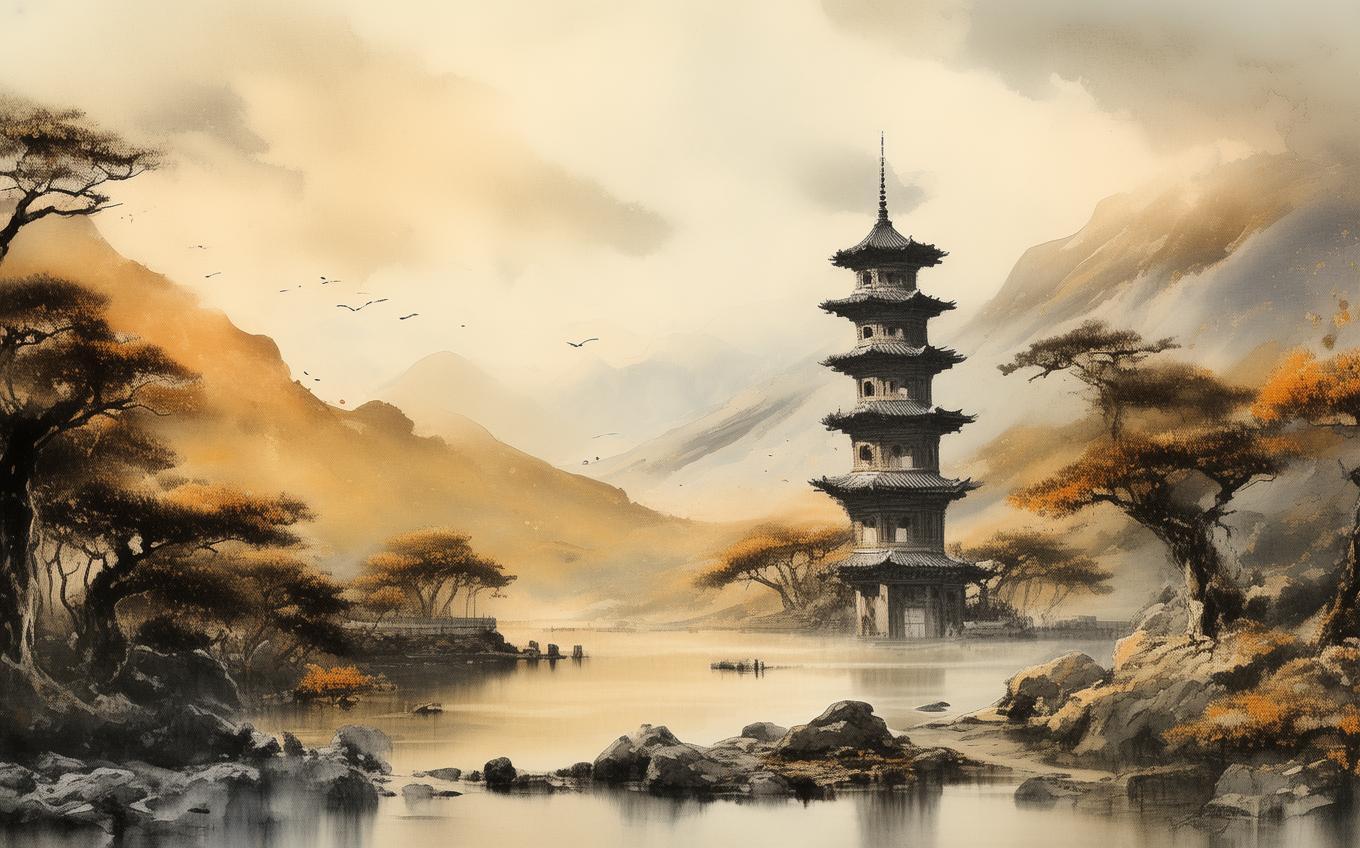
Introduction Poet: 李煜 (Lǐ Yù, 937–978), also known as the Last Ruler of Southern Tang, was one of...

Introduction Li Yu 李煜 (Lǐ Yù, 937–978) was the last ruler of the Southern Tang 南唐 (Nán Táng) duri...
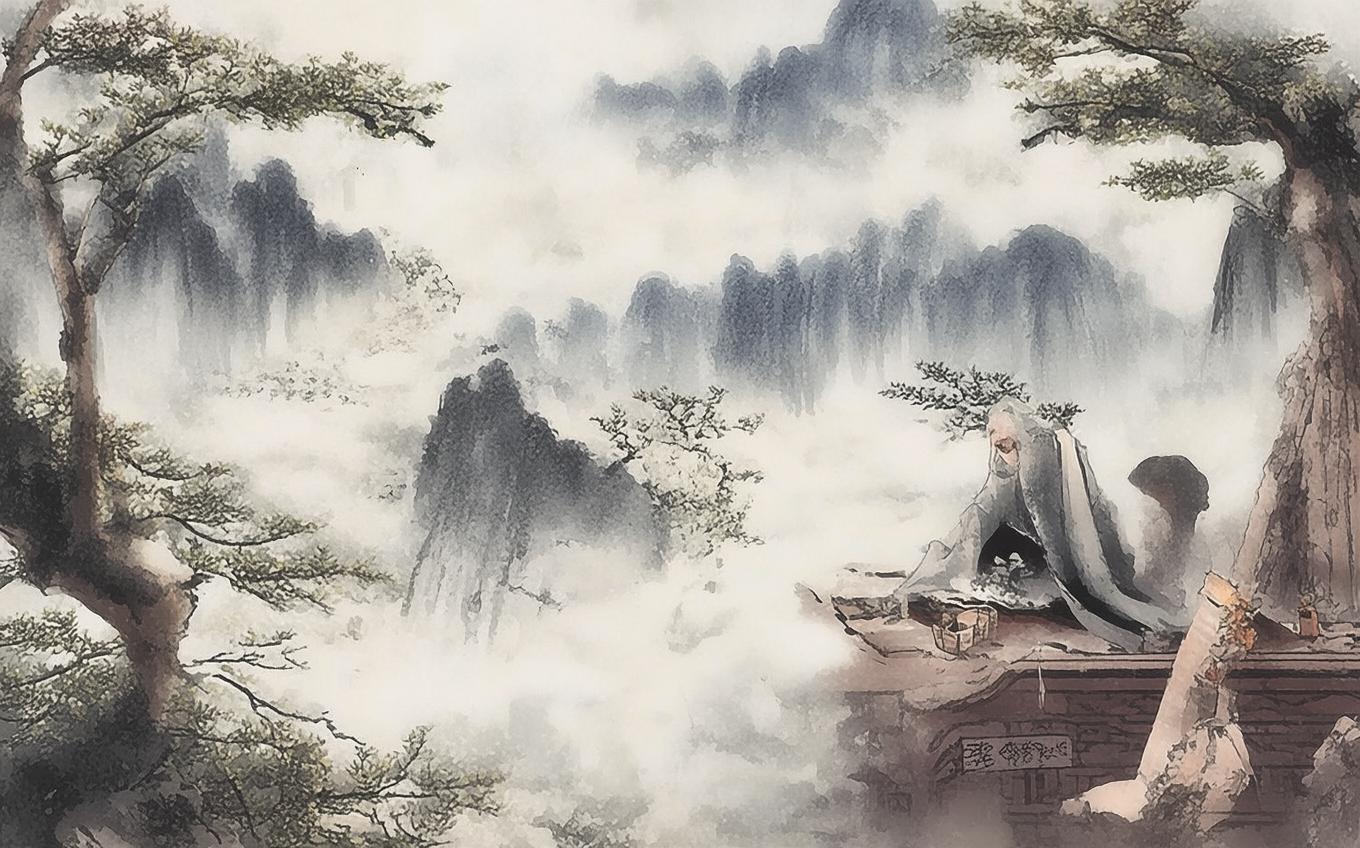
Introduction “病中书事” (Bìng Zhōng Shū Shì, “Writing of Things While Ill”) is a poem traditionally a...