
Analysis of "秋蕊香引" - Classical Chinese Poetry
Introduction "秋蕊香引" is not the poem’s subject in the modern sense, but its cípái—the tune pattern t…
Introduction "秋蕊香引" is not the poem’s subject in the modern sense, but its cípái—the tune pattern t…

Introduction "西平乐" (Xī Píng Lè), or "Joy of Western Peace," is a celebrated ci poem by the Northern…

Introduction The poem "法曲献仙音" (Fǎ Qǔ Xiàn Xiān Yīn), whose title translates to "Music from the LawB…

Introduction "婆罗门令" is a cí (lyric) tune pattern rather than the name of a single universally known…

Introduction "巫山一段云" (Wūshān Yī Duàn Yún) is not originally the title of a single poem in the moder…

Introduction "采莲令" (Cǎi Lián Lìng) is a cí lyric by Liu Yong (Liǔ Yǒng, 柳永), one of the most import…

Introduction "归朝欢" (Guī Cháo Huān) is the name of a cí tune pattern rather than the title of a sing…

Introduction "迷仙引" (Mí Xiān Yǐn) is a cí (词), a lyric form of classical Chinese poetry that was ori…
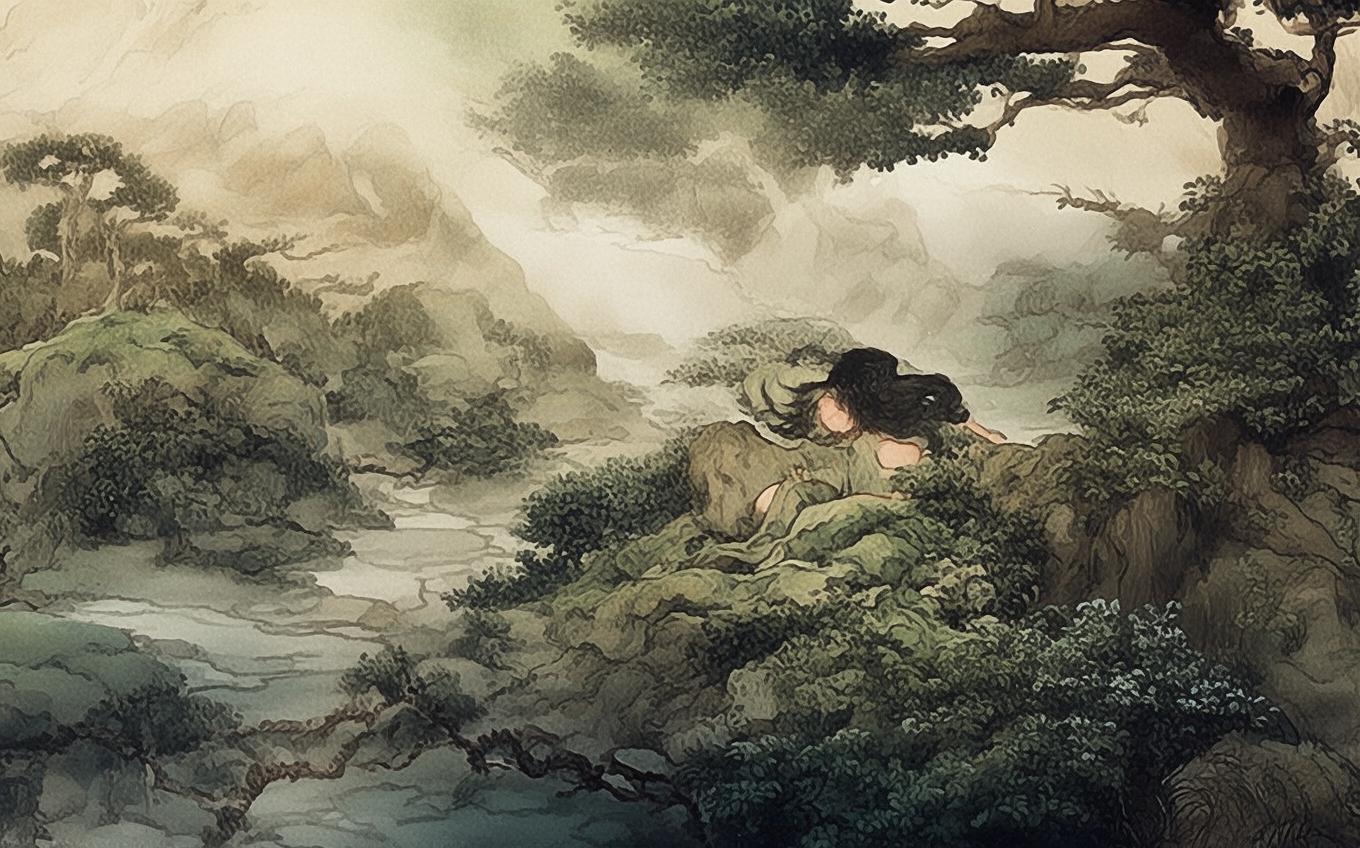
Introduction “佳人醉” (Jiā Rén Zuì, “The Beautiful Lady Is Drunk”) is the name of a cí tune pattern, a…

Introduction “征部乐” (Zhēng Bù Yuè) is the name of a cí tune pattern rather than the title of a poem …

Introduction The phrase 慢卷绸 (màn juǎn chóu, “slowly rolling silk”) is not the title of a widely tra…

Introduction 尉迟杯 (Yuchi Bei) is not originally the title of a single poem, but a cí tune pattern (c…