
Analysis of "留客住" - Classical Chinese Poetry
Introduction The phrase “留客住” (liú kè zhù) means “to ask a guest to stay.” In classical Chinese poe…
Introduction The phrase “留客住” (liú kè zhù) means “to ask a guest to stay.” In classical Chinese poe…

Introduction “诉衷情近” (Sù Zhōng Qíng Jìn) is a cí 词 tune pattern, a lyric form that flourished during…
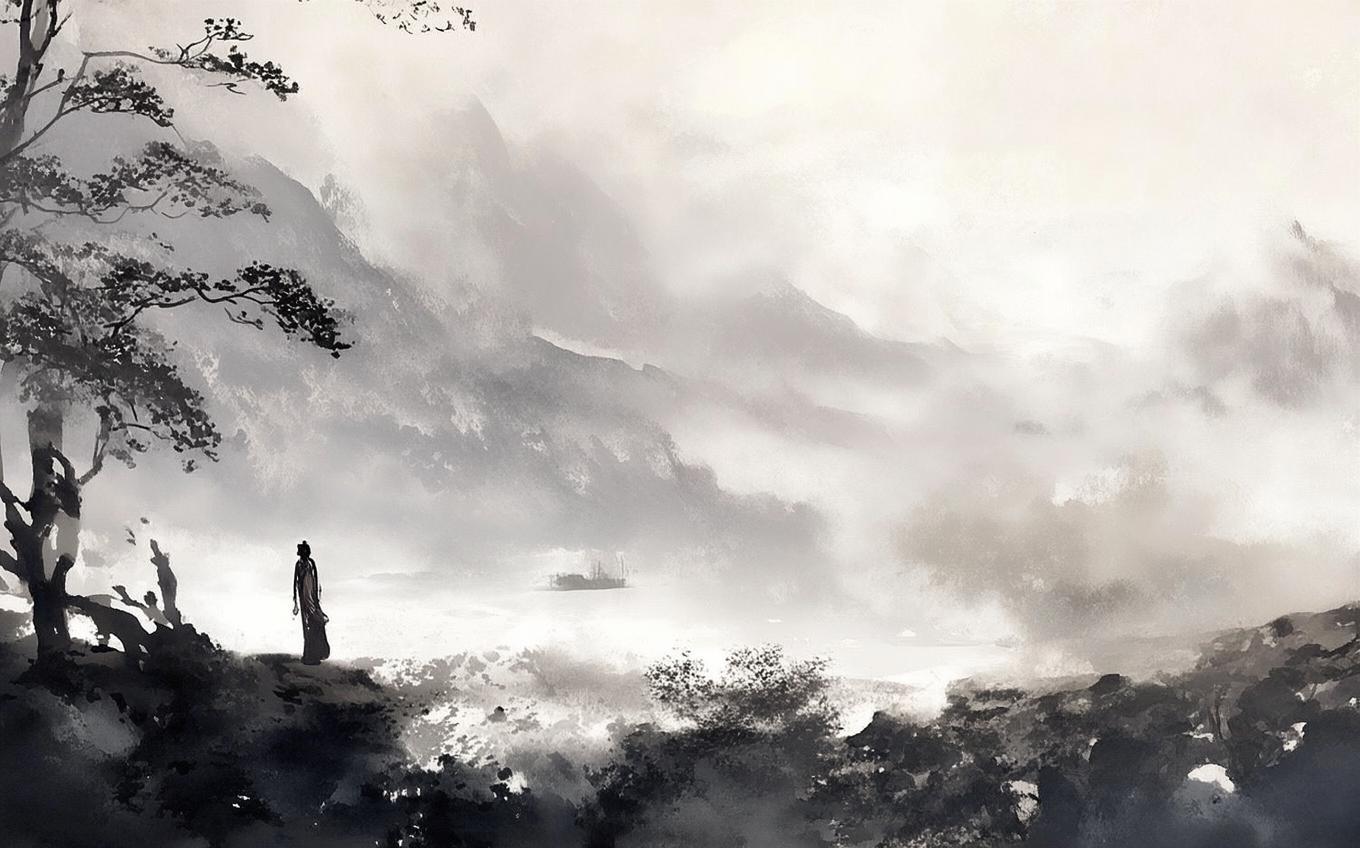
Introduction "宣清" (Xuān Qīng) is not the personal name of a poet, but the name of a cí tune pattern…

Introduction The poem analyzed here is 《醉蓬莱·渐亭皋叶下》 (Zuì Pénglái · Jiàn tíng gāo yè xià) by Liu Yong…

Introduction The poem analyzed here is 《二郎神·炎光谢》 (Èr Láng Shén · Yán guāng xiè) by 柳永 (Liǔ Yǒng, c.…

Introduction 内家娇 (Nèijiā Jiāo) is a cí (词) tune pattern from the Song dynasty, a form of lyric poet…

Introduction 柳永 (Liǔ Yǒng, c. 987–1053) was one of the most influential lyric poets of the Northern…

Introduction The poem associated with “双声子” (Shuāngshēngzǐ) is a cí poem by 柳永 (Liǔ Yǒng), one of t…

Introduction “破阵乐” (Pòzhèn yuè, “Music for Breaking the Enemy Formation”) originally refers to a gr…

Introduction Zhou Bangyan 周邦彦 (1056–1121) was one of the greatest masters of cí 词, a lyric form of …

Introduction "夏云峰" (Xià Yún Fēng, “Summer Cloud Peak”) is not primarily the title of a single poem …