Analysis of "传花枝" - Classical Chinese Poetry
Introduction The phrase 传花枝 (chuán huā zhī, “passing the flower branch”) is closely associated with…
Introduction The phrase 传花枝 (chuán huā zhī, “passing the flower branch”) is closely associated with…
Introduction The phrase “惜春郎” can refer to a traditional Chinese lyric title associated with the ci…

Introduction "金蕉叶" (Jīn Jiāo Yè) is not the title of a single universally known standalone poem in …
Introduction "女冠子" is a ci lyric title, not always the title of a single fixed poem. In classical C…

Introduction “两同心” (Liǎng Tóngxīn, “Two Hearts as One”) is a classical cí tune pattern, and one of …
Introduction 柳初新 (Liǔ Chū Xīn) is not the poet’s name but a cí tune pattern—a fixed lyrical form us…

Introduction 《倾杯乐》 (Qīng Bēi Lè) is a classic song lyric title (ci, 词) from the tradition of Chines…

Introduction “玉女摇仙佩” is a celebrated ci lyric tune title, most famously associated with 柳永 (Liǔ Yǒn…
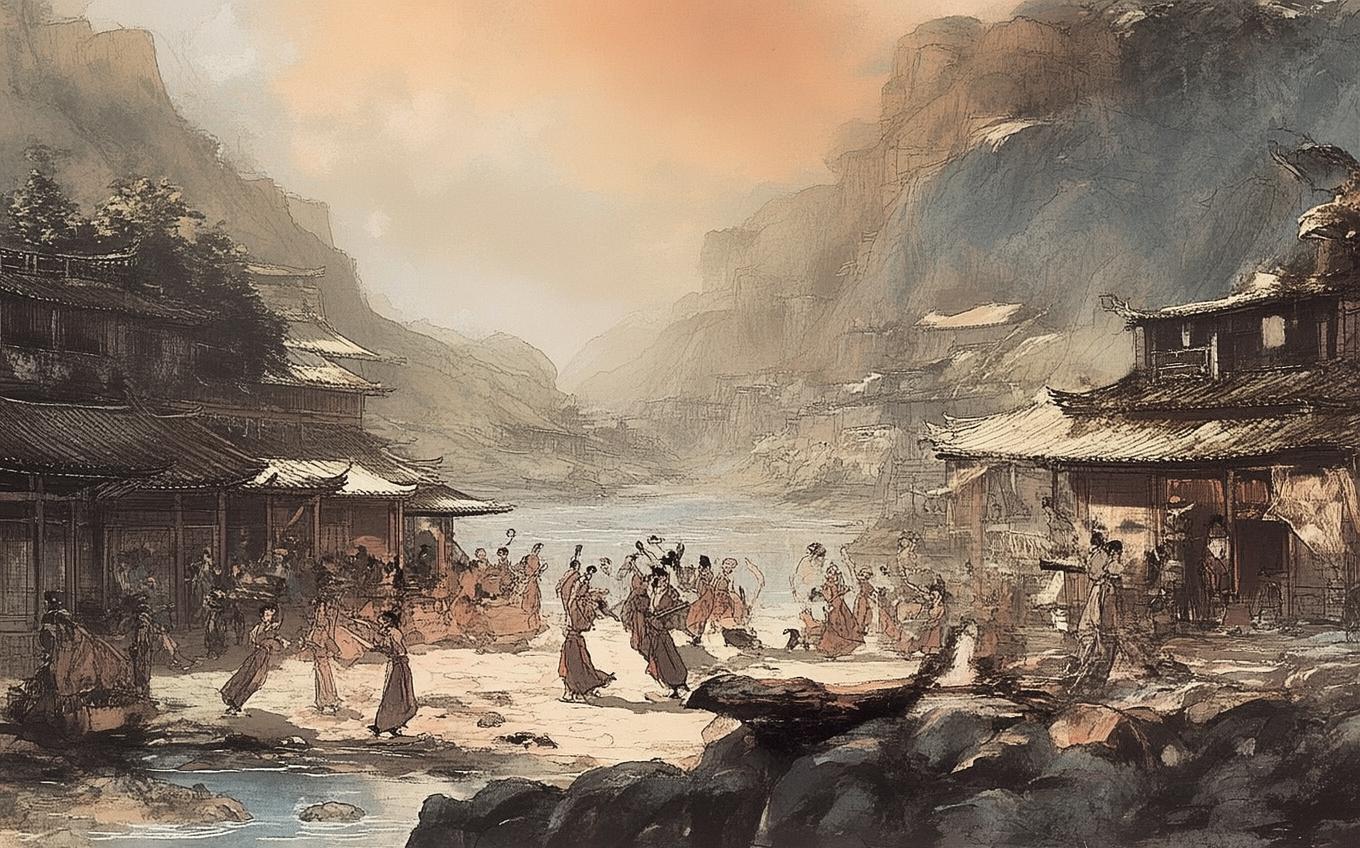
Introduction I need to flag one issue before I can write the article as requested: 扫市舞 is not ident…

Introduction "夜度娘" (Yè dù niáng) is a short ancient Chinese poem traditionally associated with the …

Introduction In Chinese literature, “阳关” is more than a place name. It evokes the emotional world o…
Introduction The Song Dynasty (960–1279) is often celebrated as the golden age of Chinese lyrical p…