Analysis of "批叶翘谏书纸尾" - Classical Chinese Poetry
Introduction 批叶翘谏书纸尾 (Pī Yè Qiáo Jiànshū Zhǐwěi, “Written at the End of Ye Qiao’s Remonstrance Me...
Guided readings of classical Chinese poetry with original text, attribution, pinyin, English translation, line-by-line analysis, imagery, and historical context. New guides use stored source records so the poem text and author can be checked independently.
Introduction 批叶翘谏书纸尾 (Pī Yè Qiáo Jiànshū Zhǐwěi, “Written at the End of Ye Qiao’s Remonstrance Me...
Introduction Meng Chang 孟昶 (Mèng Chǎng, 919–965) was the last ruler of Later Shu 后蜀, a kingdom in...

Introduction In the brief but turbulent era of the Five Dynasties, a local warlord named Qian Liu...
Introduction Imagine the relentless rhythm of picks and shovels under the Tang dynasty sun, where...
Introduction Amid the turbulence of the Five Dynasties and Ten Kingdoms period (907–979 CE), when...
Introduction In the luminous tapestry of classical Chinese poetry, the ci (词) form—sung to existi...
Introduction “过白卫岭和韩昭” (Guò Báiwèi Lǐng hè Hán Zhāo) is attributed to Wang Yan (王衍, Wáng Yǎn), th...
Introduction “题劒门” (Tí Jiànmén, “Written at Jianmen Pass”) is traditionally associated with poetr...

Introduction The poem “幸秦川上梓潼山” (Xìng Qínchuān Shàng Zǐtóng Shān) is traditionally attributed to ...

Introduction "赠别唐太师道袭" (Zèngbié Táng Tàishī Dàoxí, “Farewell Gift to Grand Preceptor Tang Daoxi”)...
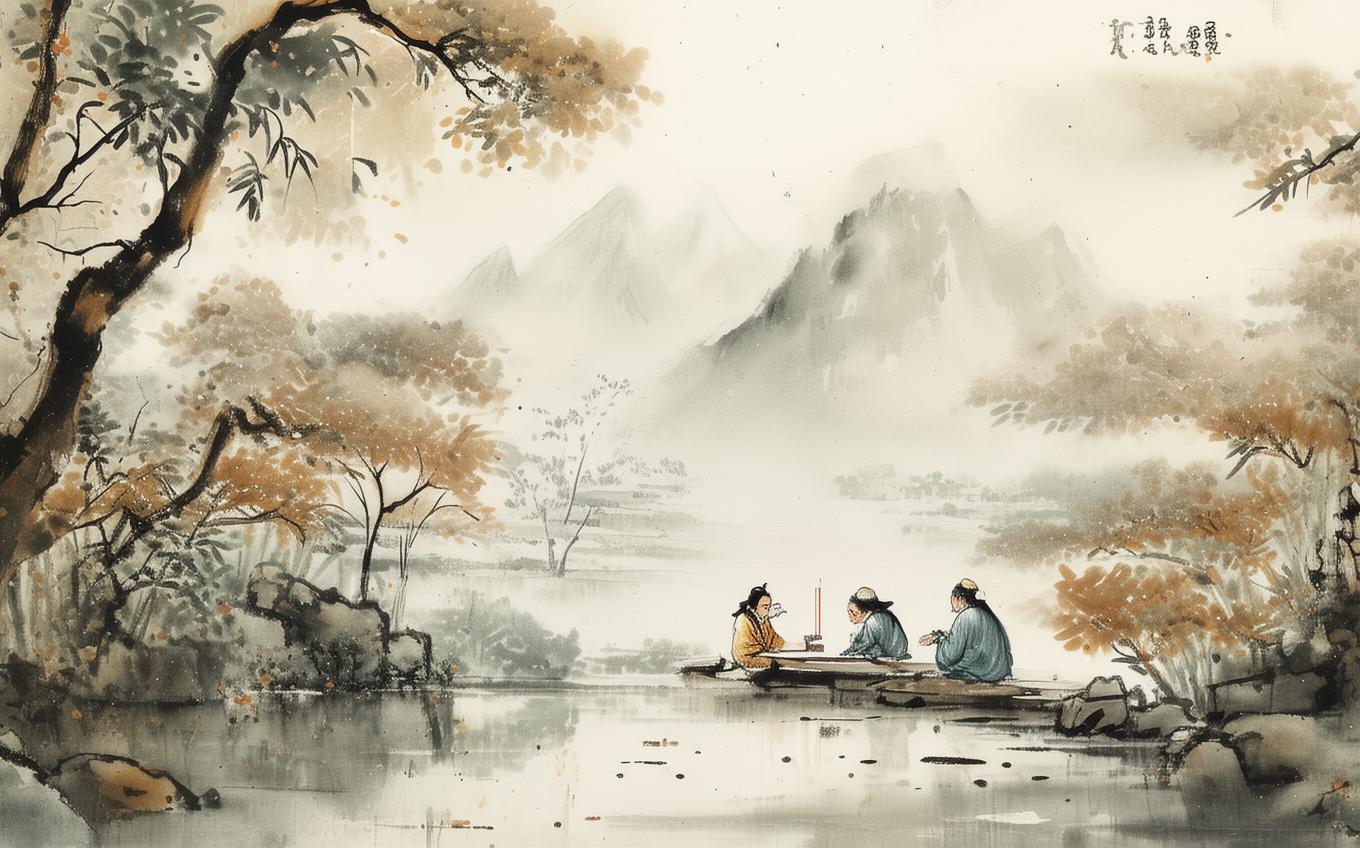
Introduction The poem 《观棋》 Guān qí, “Watching a Game of Chess,” is traditionally attributed to 杜荀...