Analysis of "初秋夜坐" - Classical Chinese Poetry
Introduction Li Bai (701–762), one of China’s most celebrated poets of the Tang dynasty, is renow...
Guided readings of classical Chinese poetry with original text, attribution, pinyin, English translation, line-by-line analysis, imagery, and historical context. New guides use stored source records so the poem text and author can be checked independently.
Introduction Li Bai (701–762), one of China’s most celebrated poets of the Tang dynasty, is renow...
Introduction "秋日翠微宫" (Autumn Day at the Palace of Azure Mist) is a refined landscape poem by Empe...

Introduction Li Bai (701–762), one of the most celebrated figures of the Tang dynasty, is often c...
Introduction In the long and illustrious history of Chinese poetry, few works carry the weight of...
Introduction Few figures in Chinese history embody the ideal relationship between ruler and minis...
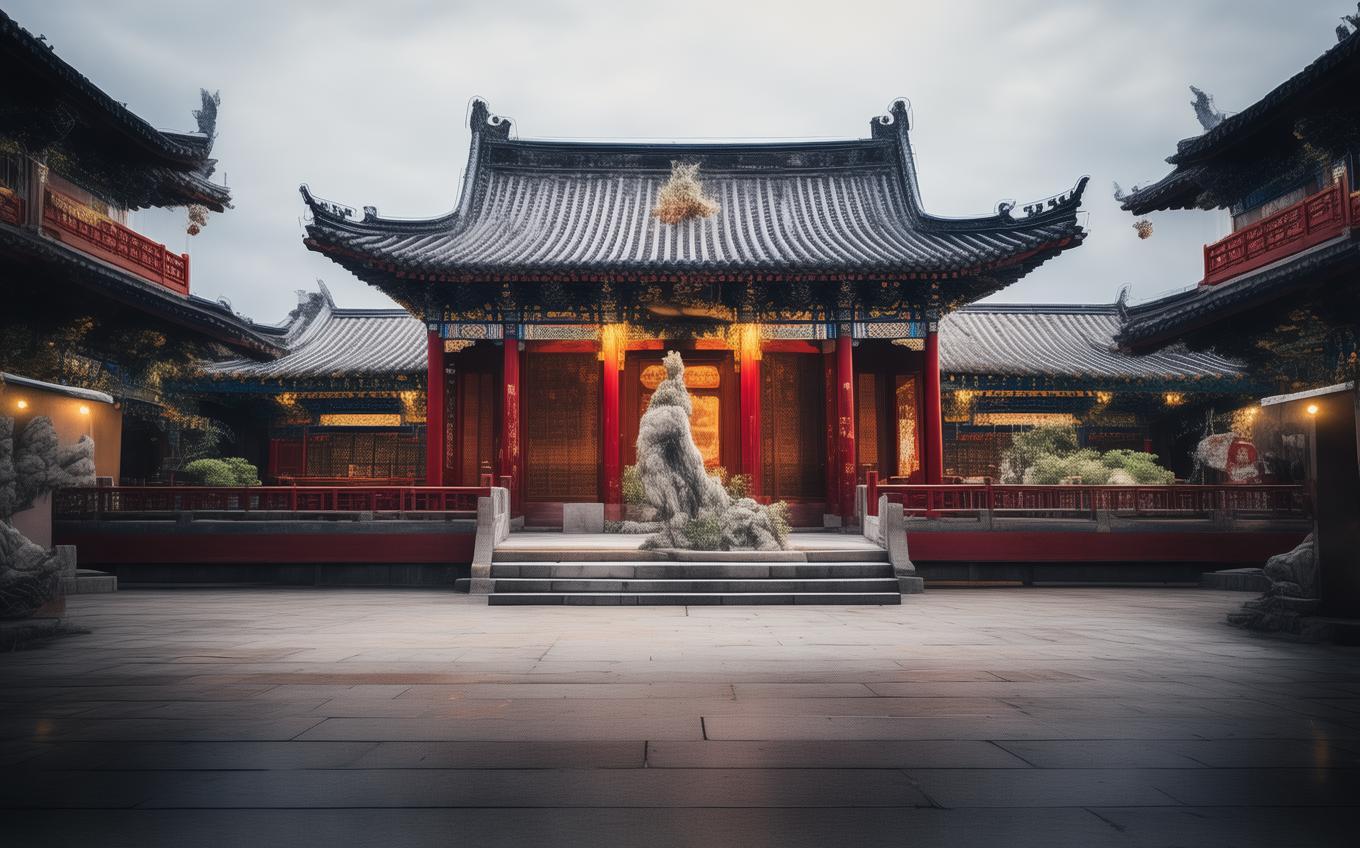
Introduction Li Bai (701–762), often celebrated as the "Immortal Poet," is one of the most lumino...

Introduction Composed by Emperor Taizong of Tang (李世民, Lǐ Shìmín, 598–649), “谒幷州大兴国寺诗” (Yè Bīngzh...
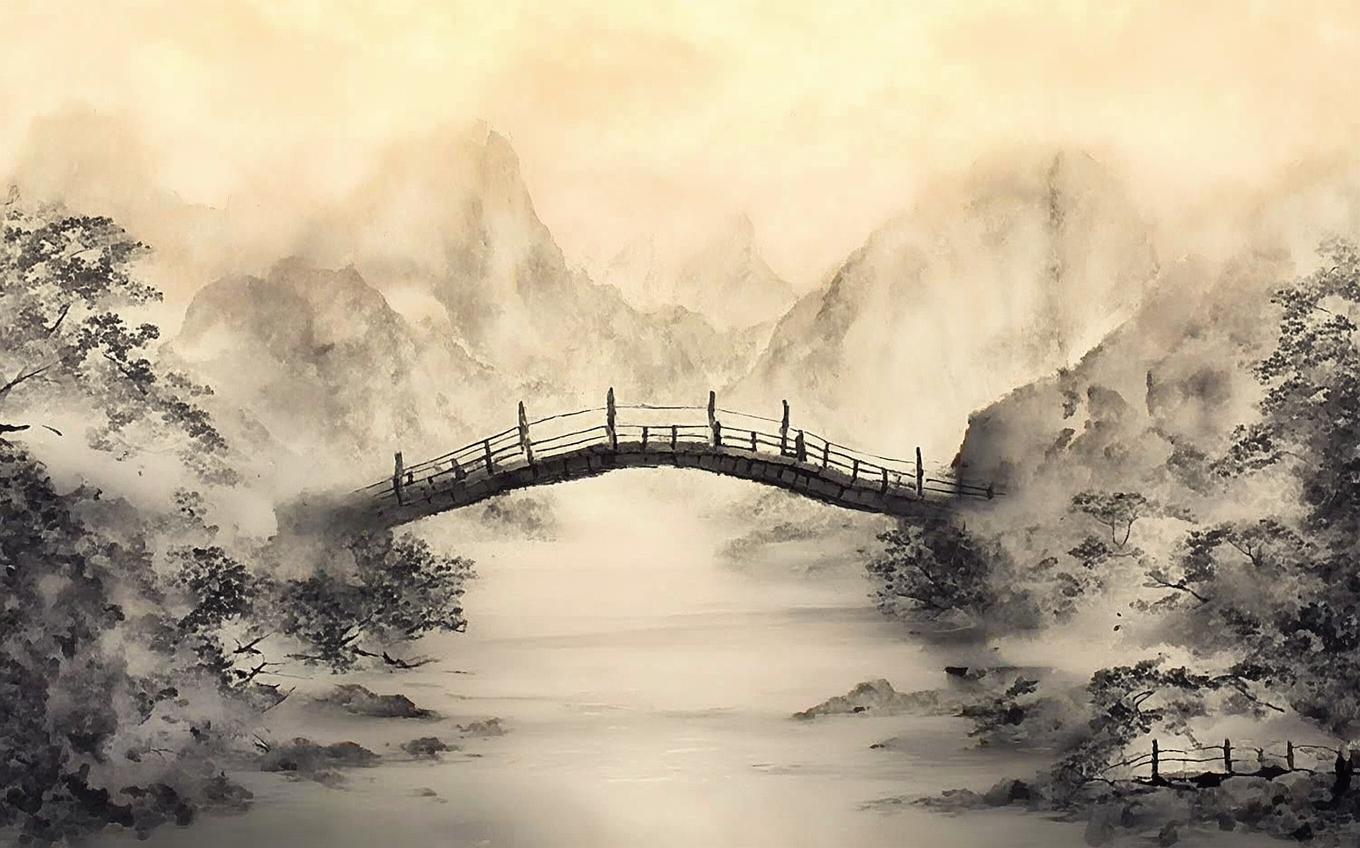
Introduction Few images in Chinese poetry fuse imperial grandeur with the fluid dynamics of natur...

Introduction The poem “赋得李” (Fù dé Lǐ) — “Composed on the Theme of the Plum Tree” — was written b...
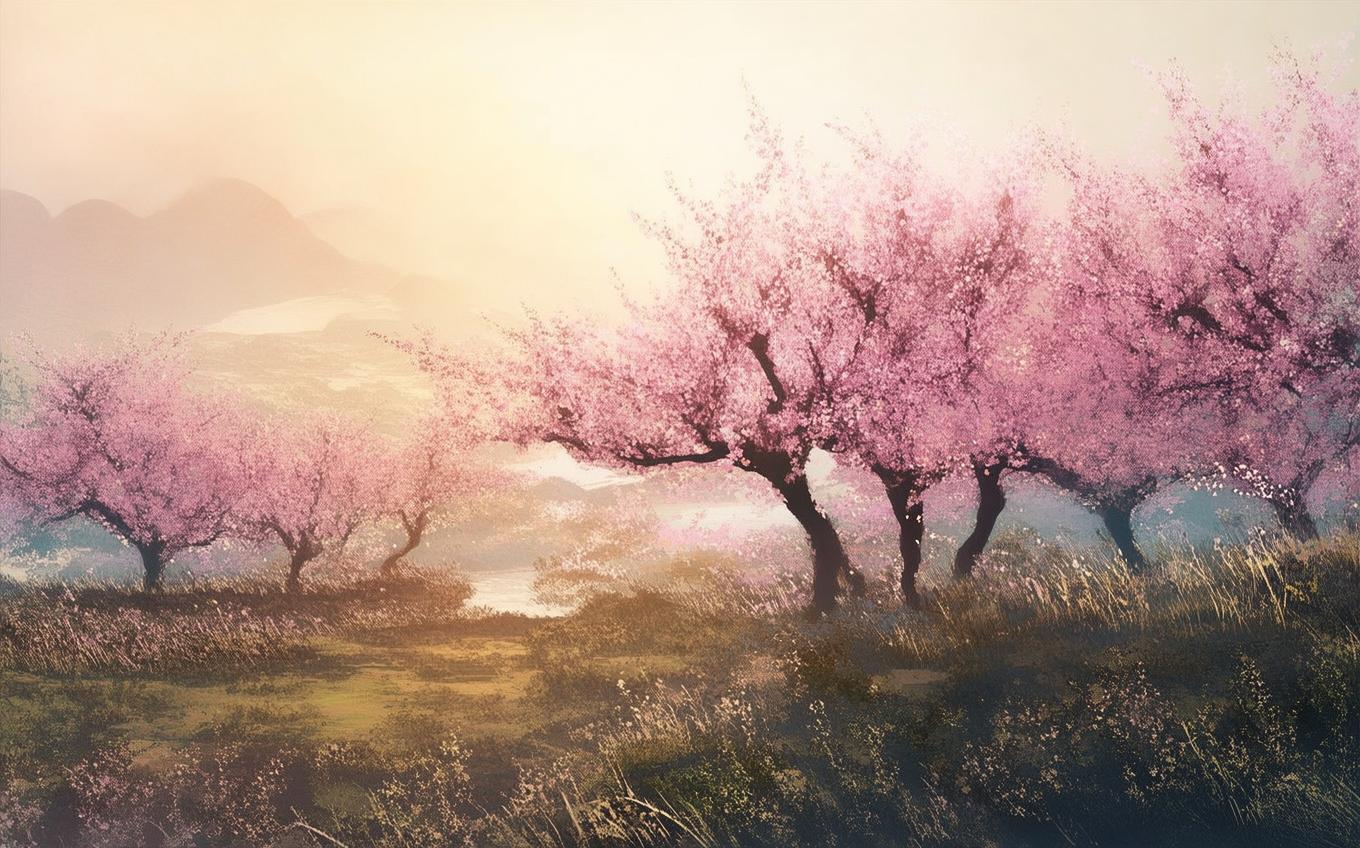
Introduction In the vast garden of Tang Dynasty poetry, Zhang Ji (张籍, c. 767 – c. 830) stands as ...

Introduction In the vast treasury of classical Chinese poetry, the Nineteen Old Poems (古诗十九首, Gǔs...

Introduction The poem "置酒坐飞阁" (Zhì jiǔ zuò fēi gé / Setting Wine in the Flying Pavilion) is a ref...