Ancient Poems Learning Hub
Guided readings of classical Chinese poetry with original text, attribution, pinyin, English translation, line-by-line analysis, imagery, and historical context. New guides use stored source records so the poem text and author can be checked independently.

Analysis of "江雪" (River Snow) – A Classical Chinese "咏雪" Masterpiece
Introduction When the theme of "咏雪" (chanting about snow) arises in classical Chinese poetry, one...
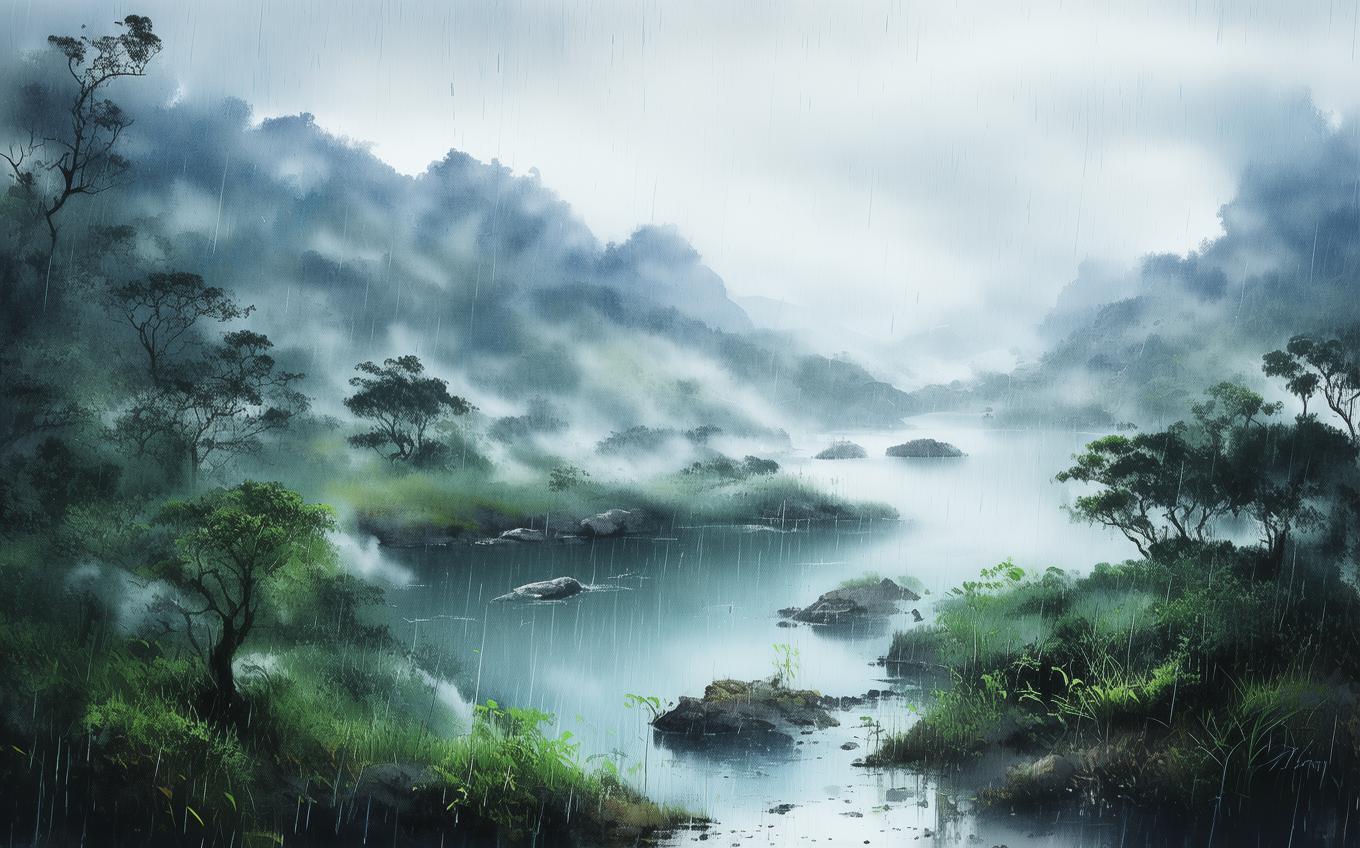
Analysis of "咏雨" - Classical Chinese Poetry
Introduction The phrase yǒng yǔ (咏雨) simply means “chanting about rain” – a poetic theme that has...
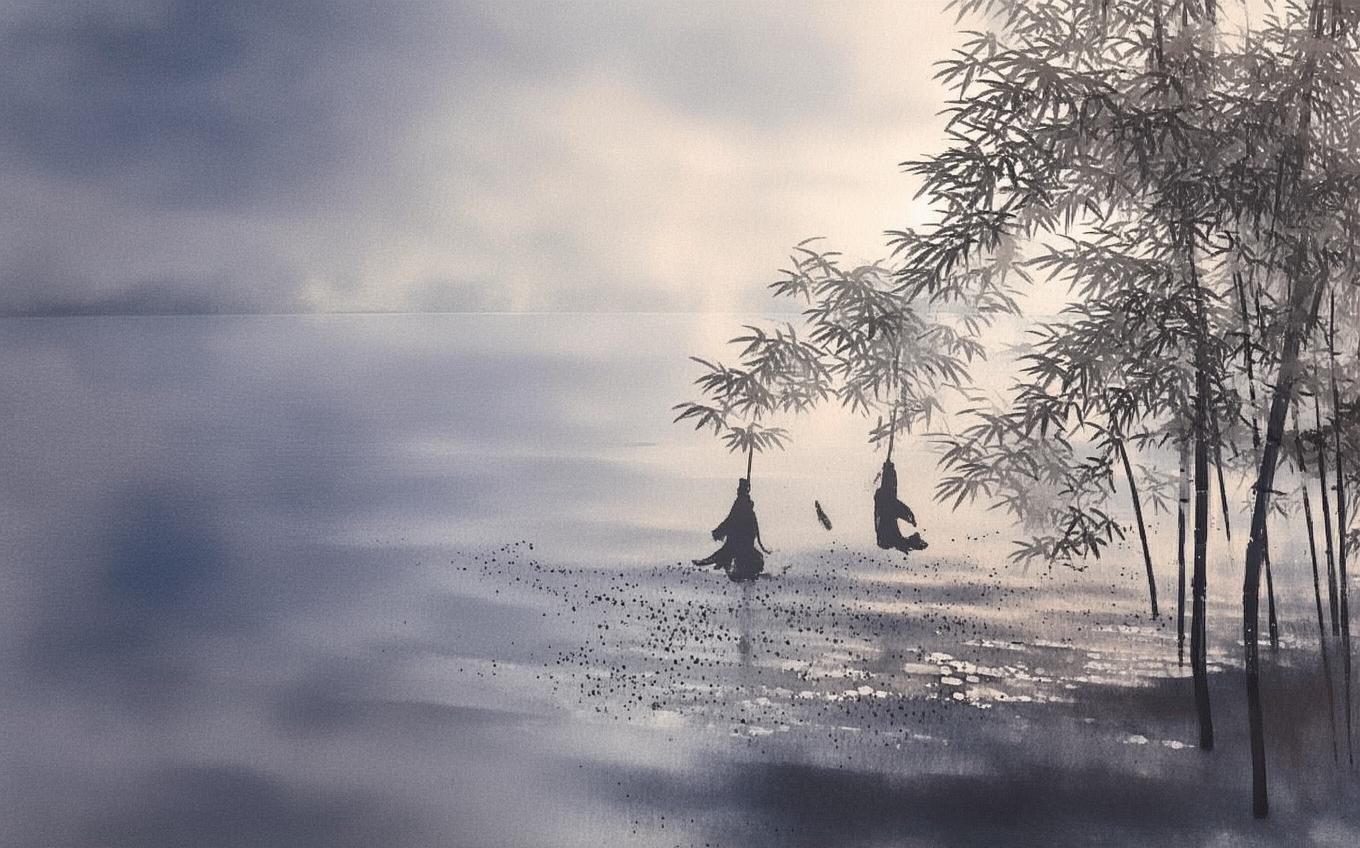

Analysis of "秋日效庾信体" – Classical Chinese Poetry
Introduction In the early Tang Dynasty, China experienced a cultural renaissance where emperors t...
Analysis of “喜雪” – Classical Chinese Poetry
Introduction Li Shangyin (李商隐, c. 813–858) remains one of the most admired poets of the late Tang...

Analysis of "秋暮言志" – Classical Chinese Poetry
Introduction The poem “秋暮言志” (Autumn Evening, Expressing My Aspirations) comes from a remarkable ...

Analysis of "山阁晚秋" - Classical Chinese Poetry
Introduction The poem “山阁晚秋” (Mountain Pavilion in Late Autumn) was composed by Emperor Taizong o...
Analysis of "秋日即目" - Classical Chinese Poetry
Introduction The poem “秋日即目” (Autumn Day, Immediate View) was written by Emperor Taizong of the T...
Analysis of "仪鸾殿早秋" - Classical Chinese Poetry
Introduction Among the many voices of classical Chinese poetry, few are as surprising as that of ...