Analysis of "腊日宣诏幸上苑" - Classical Chinese Poetry
Introduction Few figures in Chinese history command as much fascination—and controversy—as Wu Zetia…
Introduction Few figures in Chinese history command as much fascination—and controversy—as Wu Zetia…
Introduction "从驾幸少林寺" (Cóng jià xìng Shàolín Sì), often translated as "Accompanying the Imperial Ca…
Introduction The poem "赠胡天师" (Zèng Hú Tiānshī, "Presented to the Celestial Master Hu") is a strikin…
Introduction When we think of classical Chinese poetry, we often imagine the quiet voices of reclus…
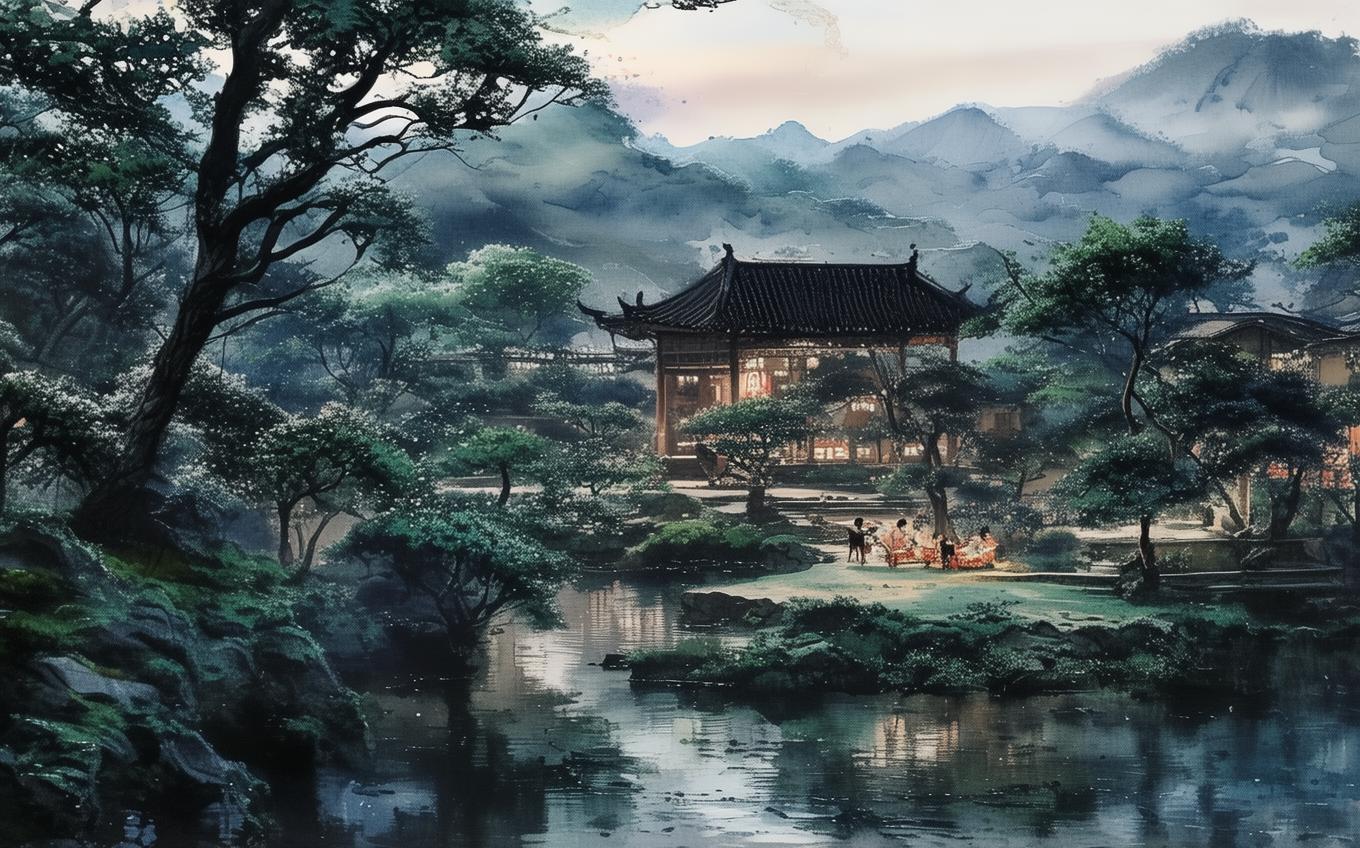
Introduction The poem "早春夜宴" (Zǎo Chūn Yè Yàn, “Early Spring Night Banquet”) is a luminous fivechar…
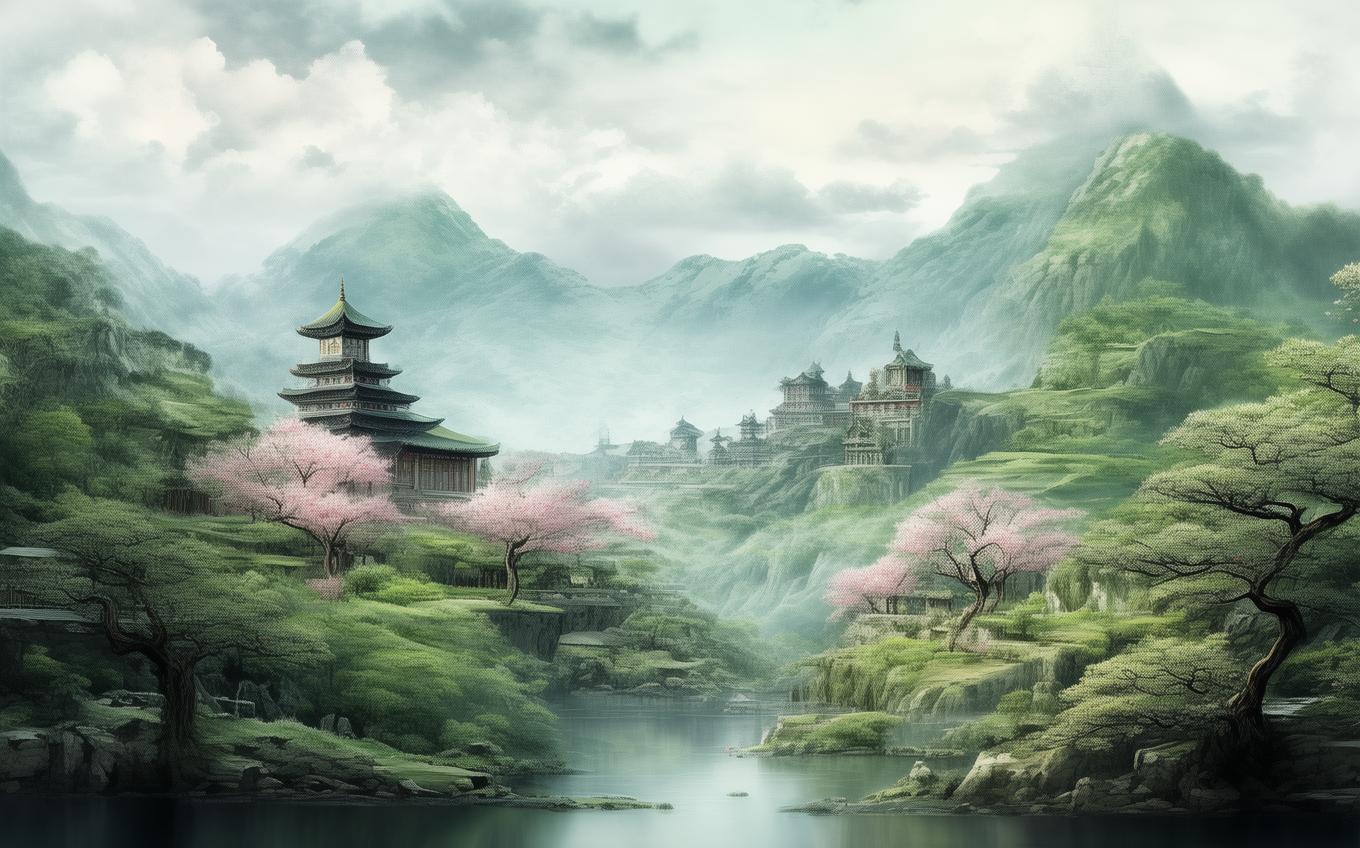
Introduction Wang Ya (王涯, 764–835) was a statesman and poet of the Tang dynasty, a golden age of Ch…
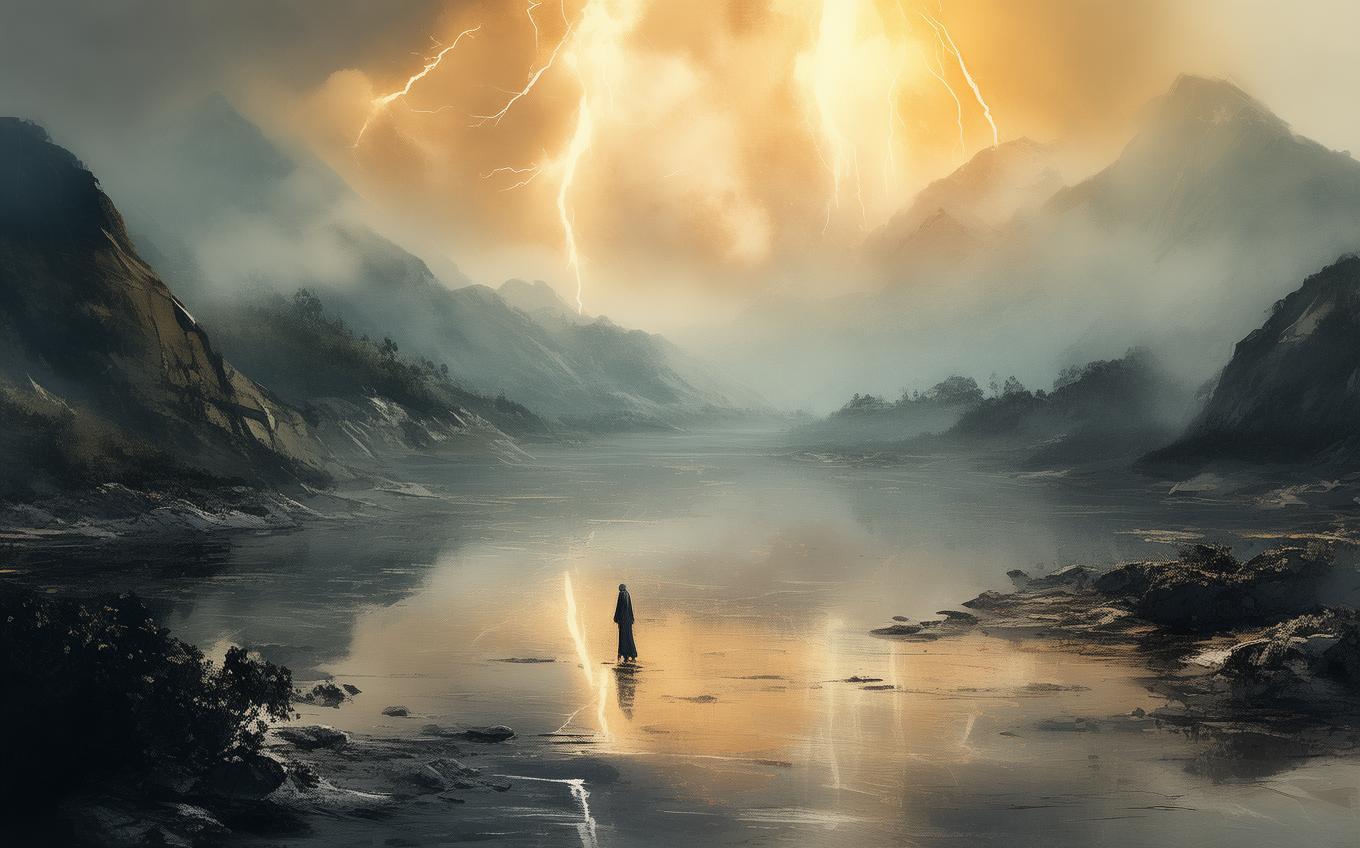
Introduction The phrase 咏雷句 (yǒng léi jù) translates literally to “a phrase singing of thunder.” It…
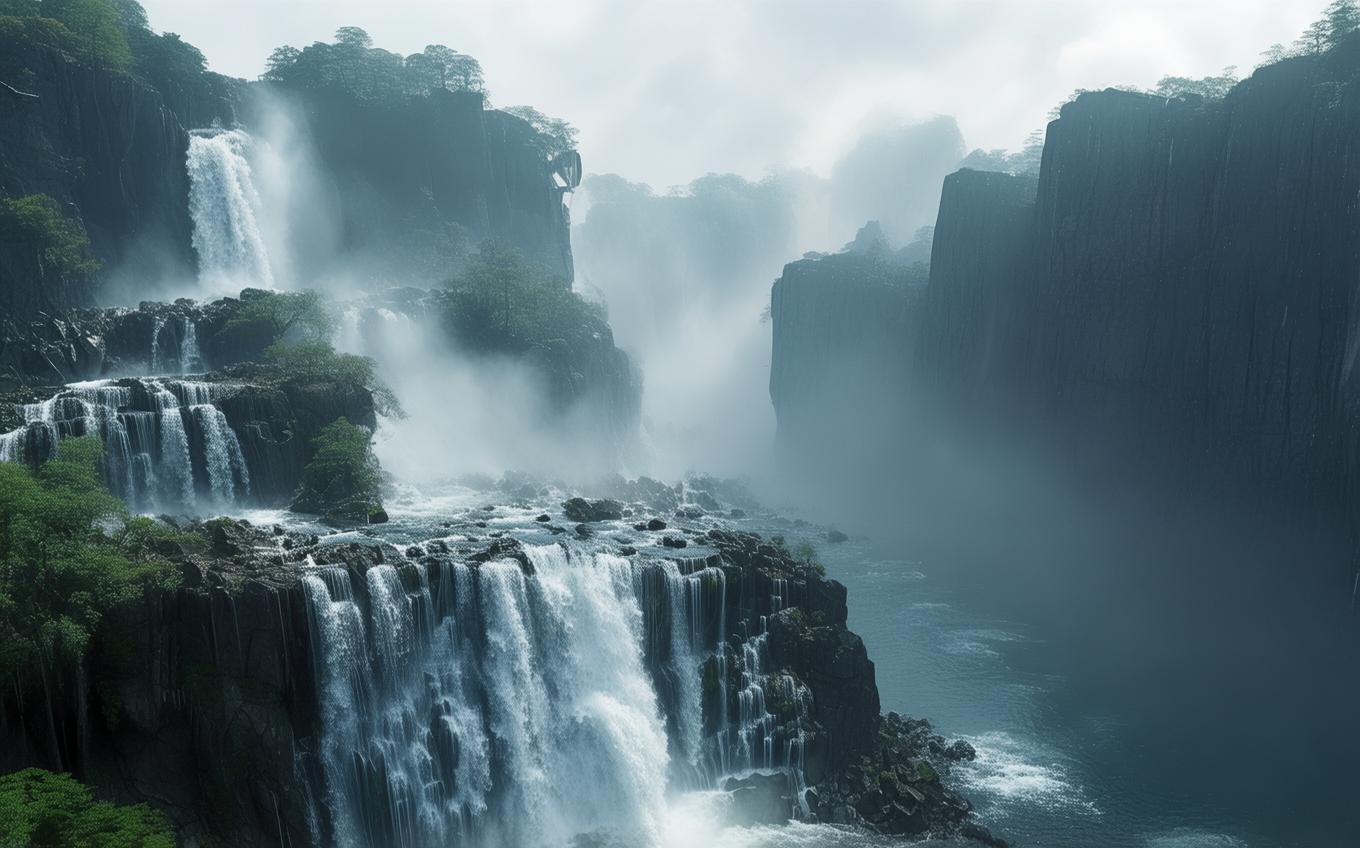
Introduction "瀑布联句" (Pùbù Liánjù), or "A Couplet on the Waterfall," is a unique jewel of Tang dynas…
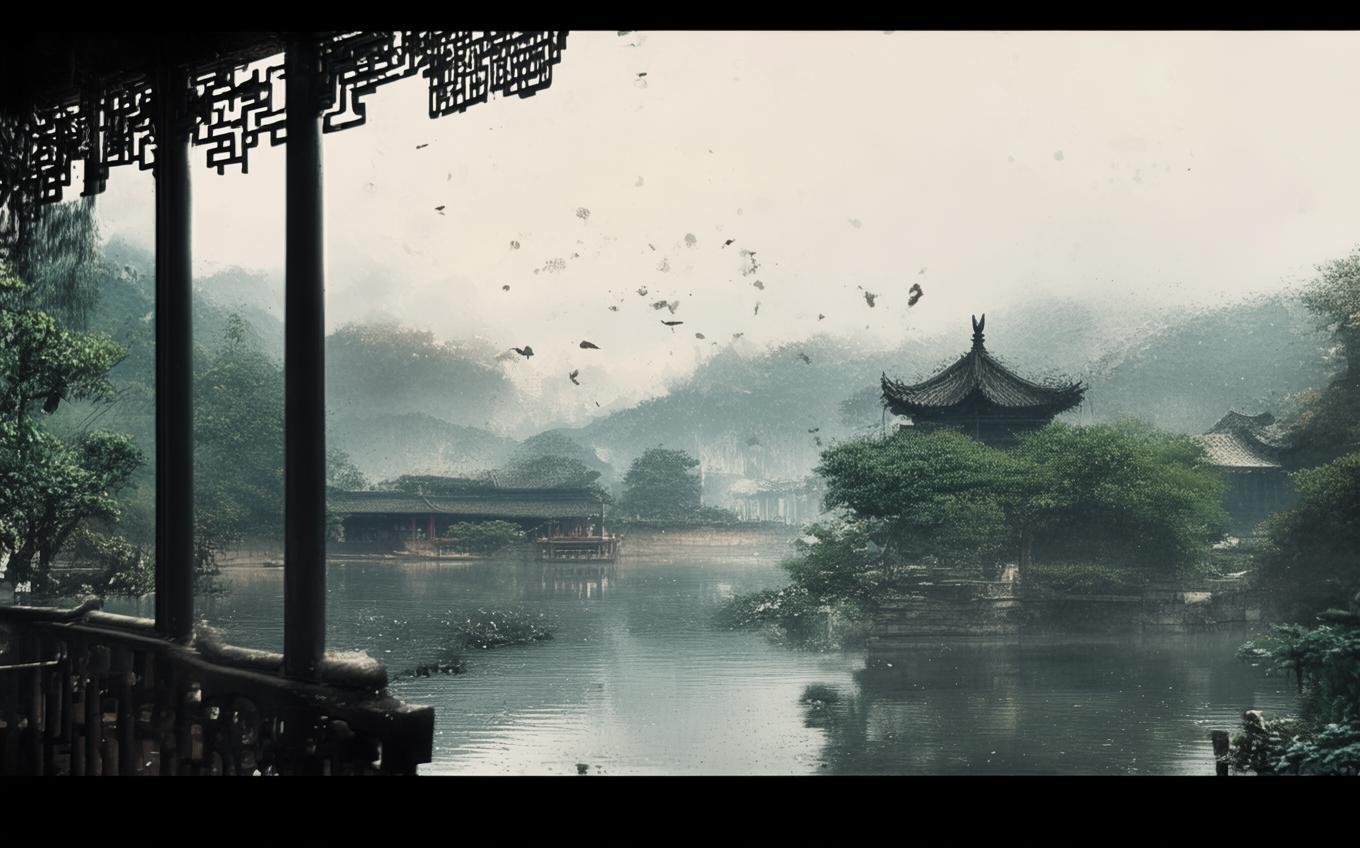
Introduction Perched on the banks of a winding river in Jing County, Anhui, the Water West Temple (…
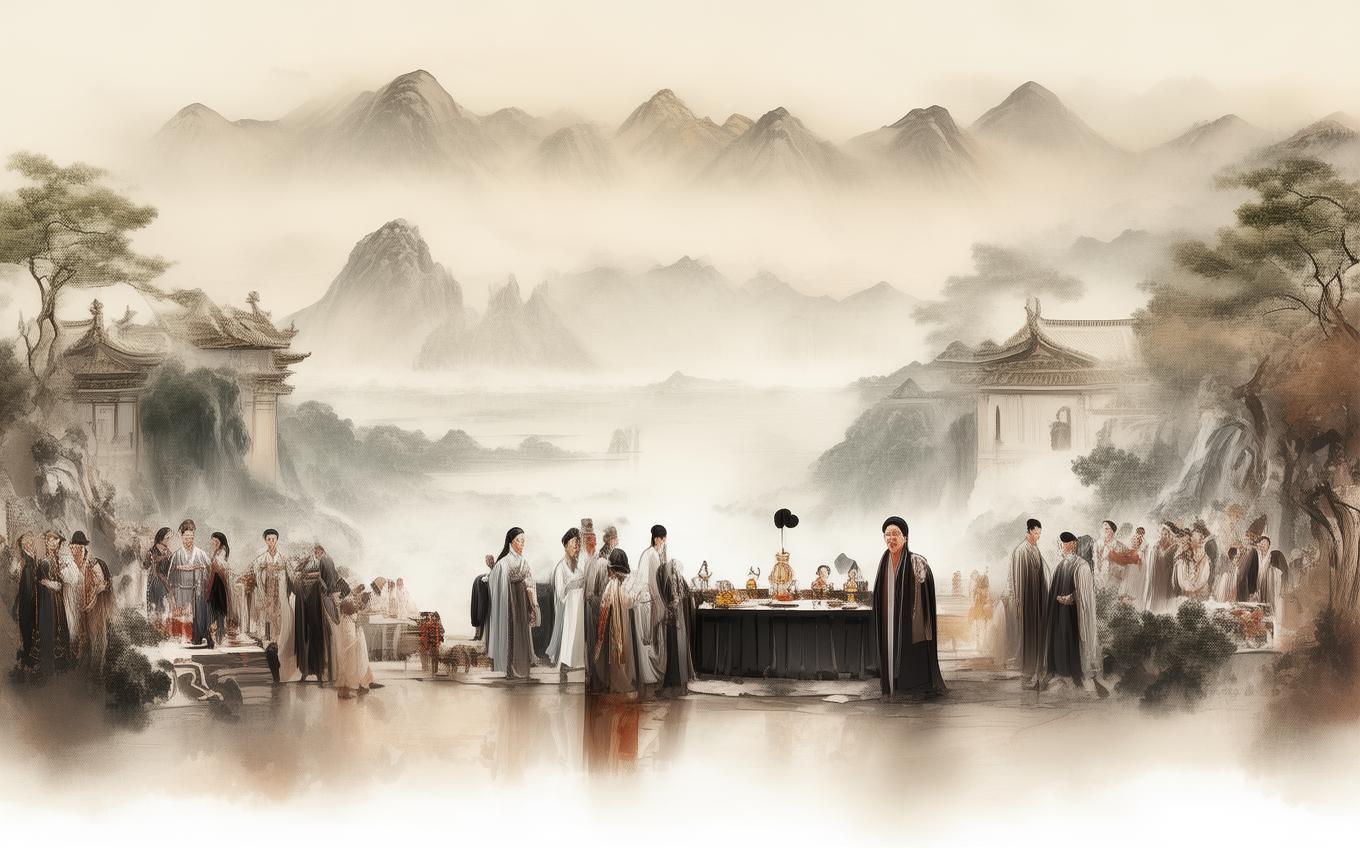
Introduction The Double Ninth Festival, or Chongyang Jie (重阳节), has been an occasion for reflection…
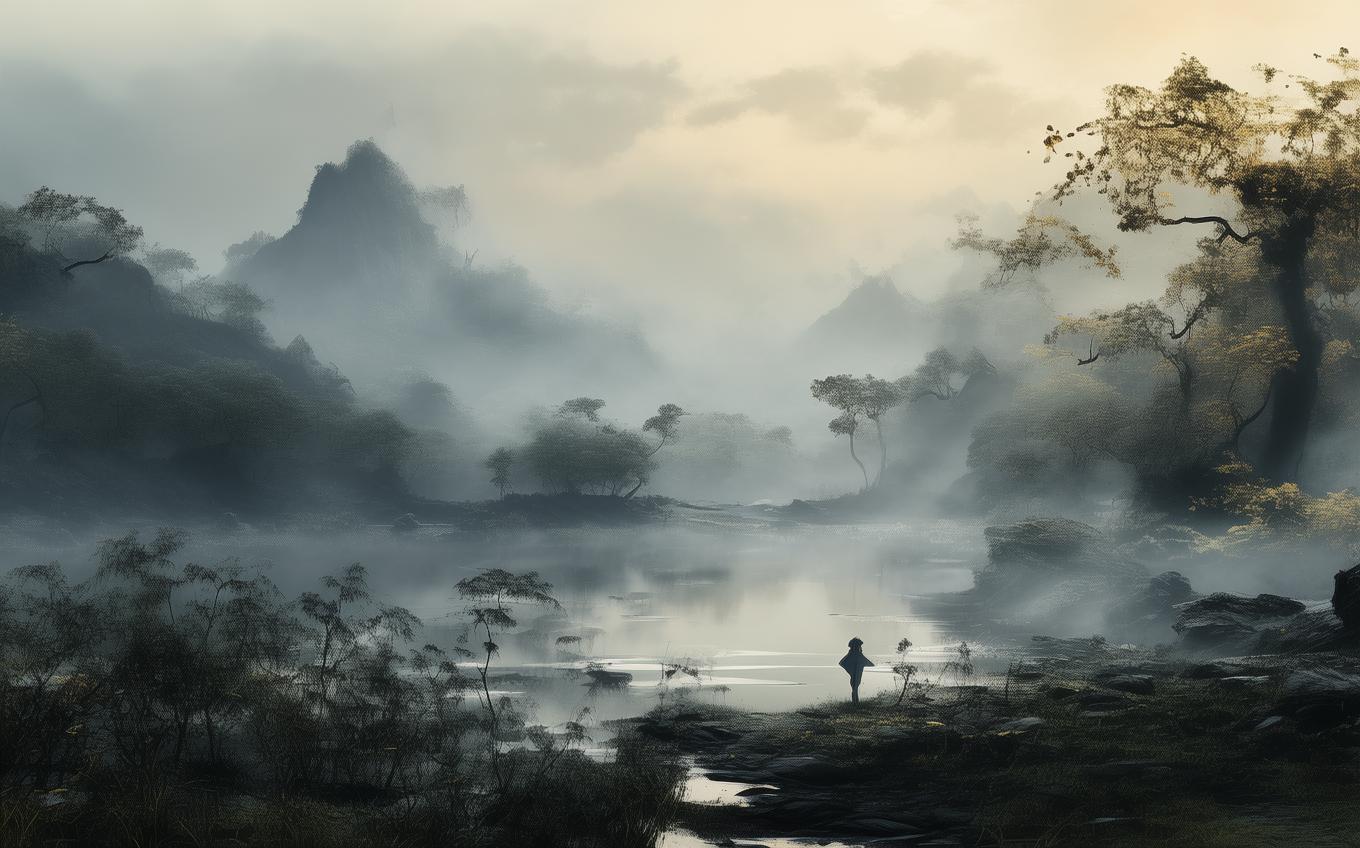
Introduction In the vast tapestry of Chinese literary history, few bonds are as poignant as that be…
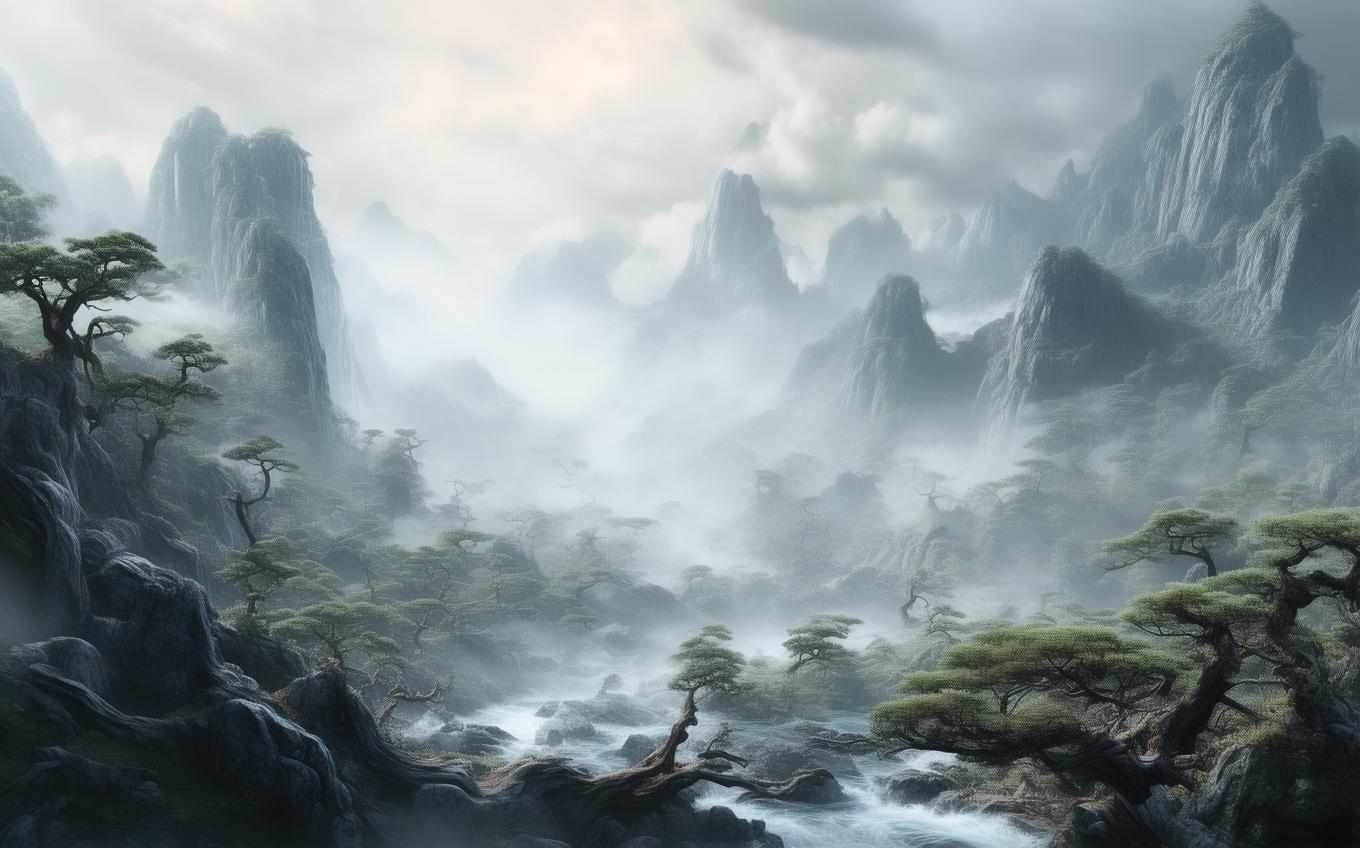
Introduction Zhu Xi (1130–1200) is best known as the great synthesizer of NeoConfucian philosophy, …